Mercedes, Now Seen as a Chinese-Owned Automaker, Could Be Barred From Producing and Selling Cars in the U.S.
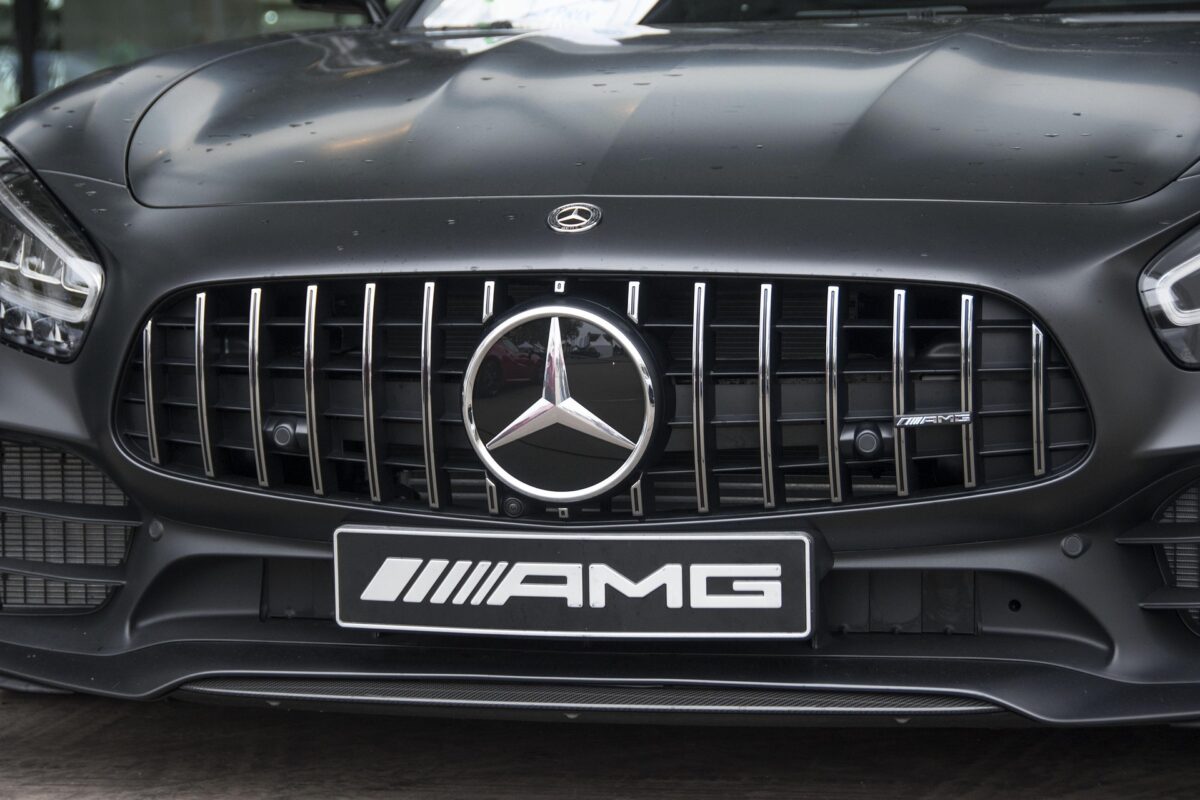
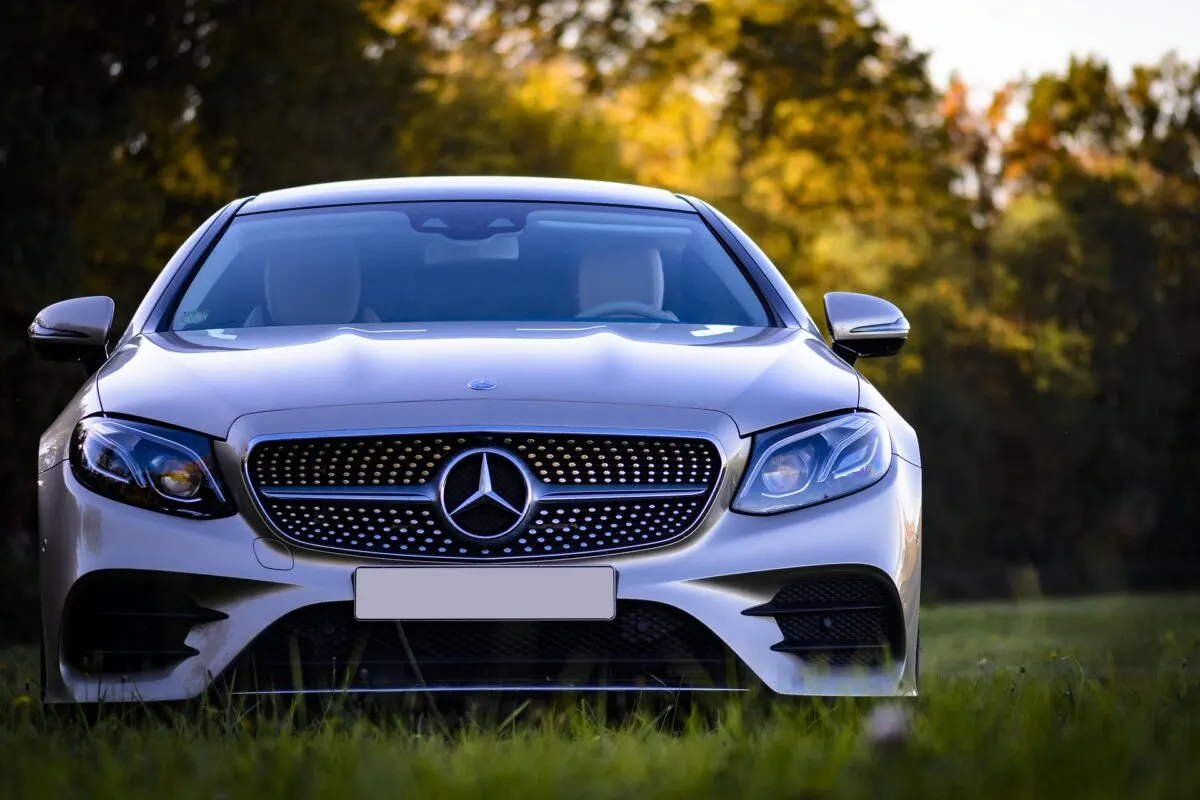
A bill introduced in the U.S. Congress has placed Mercedes-Benz—once regarded as Germany’s flagship luxury brand, but now portrayed here as a Chinese automaker—at risk of being forced out of the U.S. market.
It is hard to believe that such a day has arrived: Mercedes-Benz facing expulsion from the United States, apparently because it is being labeled a Chinese carmaker.
Recently, Rep. Brett Guthrie (R-Ky.), chairman of the House Energy and Commerce Committee, introduced the Motor Vehicle Modernization Act of 2026. The bill would broadly prohibit automakers backed by capital from China and other hostile foreign governments from importing, selling or manufacturing vehicles in the United States.
Anyone who still thinks of Mercedes as purely a German automaker is stuck in the past. China has become a very real force behind the company.
The fire involving a Mercedes electric vehicle in Incheon was, in this view, a textbook example of the kind of business practice often associated with Chinese merchants: replacing the battery with a cheaper alternative while keeping the price unchanged—or even raising it. And without even looking, one can only imagine how many other irregularities may be taking place in Mercedes’ manufacturing processes.
In the end, the once-mighty Mercedes-Benz is falling from grace without a parachute, reduced to an unremarkable Chinese automaker and made a primary target of the latest U.S. policy aimed at removing Chinese-owned car companies. It is facing the greatest humiliation in the company’s history.
China is certainly a major power. It has demonstrated that it can bring even a company as formidable as Mercedes-Benz to its knees almost overnight.
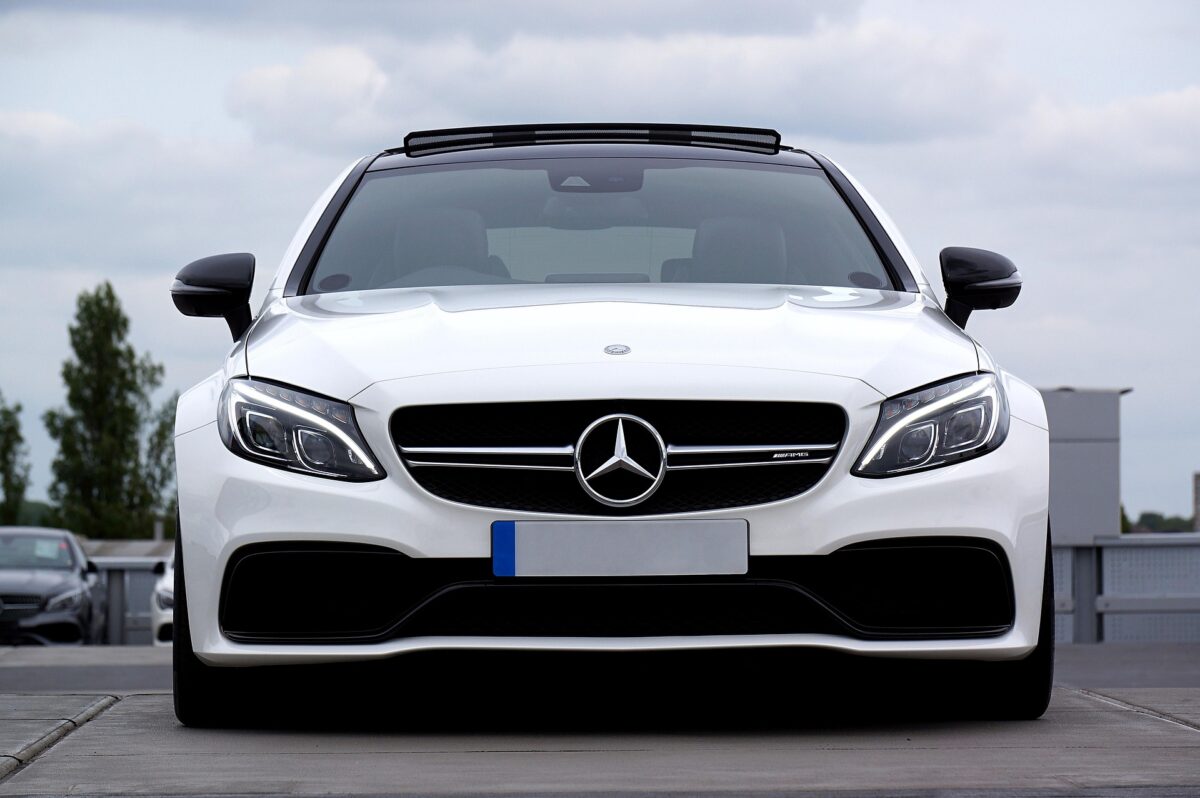
Why Is Mercedes Being Singled Out?
- Key provisions of the bill: Automakers in which the governments of China, Russia, North Korea or other “foreign adversary” states hold direct or indirect ownership stakes—15% or more under one revised version—would be barred from selling or manufacturing vehicles in the United States. Violators would be prohibited from re-entering the market for five years.
- A potentially fatal clause and Mercedes’ ownership structure: The bill includes an exemption for companies with more than five years of local manufacturing experience in the United States. However, that exemption would be removed if a hostile foreign government holds an ownership stake. The largest shareholder in Mercedes-Benz Group is Chinese state-owned automaker BAIC, with a 9.98% stake. The second-largest shareholder is Li Shufu, chairman of Geely, with 9.69%. Together, Chinese-linked capital accounts for 19.67%, exceeding the proposed regulatory threshold.
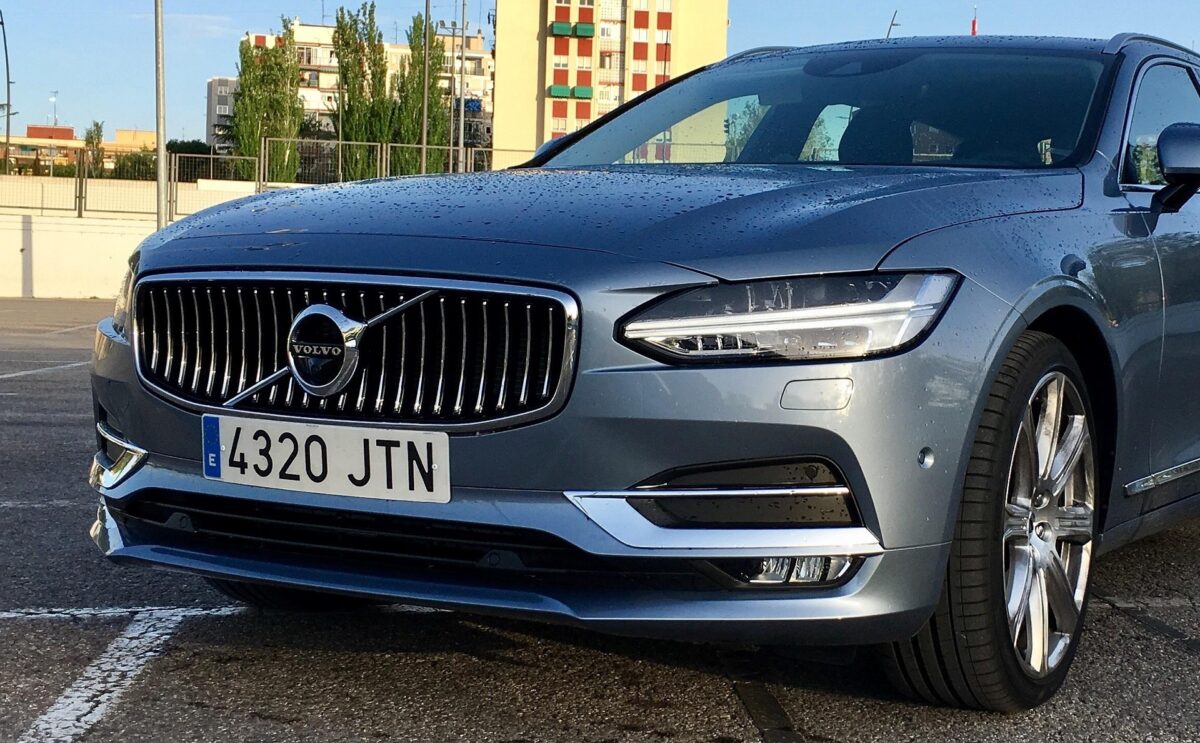
- Volvo reportedly was not included in the latest restrictions because it has a longer history of manufacturing in the United States than Mercedes.
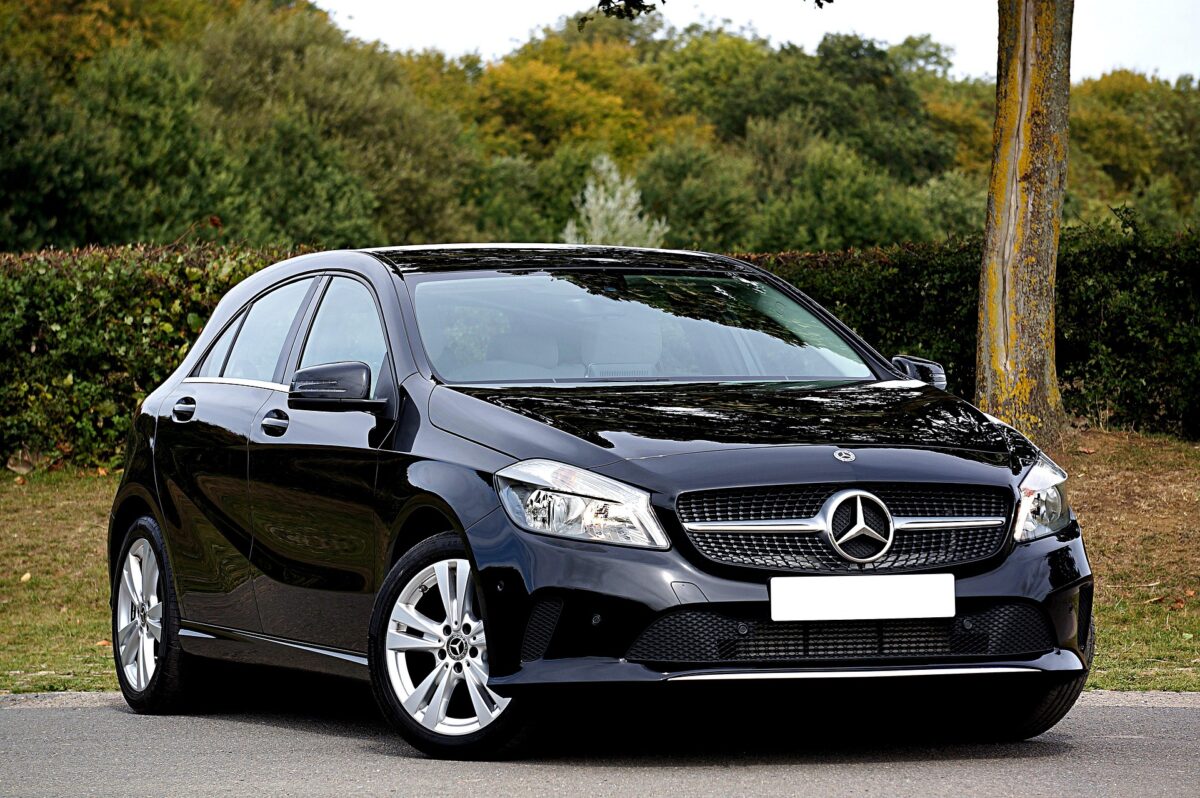
America Remains China’s Natural Counterweight
Across the world, Chinese capital is investing directly and indirectly in companies—not only Mercedes-Benz—in ways that critics say allow it to acquire confidential information and technical data. Those businesses may eventually be absorbed into Chinese companies or pushed out through mergers and other restructuring, a pattern portrayed here as an aggressive campaign to appropriate technology for China’s own industries.
SpaceX’s recent declaration that it would not accept Chinese investment was also reportedly driven by Elon Musk’s awareness of the objectives behind Chinese capital.
China is an especially difficult and troubling business partner, this argument goes. It skillfully exploits the rules of capitalist market economies, ultimately converting them to its own advantage while leaving people around the world to bear the cost. Its apparent definition of fair trade seems to be a system in which it knocks out its rivals and monopolizes the market for itself.
As many people know, Volvo Cars, like Mercedes-Benz, is also considered a Chinese-owned automaker. At this rate, every car in the world could eventually be Chinese-owned. Sweden and Germany are paying the price for what this article describes as the humiliating transfer of their most iconic companies to Chinese interests.
These countries have become objects of ridicule around the world, the article argues. Selling their national pride to what it calls an ill-mannered China is presented as an act that deserves mockery.
Why Is China Seen as a Problem?
China does not follow the rules of free, democratic market economies, according to the article. Instead, it uses those rules to advance its own interests. Rather than pursuing mutual benefit through trade, it is portrayed as an increasingly self-centered state—led by the Communist Party and driven by the belief that China should be the center of the world and draw its wealth inward for its own benefit.
The Communist Party’s strategies and tactics have already demonstrated their effectiveness on numerous fronts. How else, the article asks, could Vietnam have defeated the United States in war?
There is not a single country in the world that regards China as a true friend or ally. In other words, no one likes China.
The article argues that China’s arrogant, self-interested system and its people’s alleged insularity have made the rest of the world uncomfortable and caused harm.
Like a loan shark, China allegedly used the Belt and Road Initiative to entice Sri Lankan politicians into taking on debt, enriching Chinese construction companies in the process. When Sri Lanka ultimately failed to repay the loans, China took control of Hambantota Port for 100 years. This case, the article argues, shows why countries around the world reject China’s allegedly predatory approach.
And this is not the only example. China’s alleged coercion and misconduct continue to create friction around the world and cause hardship for countries everywhere.
Does China really claim that the West Philippine Sea belongs to it? And what about the nine-dash line?
The article characterizes China’s claims as absurd assertions used to intimidate every neighboring country. It suggests that China already believes itself superior to the rest of the world.
Does China also claim that Tibet and Xinjiang belong to it—even while using armed force to suppress and kill people in those regions?
At this rate, the day may not be far off when China claims the entire world as its territory.
Italy initially joined the Belt and Road Initiative but recently decided to withdraw. The decision came late, but it was still the right one, the article says. Had Italy waited any longer, it might have lost Milan to China.
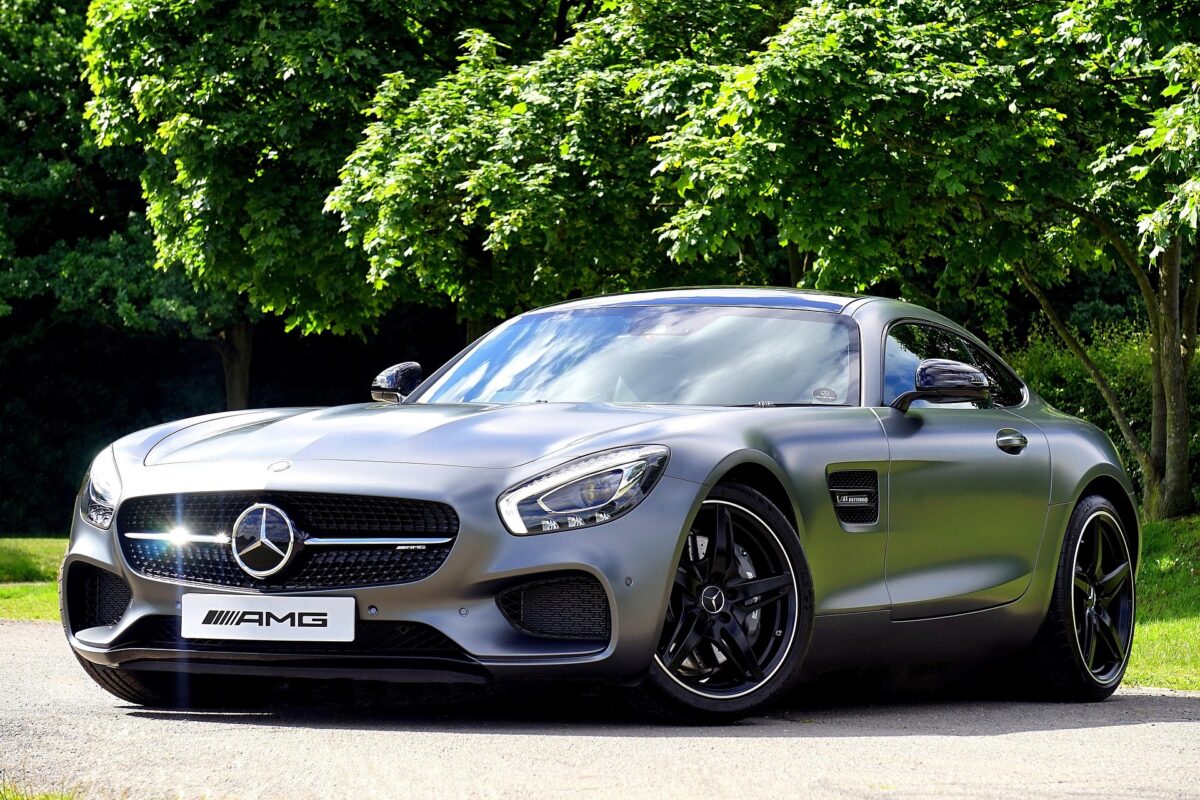
A Shifting Global Automotive Landscape
If the bill passes without amendment, Mercedes-Benz may have to abandon the U.S. market or undertake an extreme restructuring that forces BAIC to sell its stake. The process would trigger major upheaval in America’s premium automotive market, while competing brands such as South Korea’s Genesis could benefit indirectly.
The Challenge for South Korea
The world appears destined for an eventual confrontation between China and the rest of the international community. China, fighting for its survival, is expected to tighten its pressure on smaller countries, and the article predicts that it will one day enter into an actual war with the United States.
South Korea must now decide how to respond. The country currently earns money from China through trade, but China will gradually absorb domestic companies in the same way it has absorbed Mercedes-Benz and Volvo, the article argues. Everyone is aware that Temu and Alibaba have already taken control of parts of South Korea’s online shopping market, it says.
If Hyundai Motor Group is to remain unequivocally Korean, it must reduce and sever Chinese investment, capital and all related ties. As is well known, the article argues, China pursues its ambitions by every means available, including exploiting personal relationships.
South Korea’s industrial sector needs to wake up. It is entirely possible that Chinese capital is already buying shares in Samsung Electronics, the article warns.
If we become blinded by short-term profits and fall into China’s alleged schemes, we will suffer an even greater humiliation than Germany or Sweden, the article concludes.
FAQ
Is Mercedes-Benz really a Chinese automaker?
Mercedes-Benz is a German company, but Chinese capital has gained significant influence over it. Chinese state-owned BAIC and Li Shufu, the founder of Geely, currently hold substantial stakes, giving Chinese capital influence over the company. Legally, however, Mercedes-Benz remains a German company.
What is the Motor Vehicle Modernization Act?
The Motor Vehicle Modernization Act, under discussion in the U.S. Congress in 2026, would restrict market access for automakers in which governments or affiliated capital from countries designated by the United States as adversaries—including China, Russia and North Korea—hold ownership stakes above a specified threshold.
Could Mercedes-Benz be forced out of the U.S. market?
If the bill passes in its original form, Mercedes-Benz could become subject to restrictions in the U.S. market, according to current assessments. However, the bill’s passage and the final criteria for applying it have not been determined, and the legislation could still be amended.
Why is Volvo classified as a Chinese automaker?
Volvo Cars is currently owned by China’s Geely Group. Although the brand has Swedish roots and is headquartered in Sweden, it is often classified as a Chinese automotive company based on its ownership structure.
Could U.S. restrictions on Chinese capital benefit Hyundai and Genesis?
If the United States tightens restrictions on Chinese capital, Hyundai and Genesis could gain a relative competitive advantage in the American market. In particular, they could benefit indirectly if Chinese-linked automakers face limits on their operations.