Walk in the Footsteps of a Thousand Years: A Guide to Four Nearby Attractions to Visit After Hasedera Temple (長谷寺)
If you have savored the profusion of flowers and the temple’s atmospheric stone-step corridors at Hasedera Temple (長谷寺), tucked deep in the mountains of Sakurai, Nara Prefecture, its tranquil, timeworn atmosphere has likely left a gentle afterglow. Yet the area around Hasedera is also the birthplace of the ‘Yamato polity,’ the setting for some of Japan’s earliest history and mythology. The moment you leave the temple grounds, another journey into the past begins.
For travelers who would rather not end their trip after seeing Hasedera alone, here are four captivating nearby attractions that offer both quiet charm and a deep sense of history. These hidden gems are easy to reach by train from Hasedera Station or by a short drive.
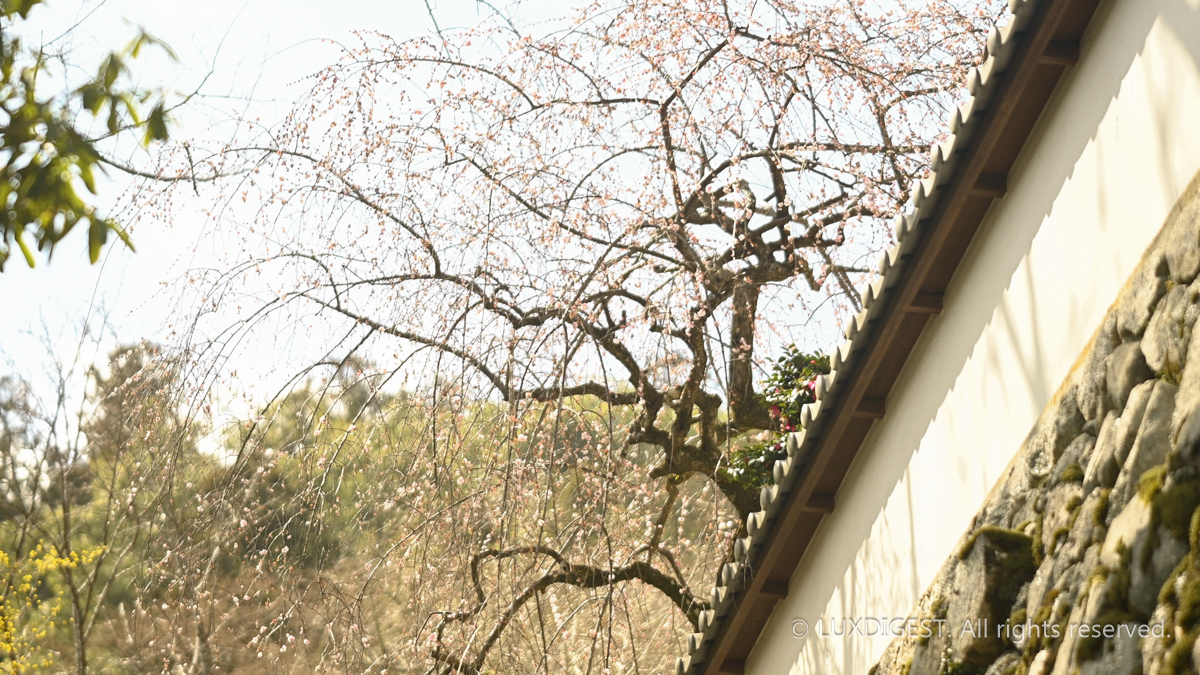
1. Japan’s Oldest Shrine, Embraced by a Sacred Mountain: Omiwa Shrine (大神神社)
A short journey on the nearby Kintetsu and JR lines from Hasedera brings you to Omiwa Shrine (大神神社), one of Japan’s oldest and most spiritually revered shrines. Unlike most Shinto shrines, which house their deity in a separate main sanctuary, Omiwa Shrine considers Mount Miwa (三輪山) itself to be the deity’s sacred body. The site preserves a distinctive form of ancient nature worship.
+-------------------------------------------------------------------------+


| 📌 Omiwa Shrine: KEY POINTS TO KNOW                                     |
| - Getting there: Hasedera Station -> Sakurai Station (transfer) ->      |
|   JR Miwa Station (5-minute walk)                                       |
| - Don’t miss: The enormous torii gate and a walk through the dense       |
|   cedar forest                                                          |
+-------------------------------------------------------------------------+
- An imposing giant torii: As you approach the shrine, a colossal torii gate rises 32.2 meters above the open plain, making an immediate impression. Even viewed from a train window, this landmark seems to radiate a powerful spiritual presence.
- A mystical cedar-lined approach: The path from the parking area to the main sanctuary is densely shaded by enormous, centuries-old cedars. Walking beneath their canopy, where the air remains cool even at midday, is enough to clear a cluttered mind and reveal what true rest and renewal feel like. Mount Miwa is also famous as the home of the deity of sake brewing, made with the mountain’s pure water and rice. Sake enthusiasts will enjoy browsing the long-established shops around the shrine.
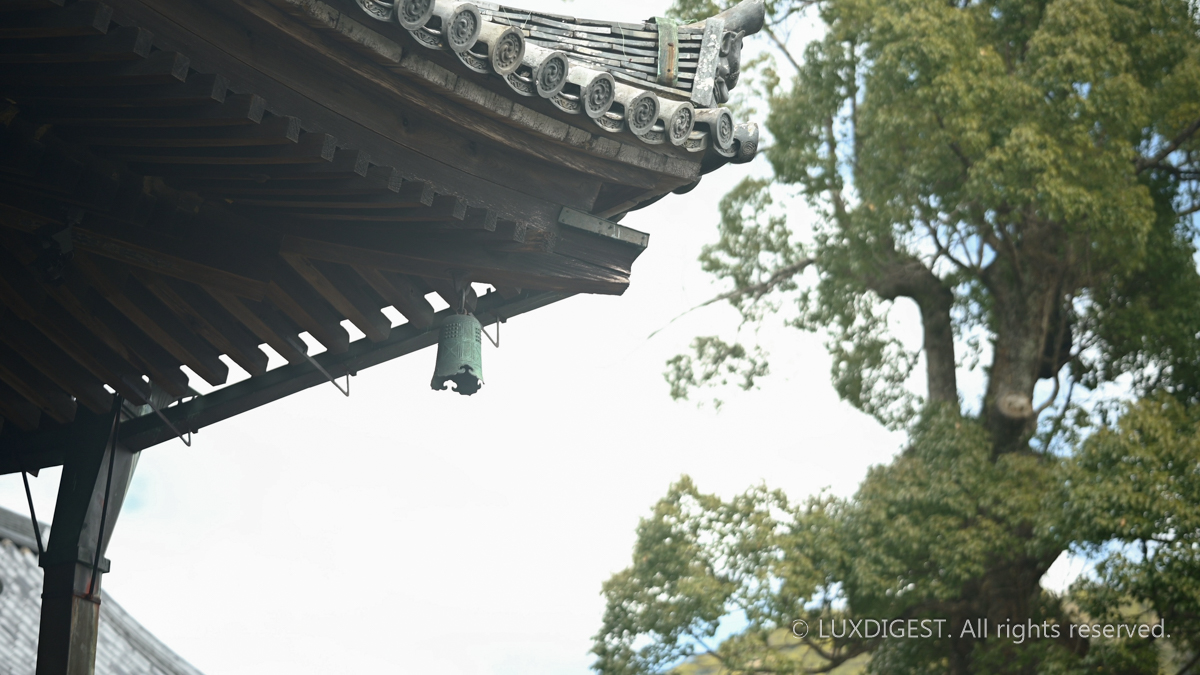
2. A Shrine Ablaze with Autumn Color: Tanzan Shrine (談山神社)
If Hasedera is celebrated for its spring peonies, Tanzan Shrine (談山神社), in the mountains south of Sakurai, is one of the finest autumn foliage destinations in all of Kansai. The shrine takes its name from ‘Tanzan,’ or ‘Mount of Discussion,’ where the men who led the Taika Reform, a sweeping seventh-century transformation of Japan, are said to have held secret talks.
+-------------------------------------------------------------------------+


| 📌 Tanzan Shrine: KEY POINTS TO KNOW                                    |
| - Getting there: About 25 minutes by community bus from the south       |
|   exit of Sakurai Station                                               |
| - Best season: Mid-November to early December, when the entire mountain  |
|   is cloaked in autumn color                                            |
+-------------------------------------------------------------------------+
- The world’s only wooden thirteen-story pagoda: The shrine’s signature landmark is the wooden thirteen-story pagoda (十三重塔), standing against blue skies and crimson foliage. It is the only surviving wooden pagoda in the world with thirteen tiers, and the tightly layered roofs create a work of architectural art in their own right.
- Step into a sea of autumn leaves: In fall, more than 3,000 maple trees across the shrine grounds turn a vivid, blazing red. It is an ideal place to sit in an old wooden corridor, watch the leaves drift down and lose yourself in thought. The experience offers a flamboyant yet secluded autumn beauty quite different from Hasedera’s elegance.
3. A Mysterious Land of Ancient Murals: Asuka Village (明日香村)
Neighboring Sakurai, Asuka Village was the capital during the ancient Asuka period, from the sixth to seventh centuries, when the foundations of Japan were taking shape. The entire village is often described as a vast open-air museum, with mysterious burial mounds and megalithic remains scattered among fields and rice paddies.
+-------------------------------------------------------------------------+


| 📌 Asuka Village: KEY POINTS TO KNOW                                    |
| - Getting there: Get off at Kintetsu Asuka Station (飛鳥駅)              |
| - Recommended way to explore: Rent a bicycle—ideally an electric one—    |
|   near the station and cycle along the country roads                     |
+-------------------------------------------------------------------------+
- Ishibutai Tumulus: Built from enormous stones carefully stacked into place, this tomb offers the unusual opportunity to walk inside its massive stone chamber. Simply imagining how people in antiquity moved such immense blocks is awe-inspiring.
- Takamatsuzuka Tumulus and Asukadera Temple: Takamatsuzuka is where the famous ancient murals depicting beautifully dressed women were discovered. The area is also home to Asukadera, Japan’s first full-scale Buddhist temple, built under the influence of Baekje in Korea. Cycling slowly through the peaceful countryside from one historic site to the next brings a profound sense of calm to travelers worn down by busy modern life.
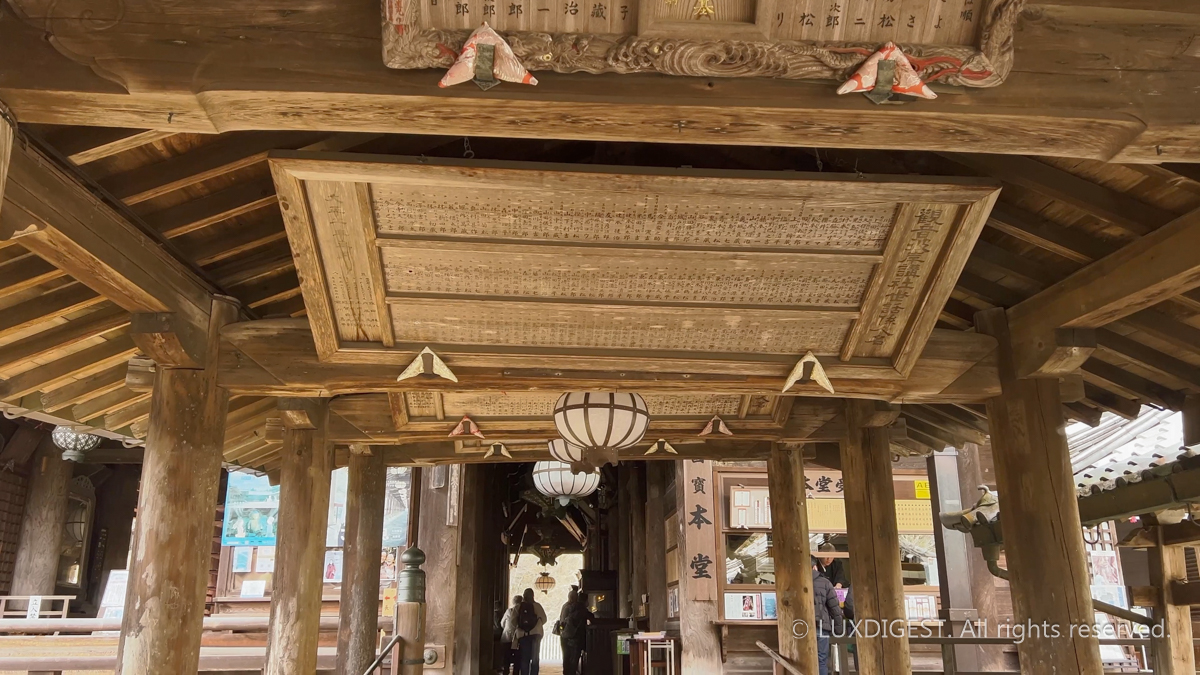
4. A Floral Paradise in the Spirit of Hasedera: Abe Monju-in (安倍文殊院)
Located in central Sakurai, Abe Monju-in (安倍文殊院) is a historic temple founded in 645 and dedicated to Monju Bosatsu, the bodhisattva of wisdom. Throughout the year, Japanese students and their families visit to pray for success in examinations.
+-------------------------------------------------------------------------+


| 📌 Abe Monju-in: KEY POINTS TO KNOW                                     |
| - Getting there: About a 20-minute walk from Sakurai Station, or by     |
|   taxi or bus                                                            |
| - Highlights: The Golden Pavilion floating on the pond and seasonal      |
|   flower gardens                                                         |
+-------------------------------------------------------------------------+
- A golden hall floating on the water: The small golden hexagonal hall, set in the middle of a broad pond, creates a scene like a traditional East Asian painting alongside green willows and gently rippling water. The best way to take it in is with a leisurely walk around the pond.
- Flowers in every season: Like Hasedera, Abe Monju-in is renowned for its flowers and could easily be considered its sister temple. In autumn, cosmos flowers are planted across the expansive grounds to create a vast maze for visitors to enjoy. The cherry blossoms and azaleas of spring are equally beautiful.
🥢 A Culinary Tip to Complete the Journey: Miwa Somen (三輪素麺)
No trip around Hasedera and Omiwa Shrine is complete without trying Miwa somen (三輪素麺). The area is considered the birthplace of Japanese somen noodles, traditionally made by stretching dough into fine, springy strands using pure groundwater from Mount Miwa and carefully selected wheat flour.
In summer, beat the heat with nagashi somen, dipping the noodles into chilled broth with ice floating in it. In autumn and winter, warm up with nyumen (にゅうめん), served in hot broth with mushrooms and vegetables. Add a satisfying meal to the itinerary, and a day in Nara Prefecture becomes a perfect memory for all five senses.