Analysis of the K21 Infantry Fighting Vehicle
Overview
The K21 Infantry Fighting Vehicle (IFV) is a next-generation tracked combat platform independently developed by the Republic of Korea. Designed to succeed the K200 armored personnel carrier, it brings enhanced mobility and firepower to modern battlefield operations. The platform is configured to execute a diverse array of combat missions suited to contemporary warfare.
- Key Features
- Powerful Armament: 40mm autocannon paired with a 7.62mm coaxial machine gun
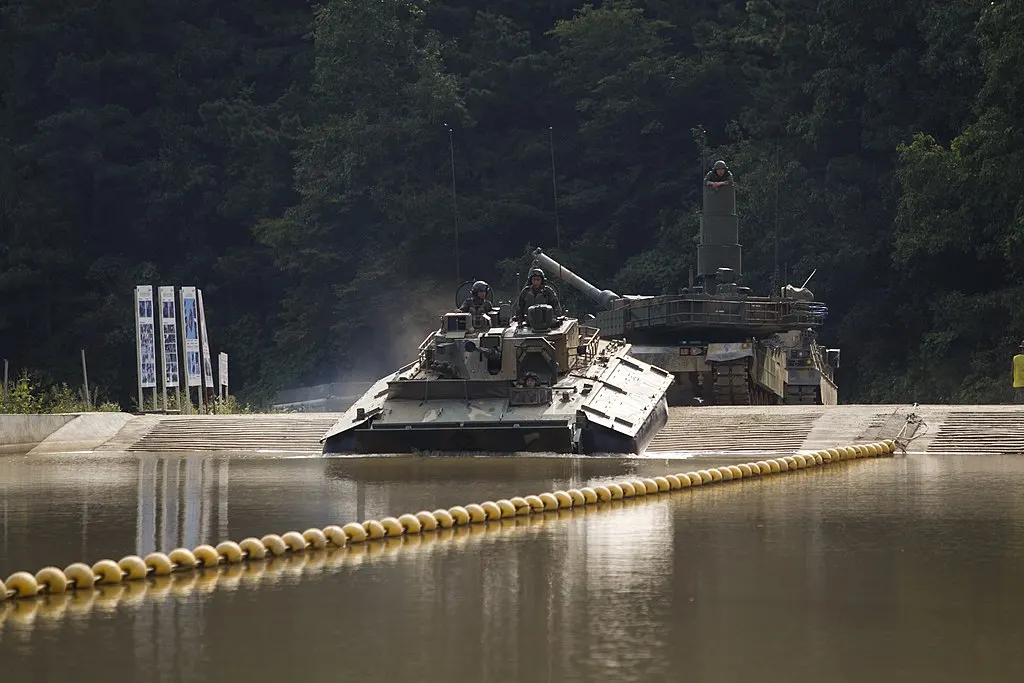
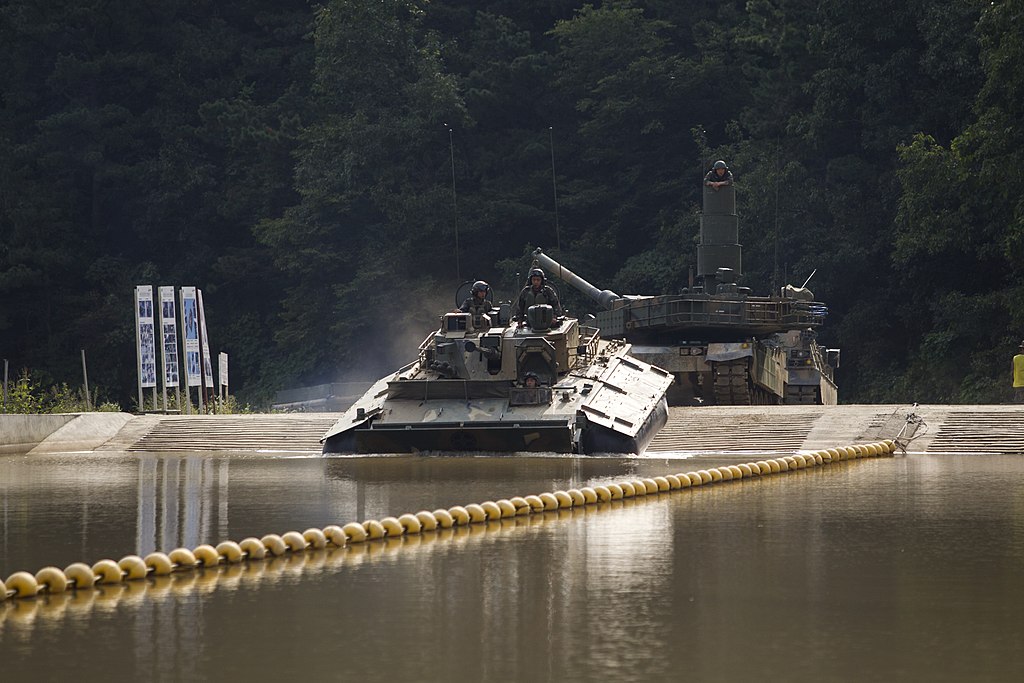
- Excellent Mobility: Amphibious capability with a maximum speed of 70 km/h
- Robust Protection: Composite armor with anti-tank missile defense capability
- Advanced Combat Systems: Integrated digital battlefield management system (BMS)
Development Background
The Republic of Korea identified limitations in the existing K200 armored personnel carrier—particularly its insufficient firepower and protection levels for true IFV operations. To enhance infantry support capabilities and armored unit effectiveness in modern combat scenarios, the decision was made to develop a new next-generation infantry fighting vehicle.
- Development Timeline
- 1999: K21 development program initiated
- 2003: Prototype vehicles completed
- 2009: Production begins
- 2010: Fielded by the ROK Army
- 2020s: Performance enhancements underway (K21A1 variant) and export initiatives launched
Strengths and Weaknesses
🔹 Strengths
✔ Formidable Firepower: 40mm autocannon with operational capability for anti-tank missiles ✔ Superior Mobility: Amphibious operation and cross-terrain capability ✔ Enhanced Protection: Composite armor with potential for active protection systems ✔ Cutting-Edge Battle Management: Digital BMS integration ✔ Relatively Light Weight: At 25 tons, it offers ease of transport and deployment
🔻 Weaknesses
❌ Limited Combat Experience: No extensive real-world operational history ❌ Protection Limitations: Defensive capability trails main battle tanks ❌ Anti-Tank Missile Integration: Integration initiated only with the K21A1 variant
: Republic of Korea Armed Forces / CC BY-SA 2.0 / Wikimedia Commons[/caption]
Regional Comparison: IFVs of East Asia (China, Japan, North Korea)
| Specification | K21 (South Korea) | ZBD-04A (China) | Type 89 IFV (Japan) | North Korean New APC |
|---|---|---|---|---|
| Weight | 25 tons | 27 tons | 26 tons | 20–25 tons (est.) |
| Dimensions (width × length × height) | 3.4m × 6.9m × 2.6m | 3.2m × 7.2m × 2.5m | 3.3m × 7.0m × 2.4m | 3.1m × 6.8m × 2.3m (est.) |
| Maximum Speed | 70 km/h | 65 km/h | 60 km/h | 55 km/h (est.) |
| Armament | 40mm autocannon + 7.62mm machine gun | 100mm main gun + 30mm autocannon | 35mm autocannon + 7.62mm machine gun | 30mm autocannon + 14.5mm machine gun |
| Armor | Composite | Composite + ERA | Steel | Steel (est.) |
| Engine Output | 750 hp | 730 hp | 600 hp | 500–700 hp (est.) |
| Competitive Advantage | Potent firepower, amphibious capability | Large-caliber main gun, firepower superiority | High reliability, rapid deployment | Optimized for North Korean operations, numerical advantage |
Global Comparison: IFVs of Leading Armies (United States, United Kingdom, Russia, France)
| Specification | K21 (South Korea) | M2A4 Bradley (USA) | Warrior IFV (UK) | BMP-3 (Russia) | VBCI (France) |
|---|---|---|---|---|---|
| Weight | 25 tons | 30 tons | 25 tons | 18–22 tons | 32 tons |
| Dimensions (width × length × height) | 3.4m × 6.9m × 2.6m | 3.2m × 6.6m × 2.9m | 3.3m × 6.5m × 2.8m | 3.2m × 6.7m × 2.4m | 3.1m × 7.6m × 2.8m |
| Maximum Speed | 70 km/h | 66 km/h | 75 km/h | 70 km/h | 100 km/h |
| Armament | 40mm autocannon + 7.62mm machine gun | 25mm chain gun + TOW missiles | 30mm autocannon | 100mm main gun + 30mm autocannon | 25mm autocannon + missiles |
| Armor | Composite | Composite + ERA | Composite | Steel + ERA | Composite |
| Engine Output | 750 hp | 600 hp | 550 hp | 500 hp | 600 hp |
| Competitive Advantage | Powerful armament, amphibious capability | Proven reliability, robust protection | Superior mobility, numerous variants | Light weight, large-caliber firepower | Exceptional mobility, wheeled platform |
Future Development Roadmap
- K21A1 Enhancement Program: Integration of anti-tank missiles and upgraded protection
- K21A2 Under Development: Potential incorporation of active protection systems
- Export Market Expansion: Targeting Middle Eastern and Eastern European markets
- Network-Centric Capabilities: Advanced electronic warfare and situational awareness systems