Seopjikoji at Sunset: Jeju’s Most Joyful Must-Visit Course, No Editing Required
Hello, this is Lux.
There are so many wonderful places in the world: fun places, awe-inspiring places and fascinating places, each with their own appeal. But for me, the most memorable are the places that move you.
Perhaps it is because I am a photographer, but I love the way certain landscapes become even more dramatic in photographs. Emotionally resonant places also leave a longer-lasting impression after a trip.
A visit to Seopjikoji is widely considered one of the essential stops on any trip to Jeju.
Let’s get started. ^^
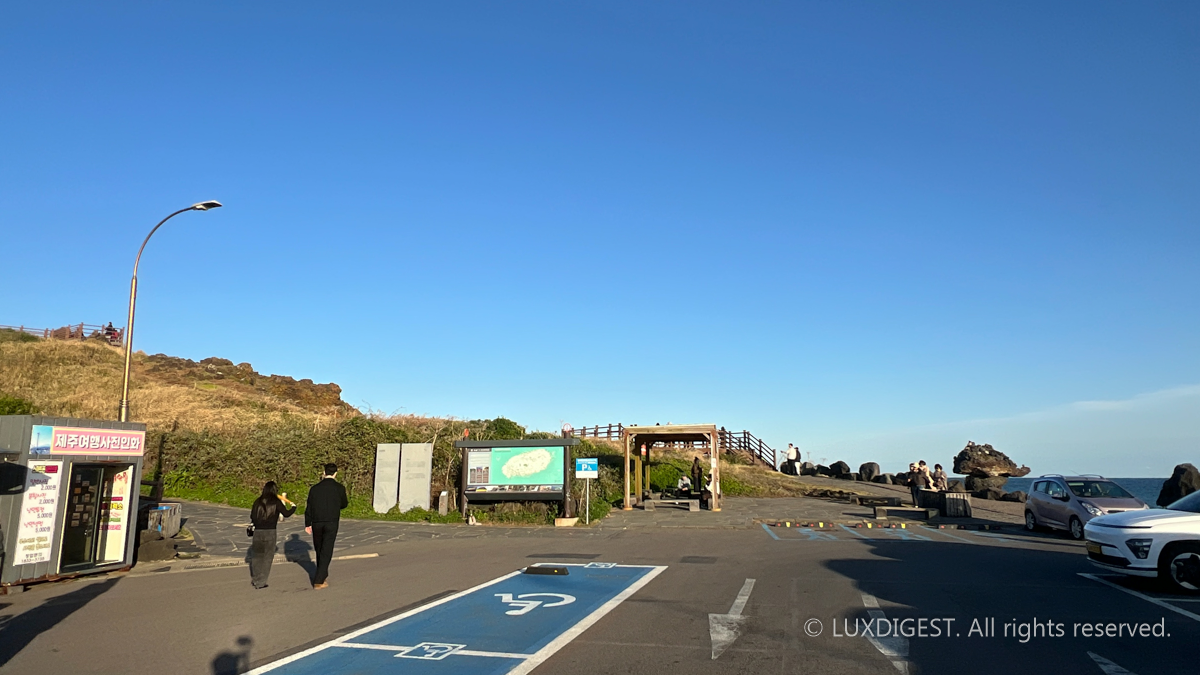
Seopjikoji Parking Information
Parking tip: Seopjikoji Public Parking is inexpensive, but it can be extremely busy during peak season. Another option is to park near Aqua Planet Jeju and enter via the walking trail.
Because Seopjikoji is such a popular destination, traffic and parking can be crowded. In my view, the best time to visit is around sunset.
You’ll understand why as you take a closer look at the photographs.
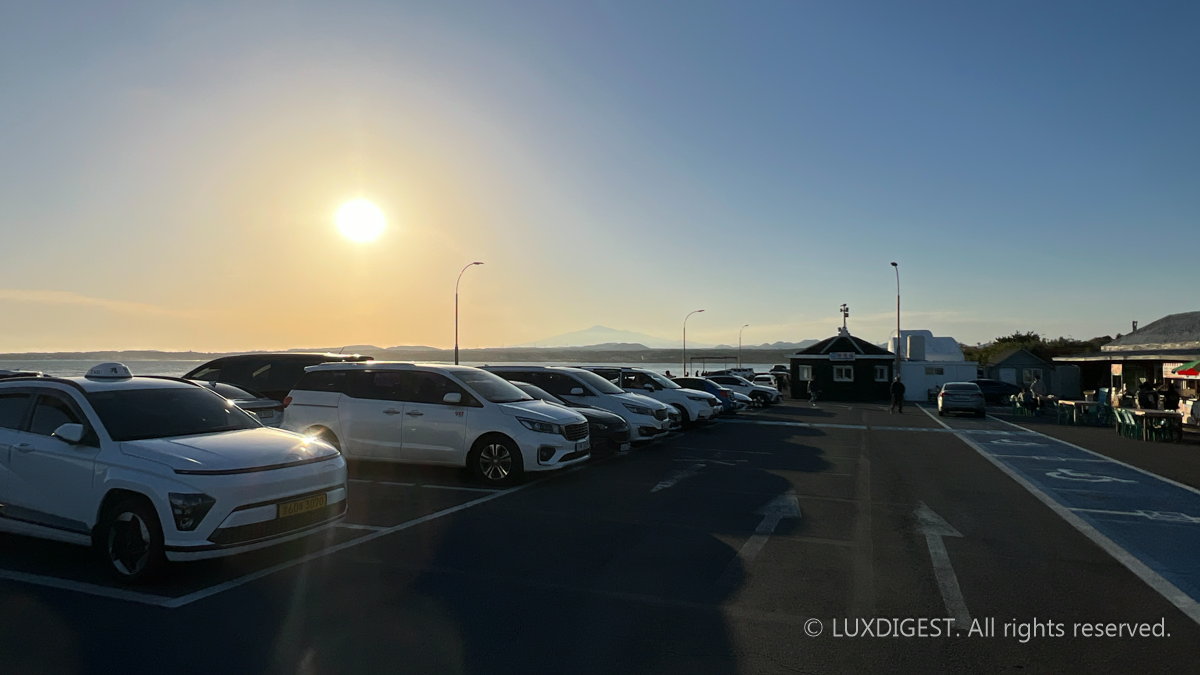
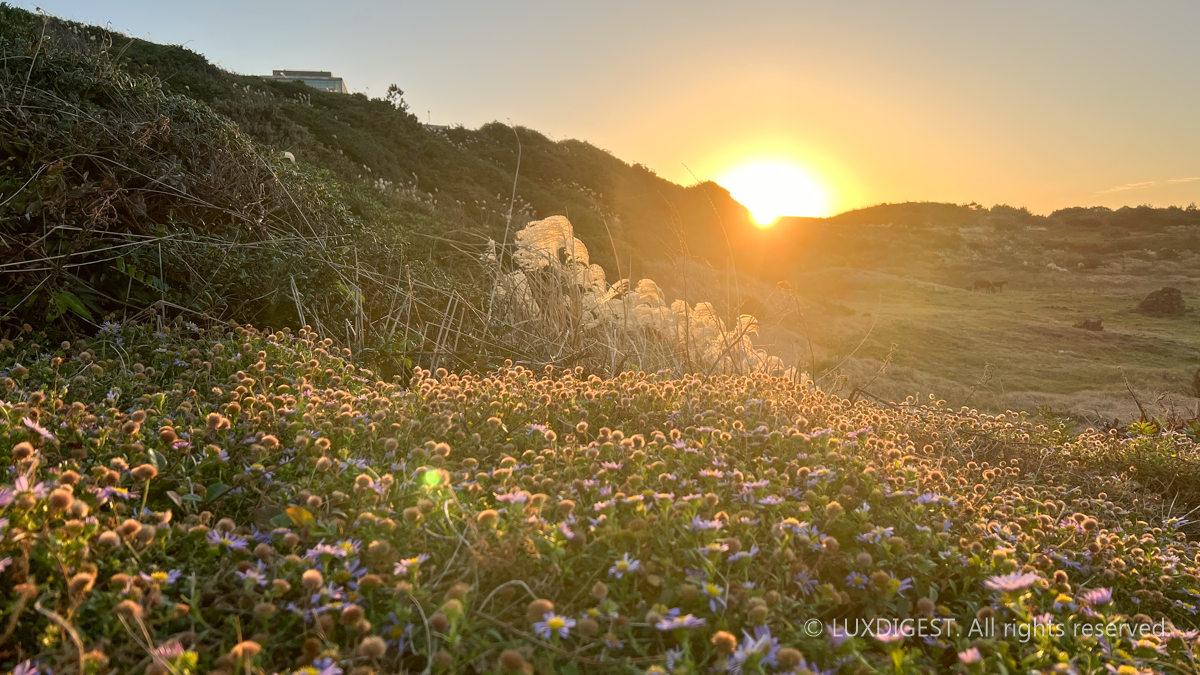
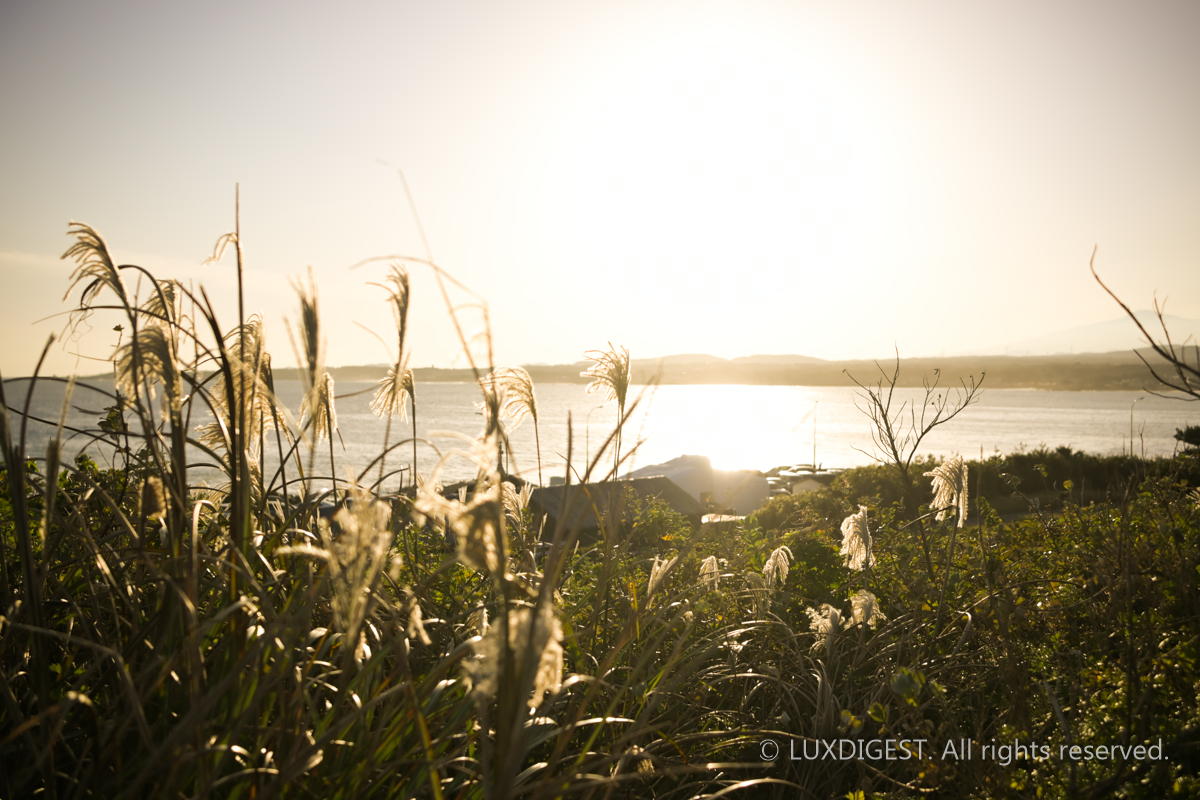
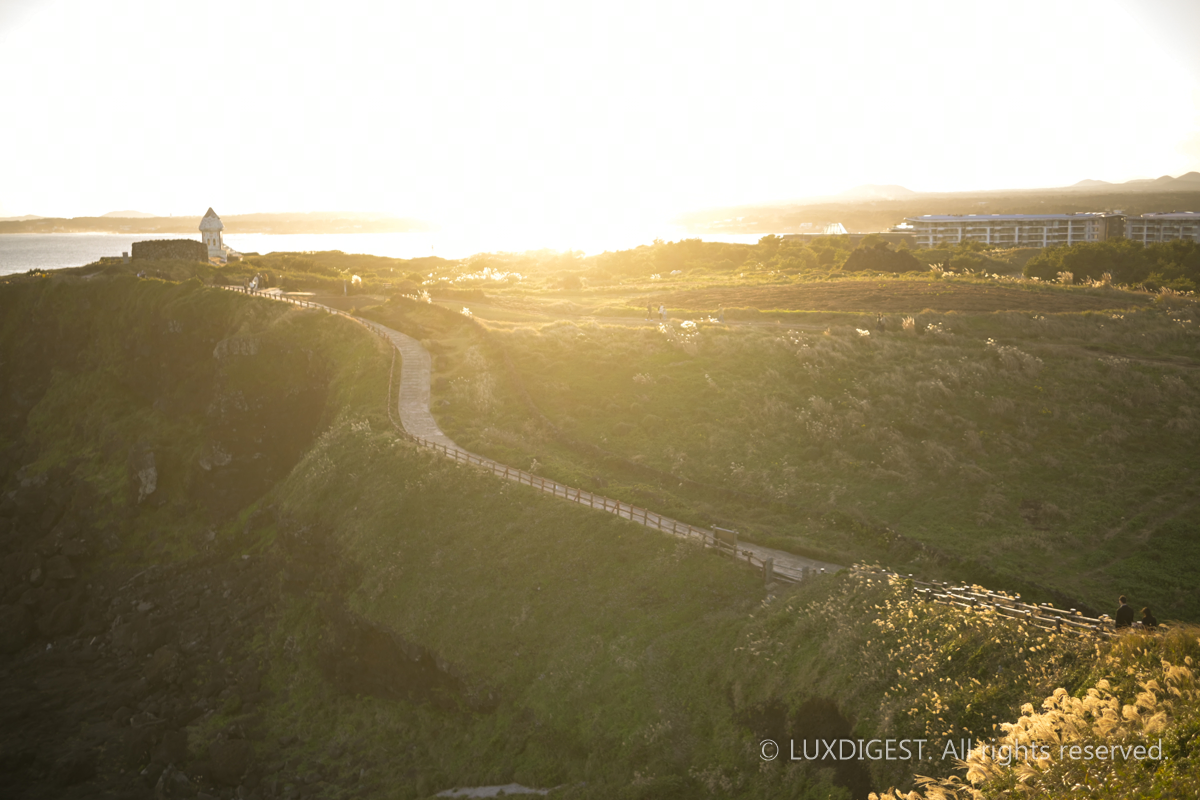
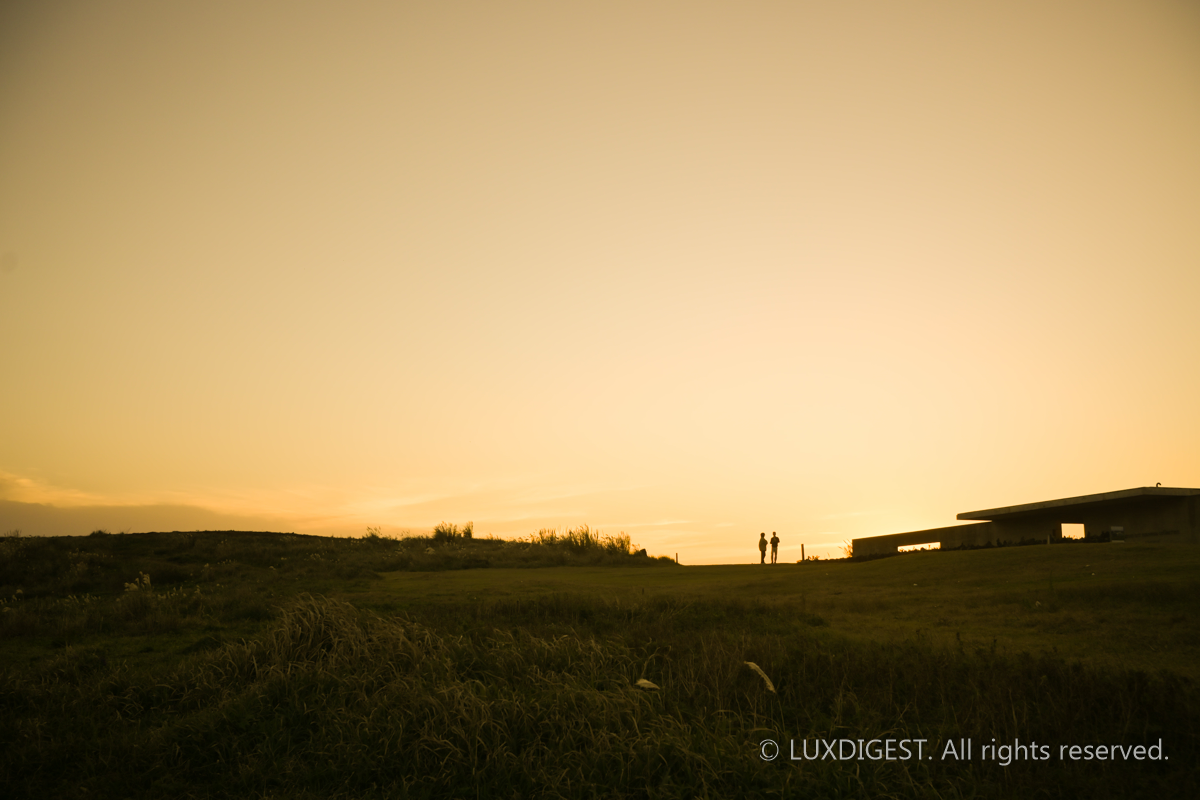
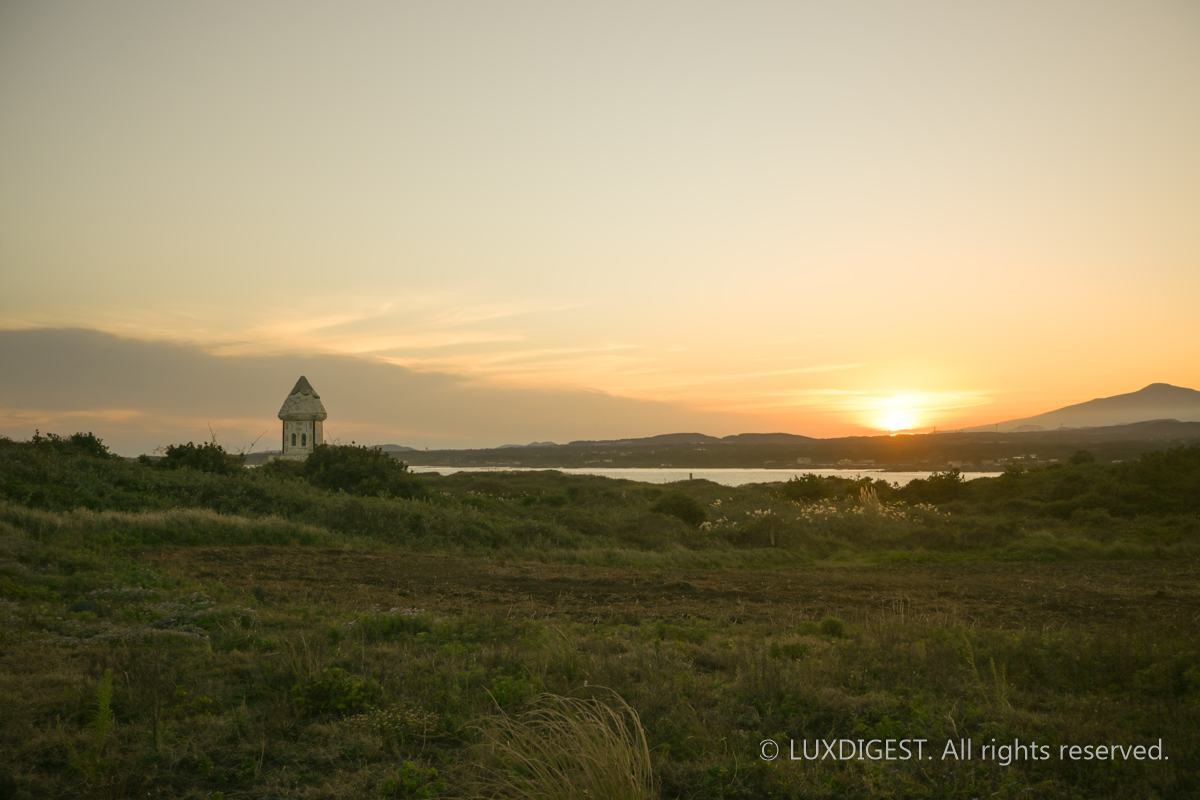
I took this photograph, with its beautiful golden sunset, at Seopjikoji at 5:20 p.m.
Seopjikoji: Rugged, Yet Beautiful
The name Seopjikoji is said to combine seopji, a Jeju dialect term referring to terrain that has produced many talented scholars, and koji—meaning a cape or landform that projects out into the sea.
In other words, it describes a rugged coastal landscape.
I didn’t fully appreciate that before arriving at the car park, because the drive there was so beautiful.
The car park also seems rather small for a destination of Seopjikoji’s scale.
Seopjikoji Coordinates and Location
Seopjikoji: A Landscape of Red Scoria
Unlike much of Jeju’s coastline, which is made up of black basalt, the coastal hills at Seopjikoji are covered in red volcanic ash known as scoria.
That makes the landscape especially distinctive and fascinating.
It is a wonderful place simply for a stroll, but it is also said to be geologically significant.
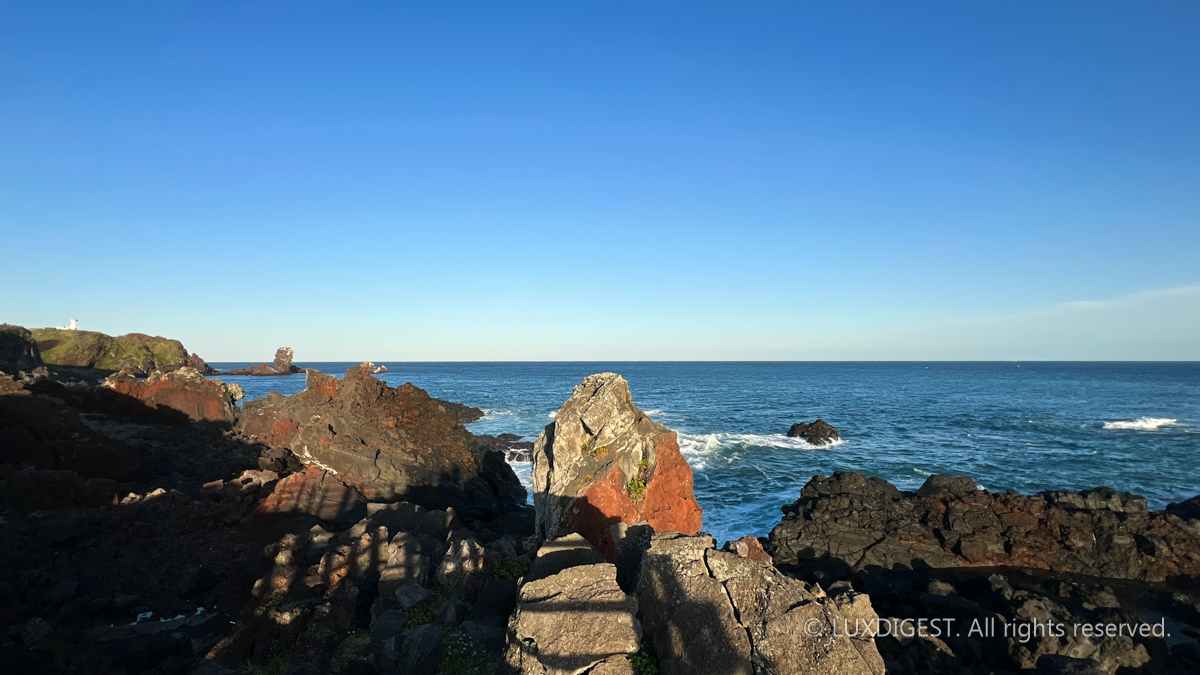
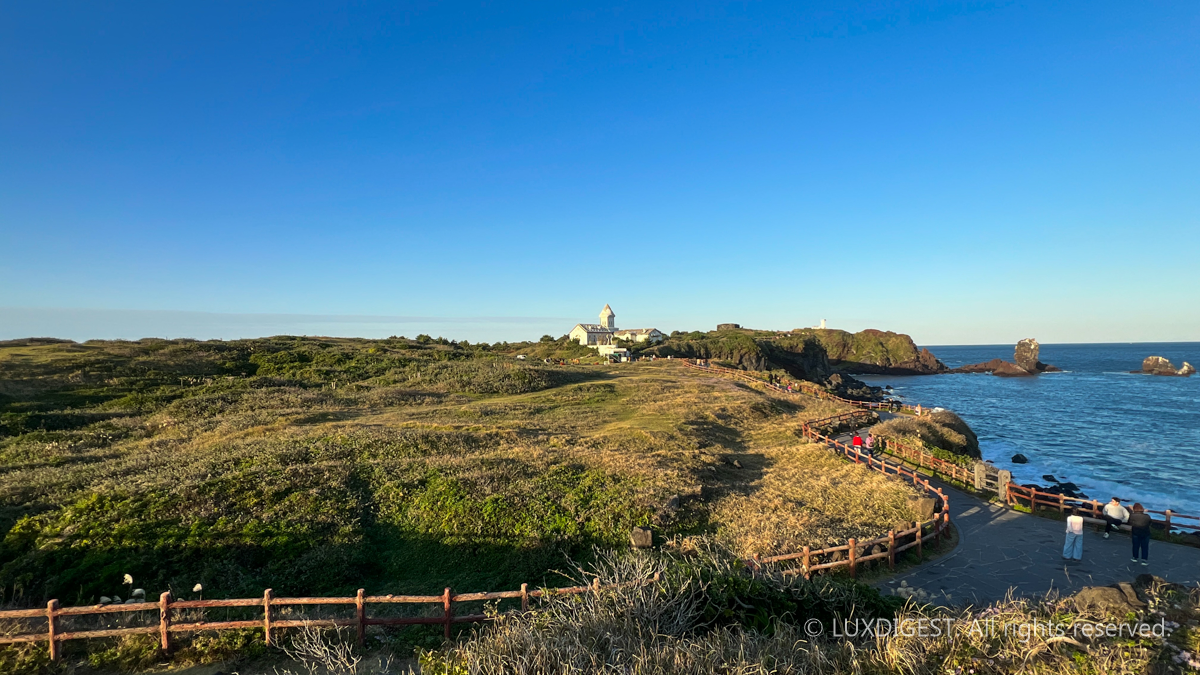
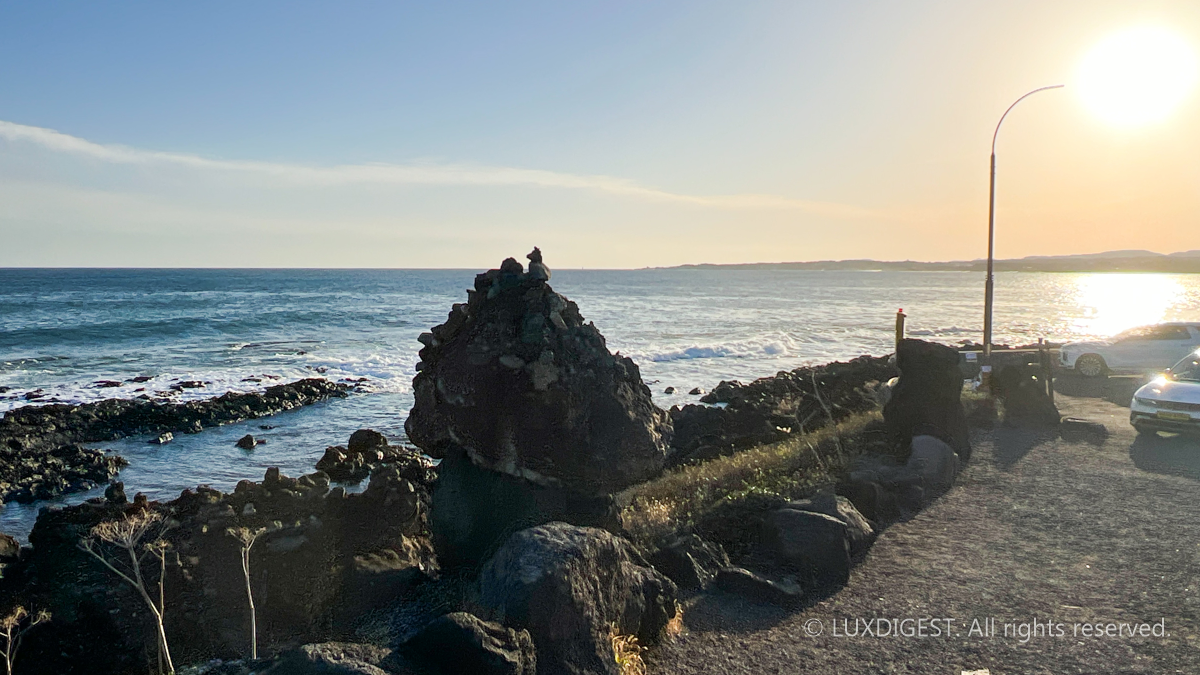
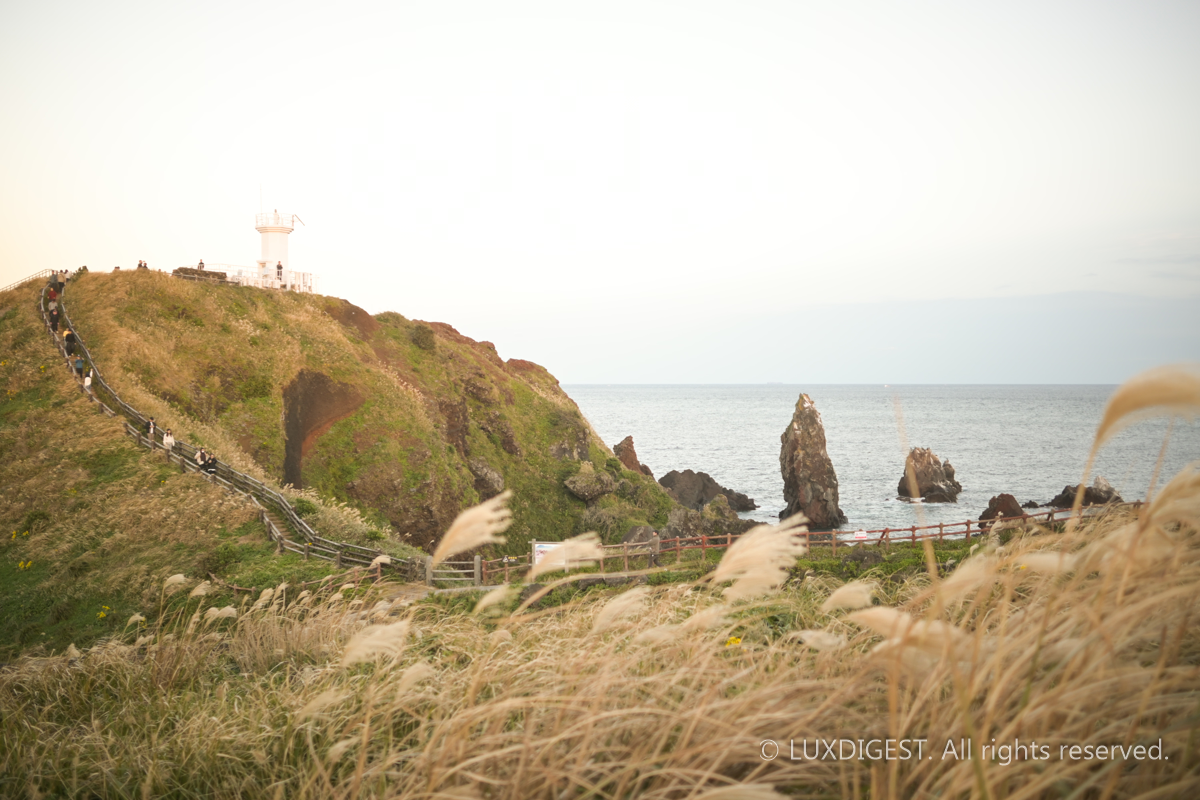
Can you spot the rock in that photograph? That is Seondol Rock. It is said to have formed when the volcanic conduit—the passage through which magma travelled during an eruption—cooled and solidified.
According to legend, it is the son of the Dragon King, who turned to stone while waiting for a celestial maiden.
Seopjikoji in Eastern Jeju, Where the Sun Sets Beyond the Island
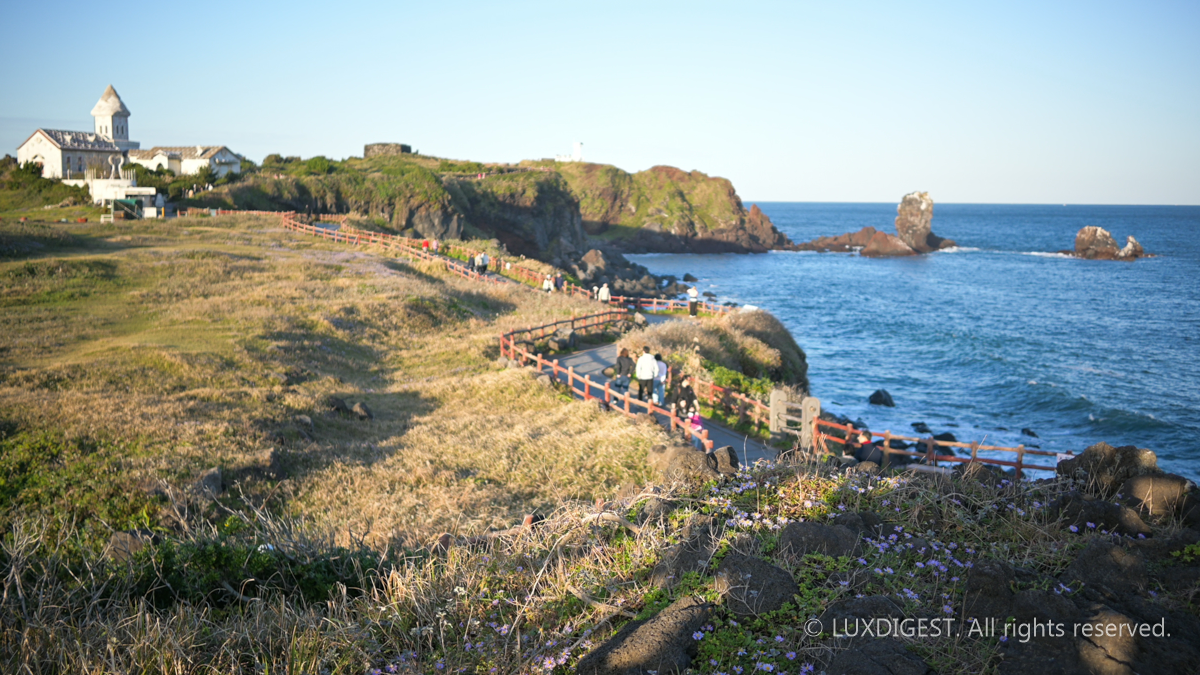
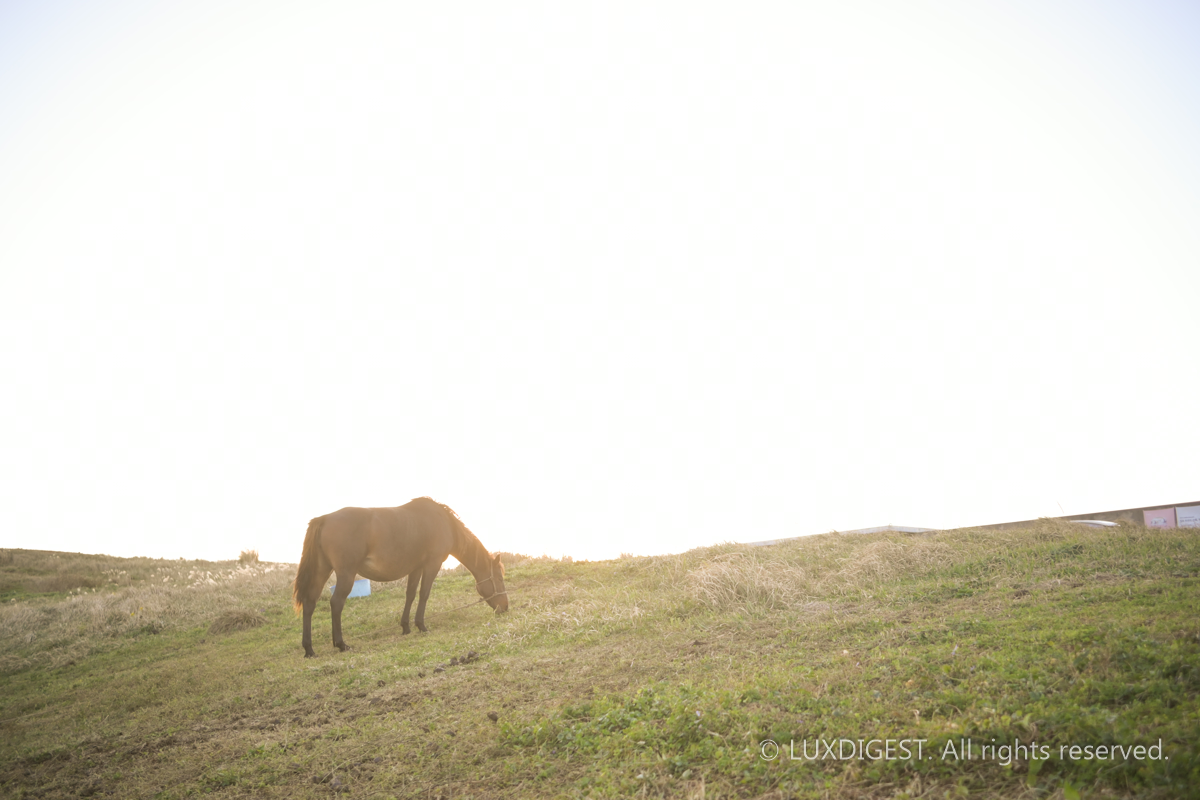
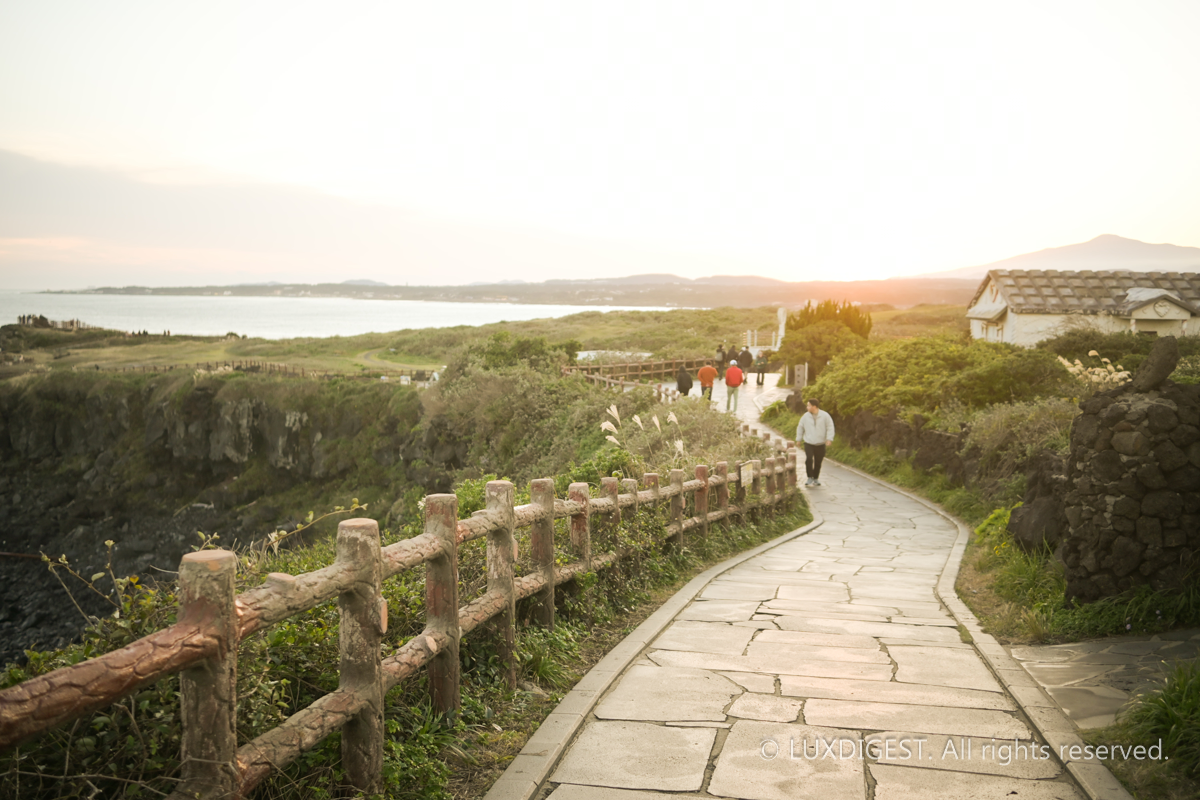
Almost anywhere you point your camera becomes a picture-perfect scene. There are few places like this, and I would rank Seopjikoji among Jeju’s top three photography spots.
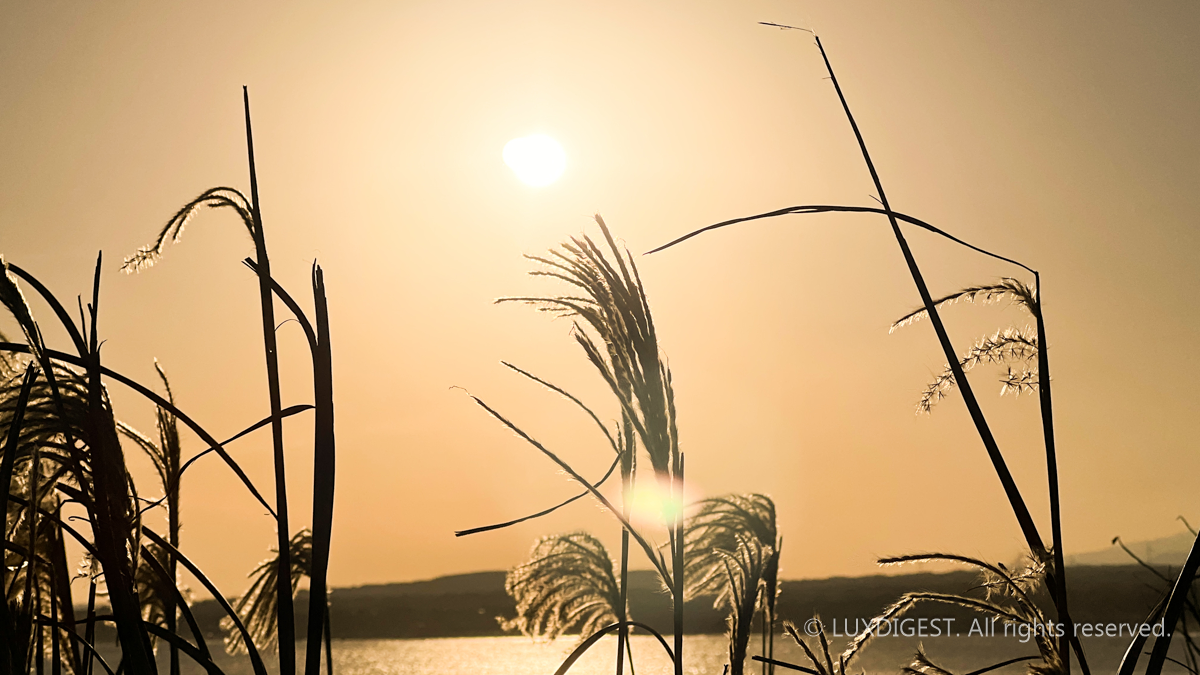
During the softest light of the day, the natural scenery at Seopjikoji seems to come together perfectly.
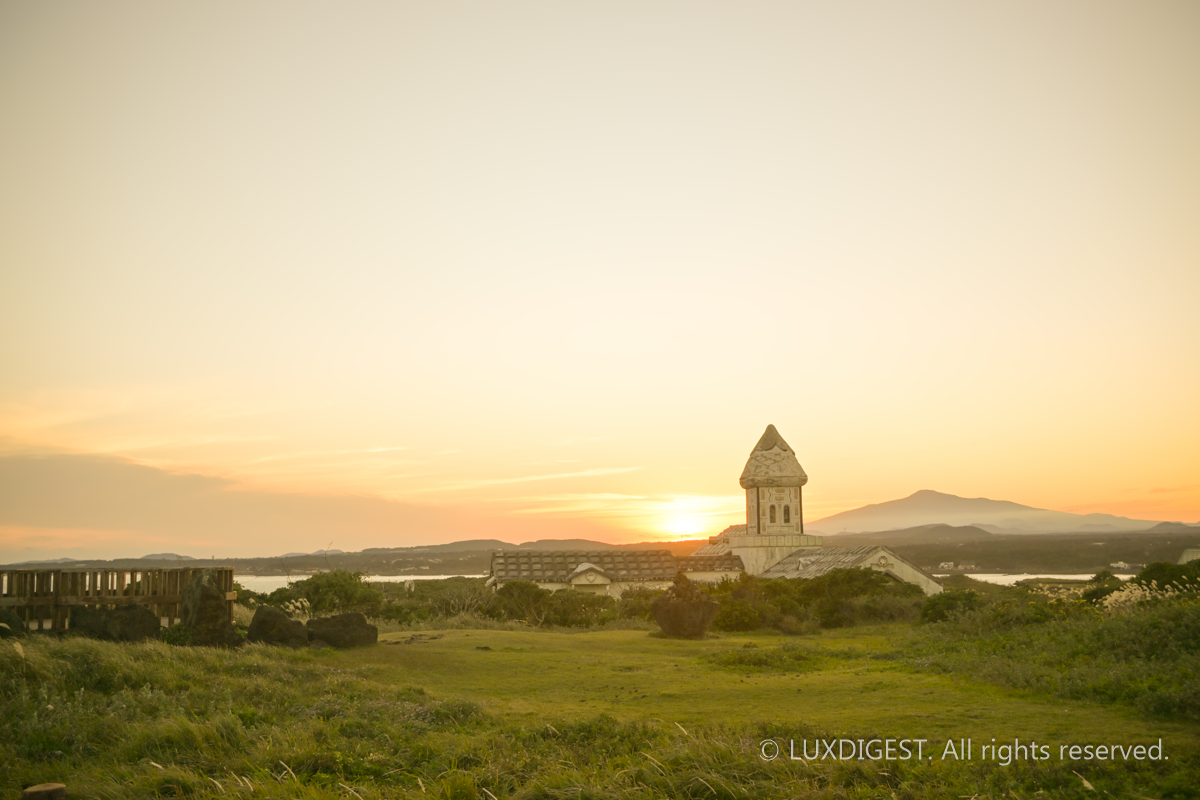
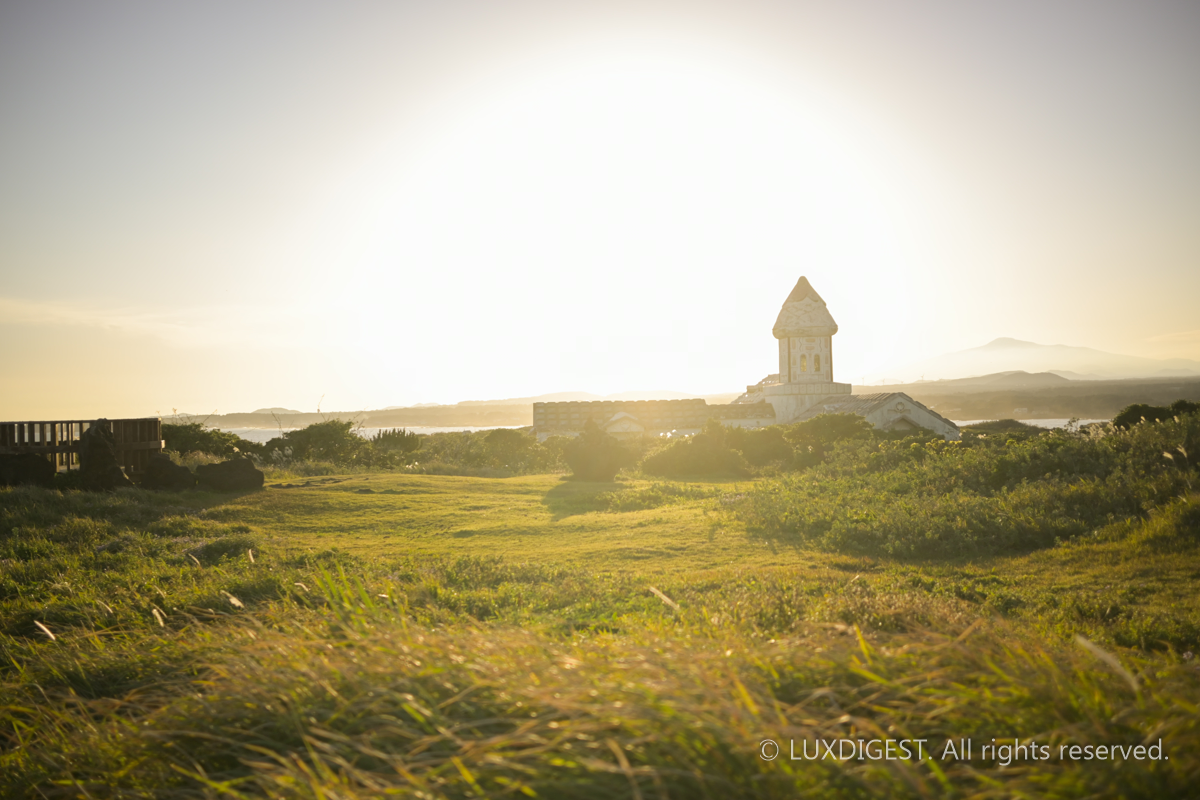
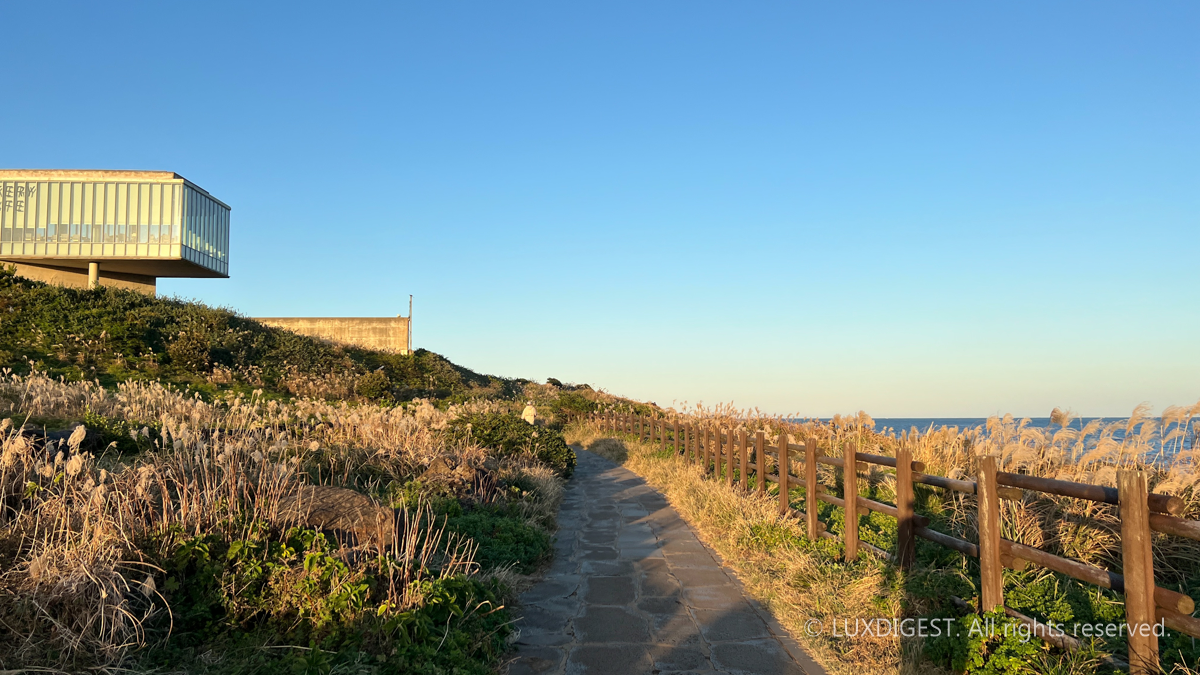
The main landmarks at Seopjikoji are the lighthouse and the distinctive chocolate café building.
Unfortunately, the chocolate café is closed. It appears to have gone out of business. I can’t understand how a place with such a prime location could fail.
There are other modern spots nearby, including GENIUS LOCI and the Yumin Art Nouveau Museum, but I think the café suited the landscape better than any of them.
It is a shame that it has closed.
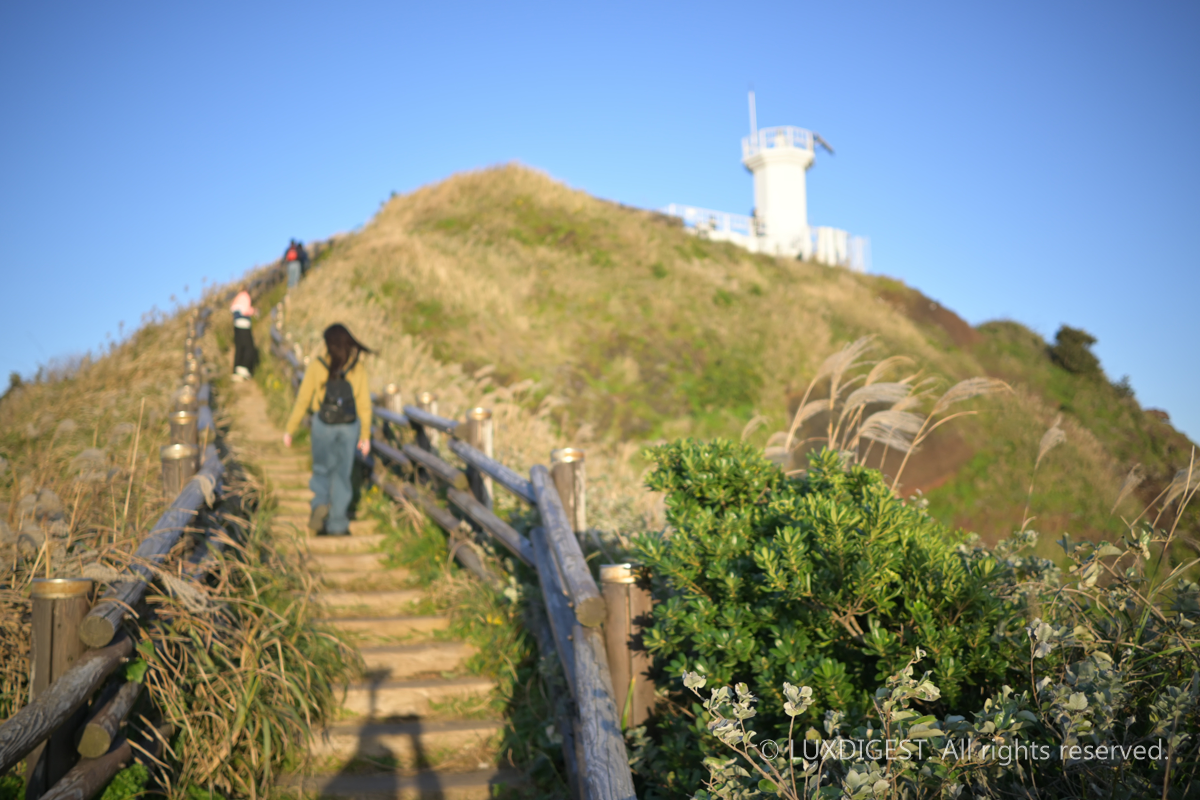
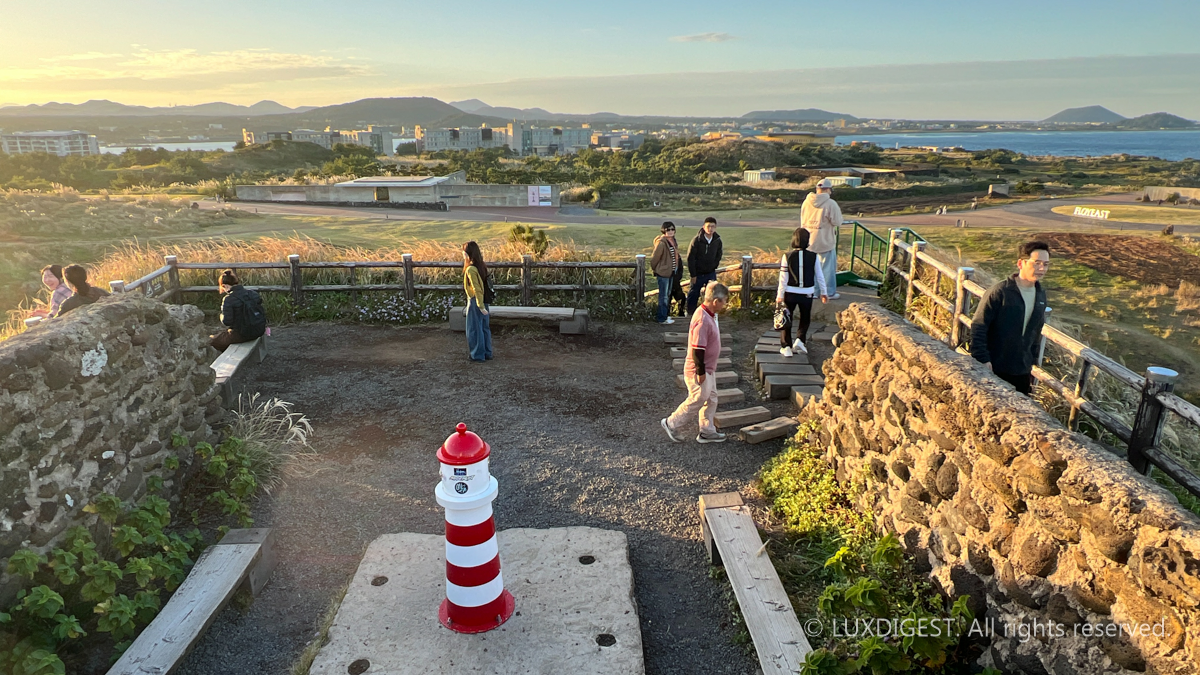
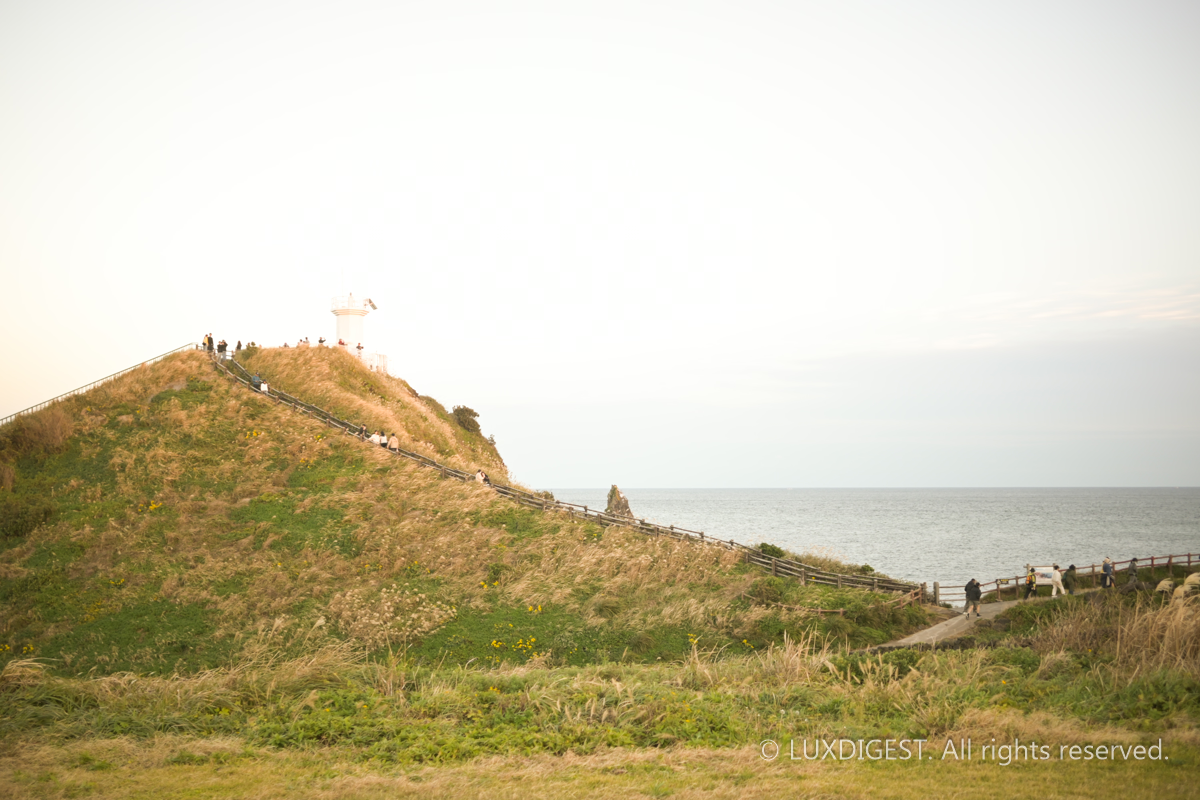
The walk up to Bangdupo Lighthouse is not particularly difficult.
From the top, the views are simply spectacular. As you can see in the photographs, almost every angle looks beautiful.
Take a closer look at the view from the lighthouse.
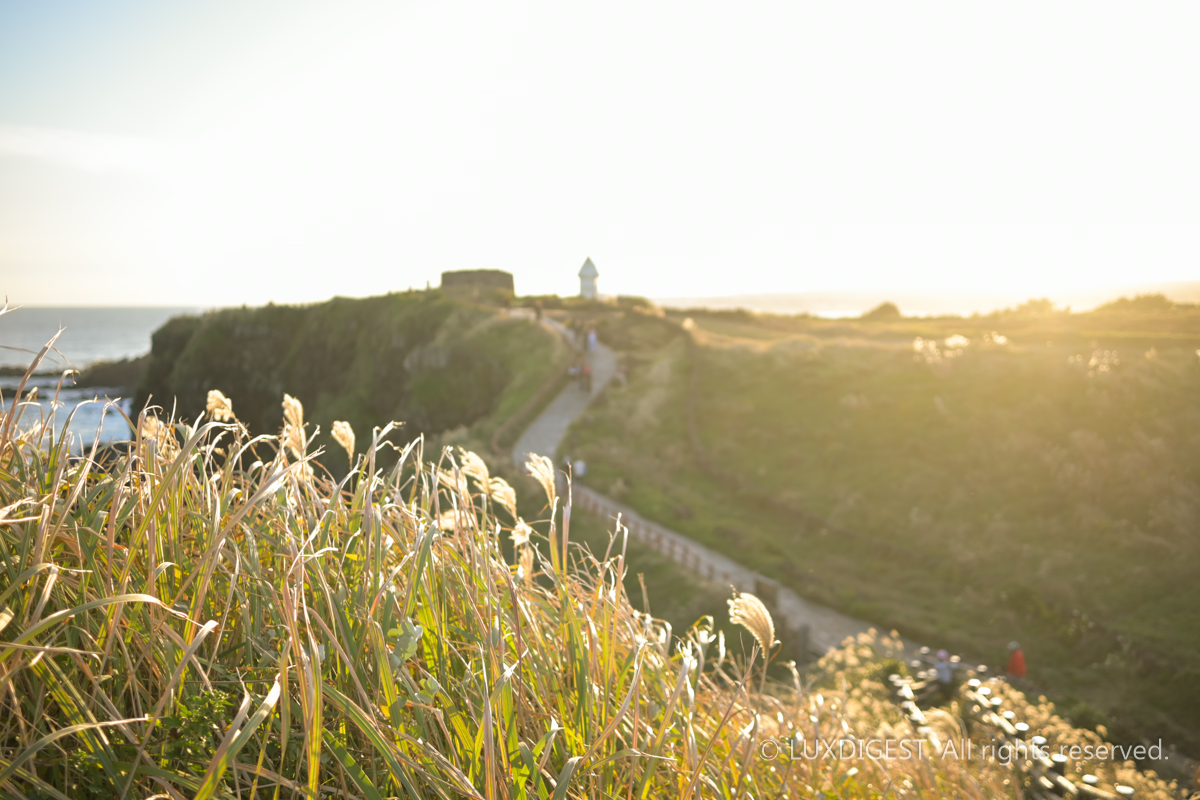
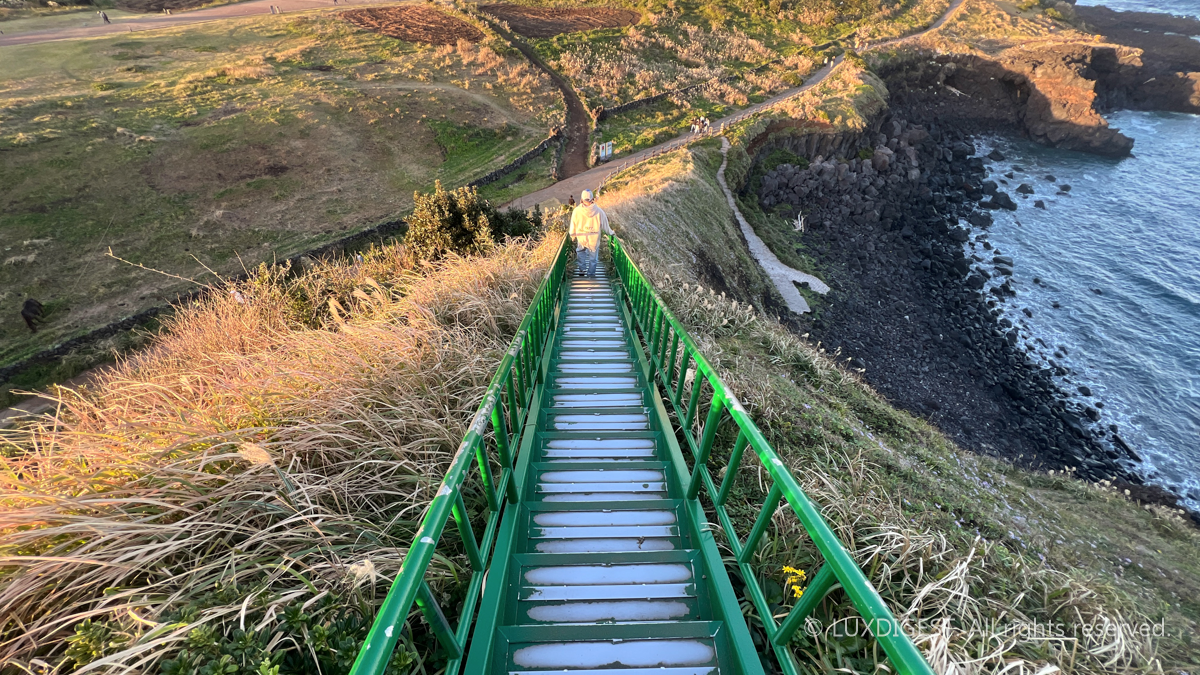
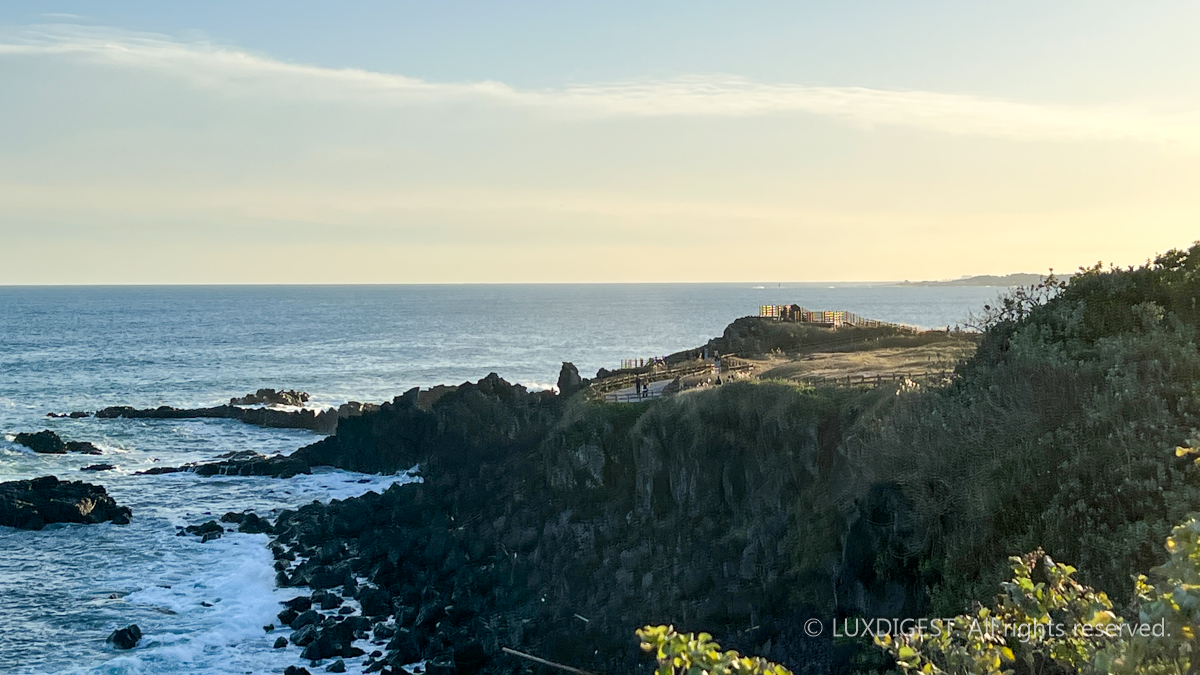
The coastal rocks in that photograph have a reddish hue, created by layers of oxidized volcanic ash that contrast with the black basalt.
After descending from the lighthouse—or more precisely, the summit of Bangdupo Lighthouse—and walking toward the Yumin Art Museum and Glass House, you eventually come across Seongsan Ilchulbong.
What makes this view even more striking than Seongsan Ilchulbong itself
is the way the sunset pours down over the low rolling ridge. It is truly beautiful.
You can see the scene in the photographs and video below.
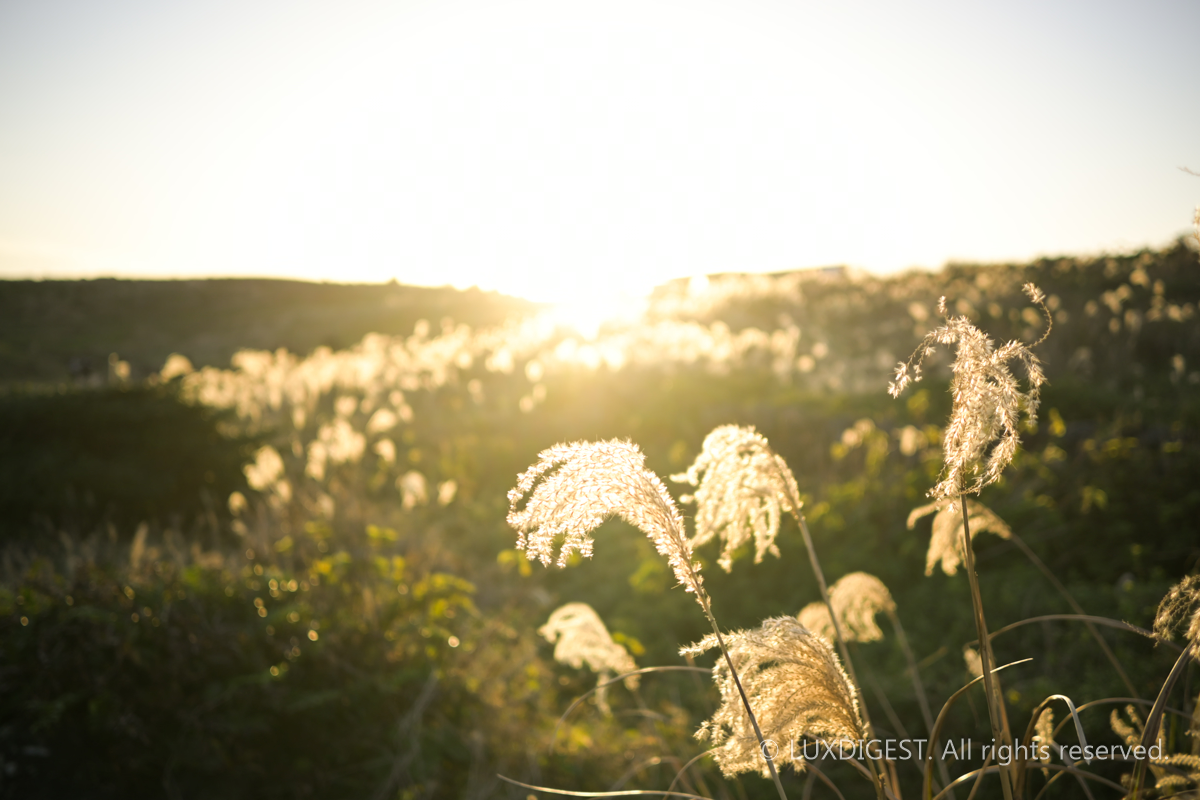
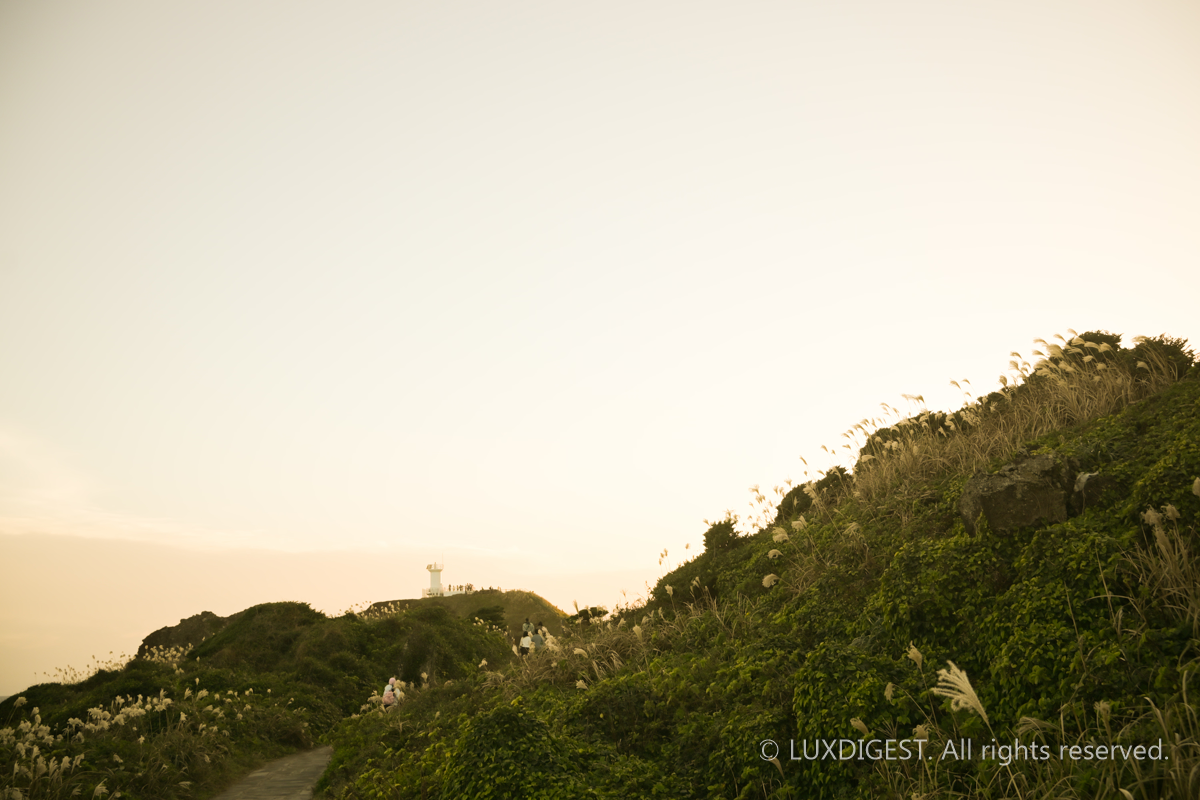
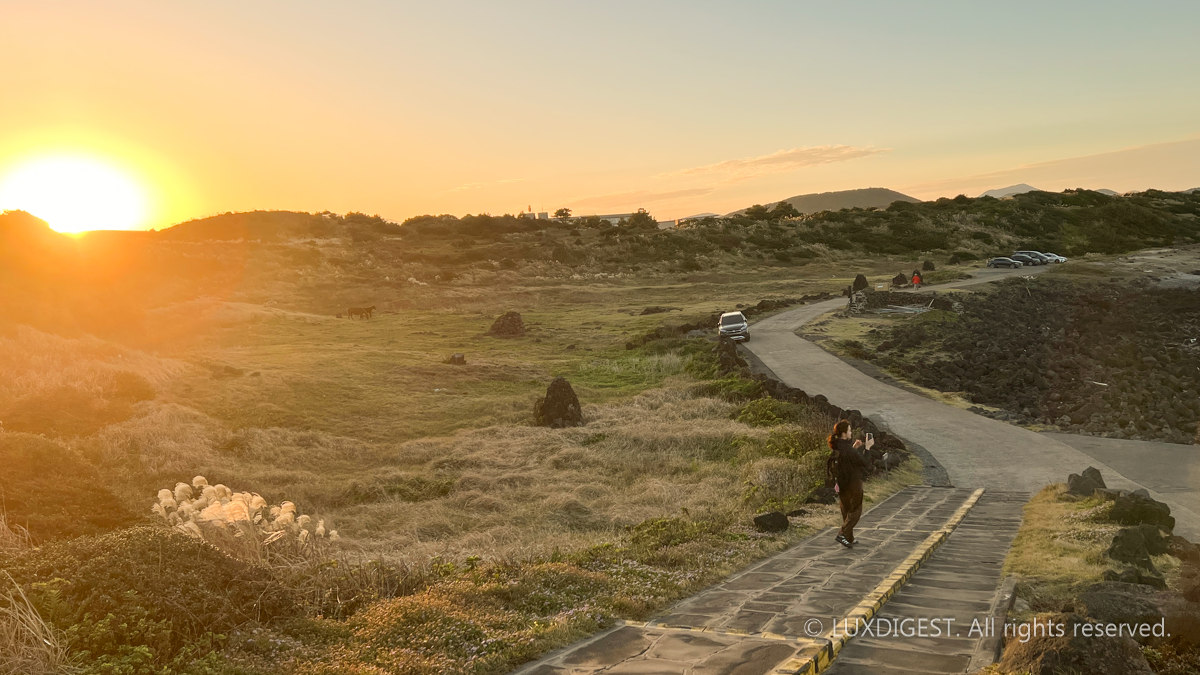
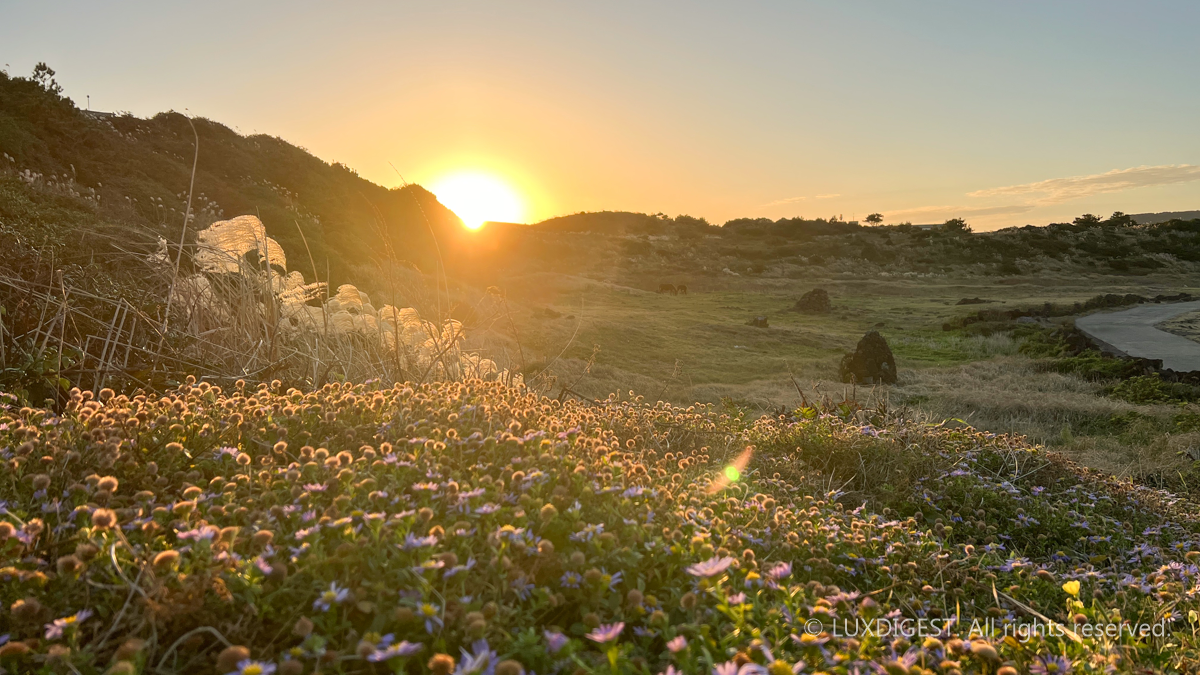
What do you think of Seopjikoji? Pretty impressive, isn’t it?
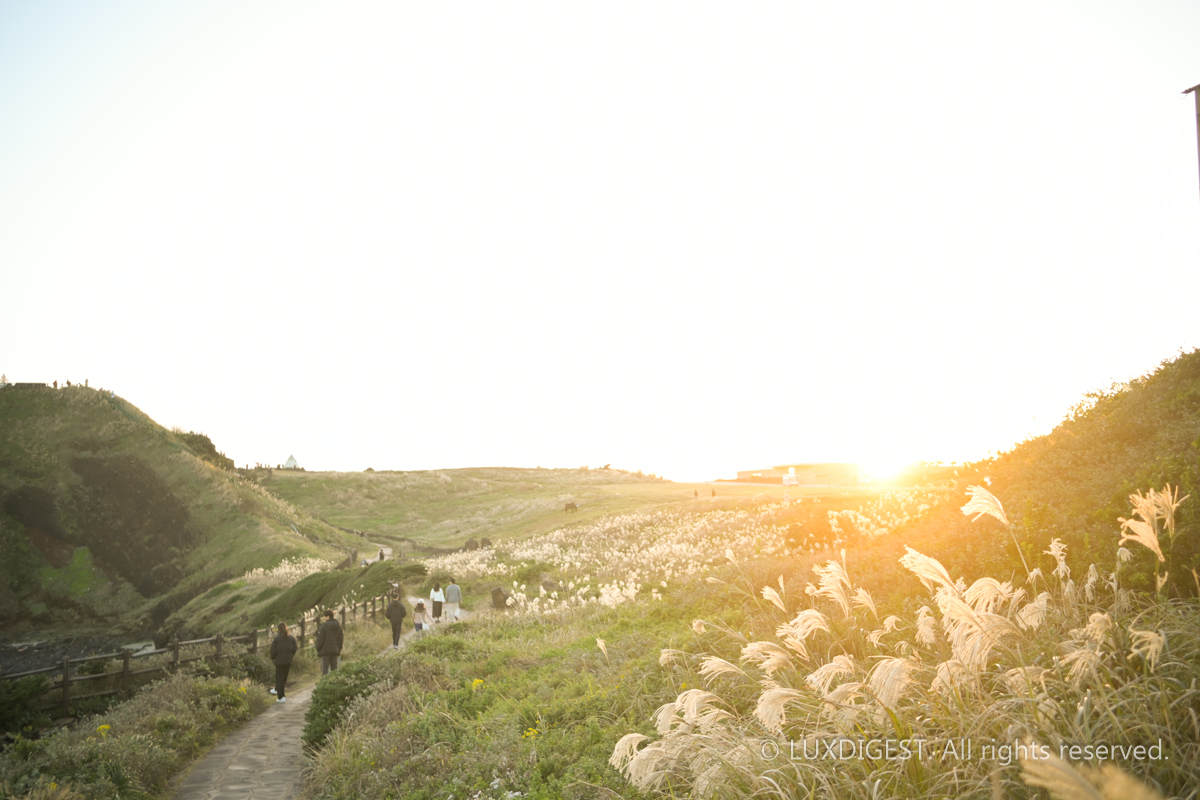
It is genuinely moving. This is actually the far end of Seopjikoji—the point where Seongsan Ilchulbong comes into view.
Many visitors turn back before reaching this section or head into one of the cafés.
That means they miss one of the best viewpoints.
I highly recommend walking all the way to this exceptionally beautiful part of the cape.
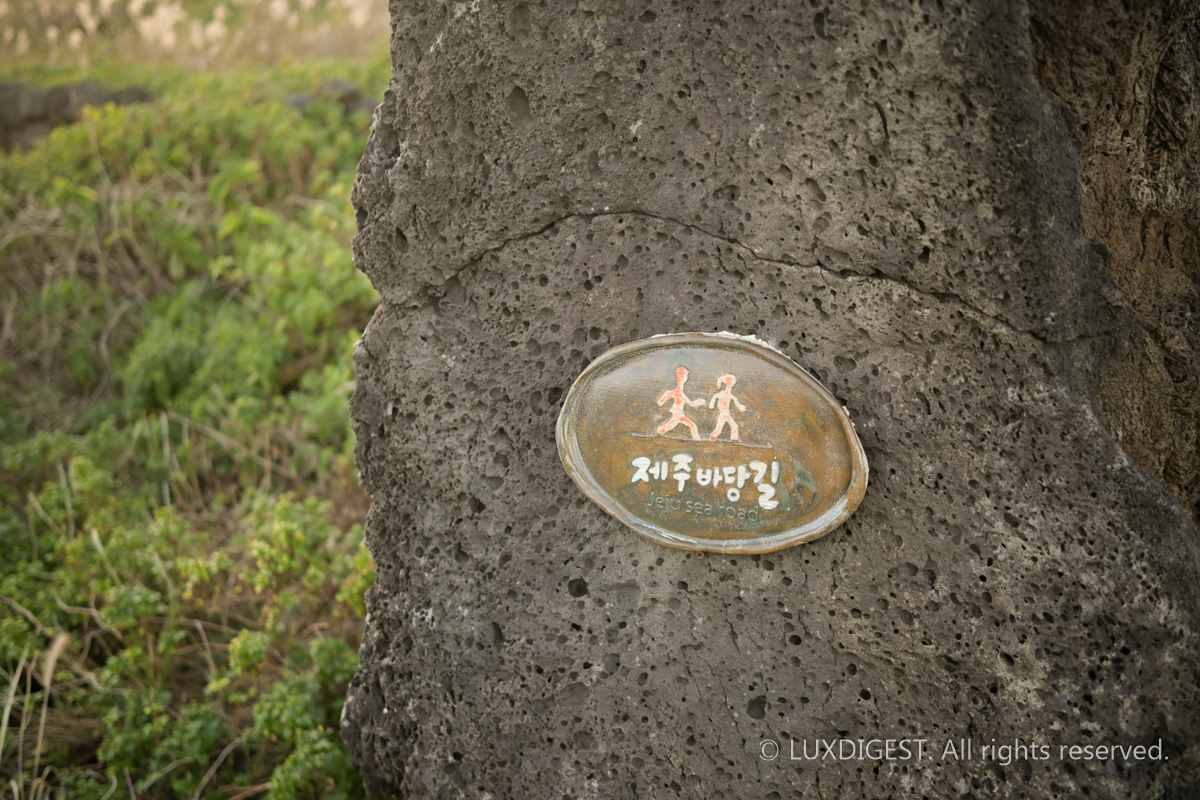
Recommended Seopjikoji Route and Photography Tips
Recommended route: Parking lot → coastal walking trail → view of Seondol Rock → Bangdupo Lighthouse (summit) → Yumin Art Museum/Glass House → return (approximately 90 minutes)
Watch out for the wind: As a cape open on all sides, Seopjikoji can be extremely windy. If you set up a tripod, a stabilizing weight is essential.
A Walk Around Seopjikoji: My Top Recommendation
Seopjikoji offers the perfect natural setting and surroundings for photography in Jeju.
There are countless wonderful places to visit around Jeju, but I strongly recommend making time for Seopjikoji.
That’s all from Lux.
Related Jeju Travel Videos