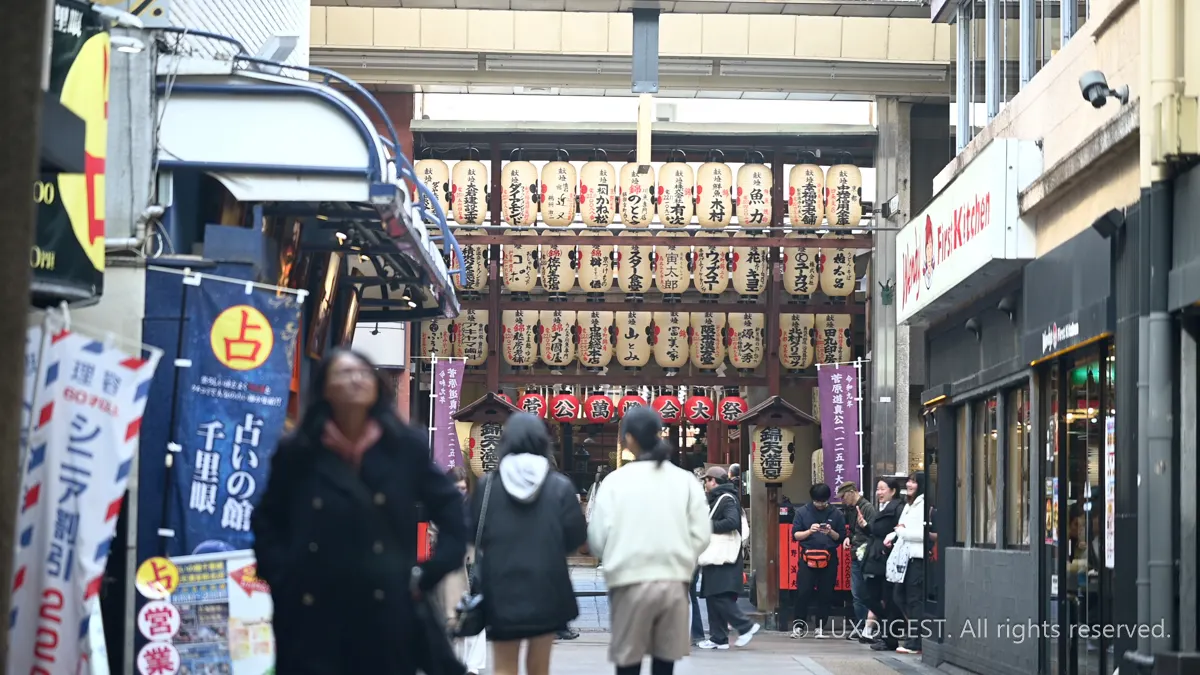
Japan’s Most Unexpected Shrines: Nishikitenmangu
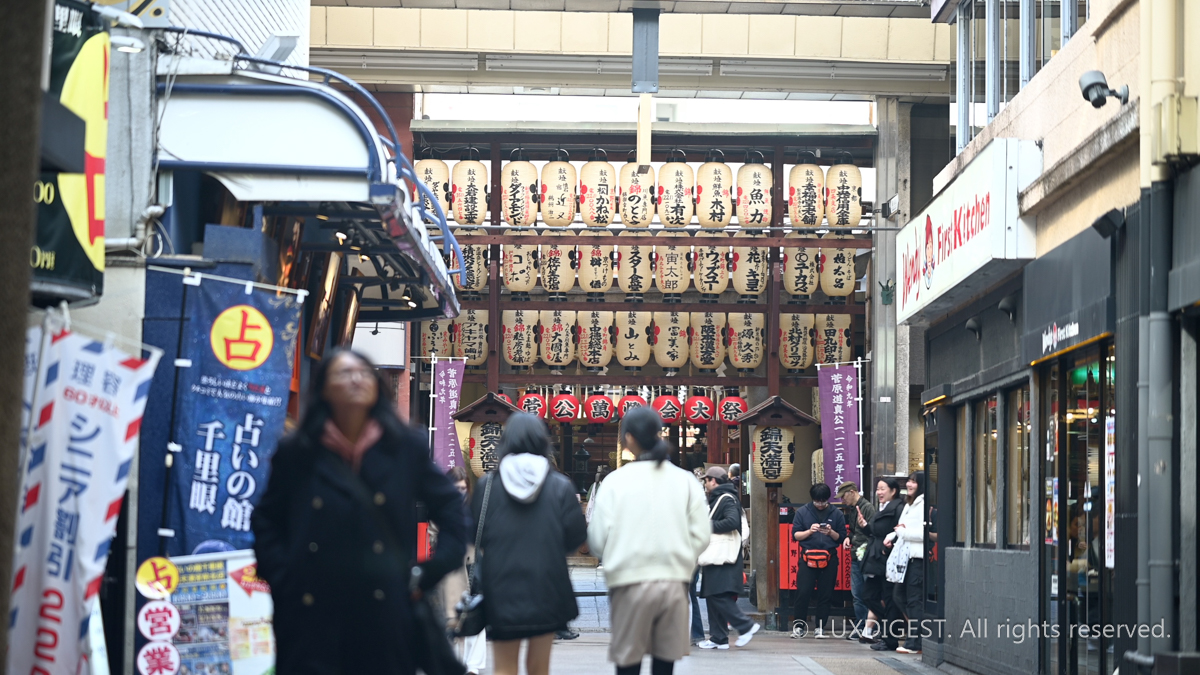
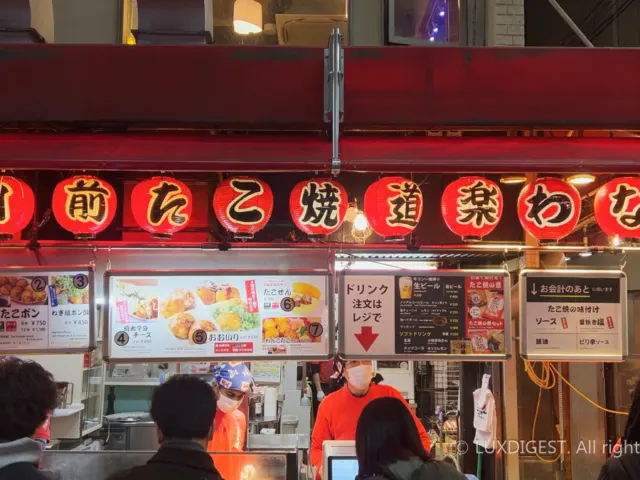
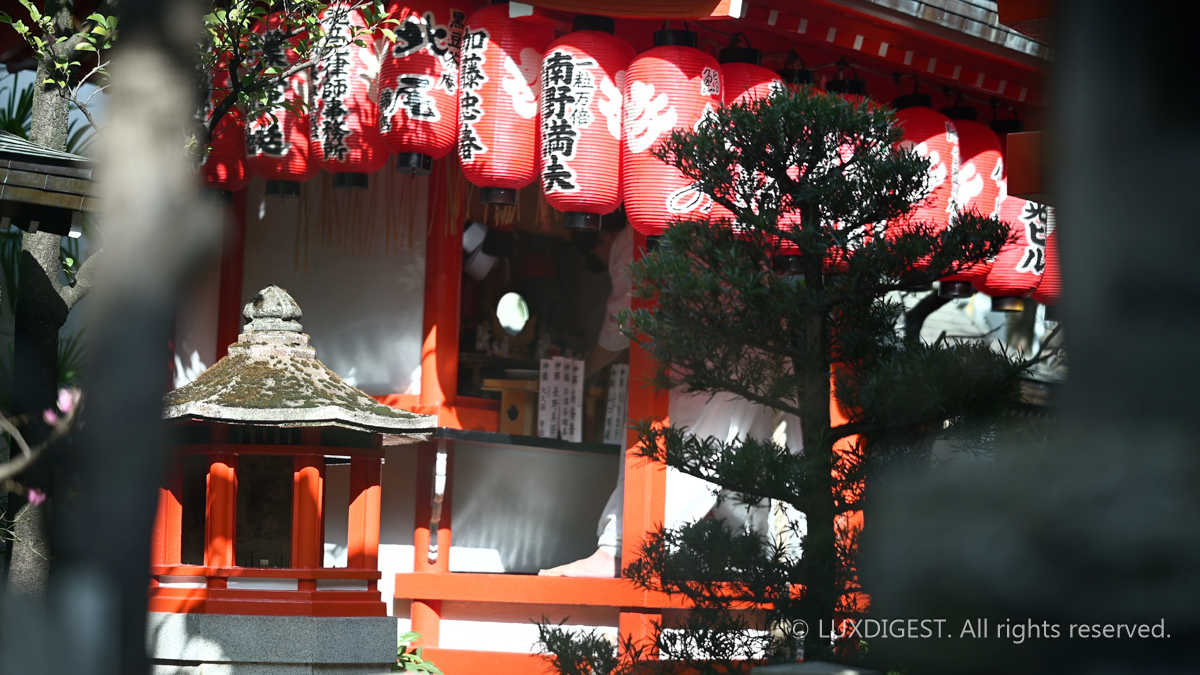
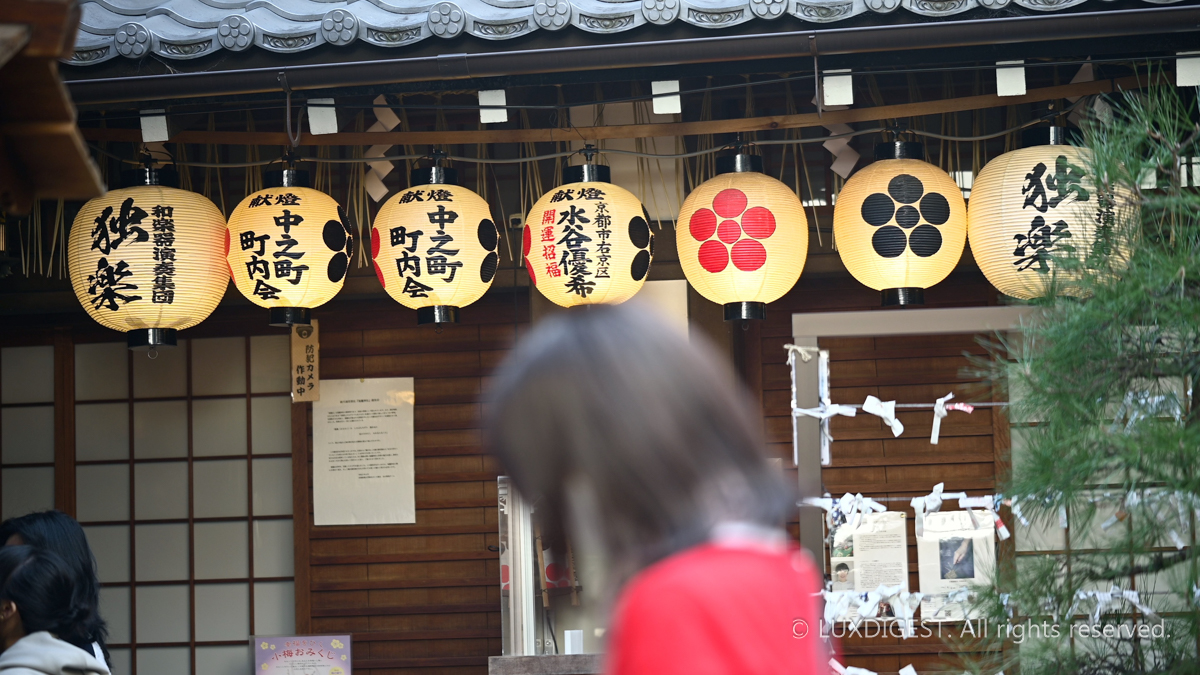
This is what the entrance looks like. I spotted it right in the middle of the market and initially thought, “Wait, what?” The more I looked, the more entertaining it became. Countless lanterns hang overhead.
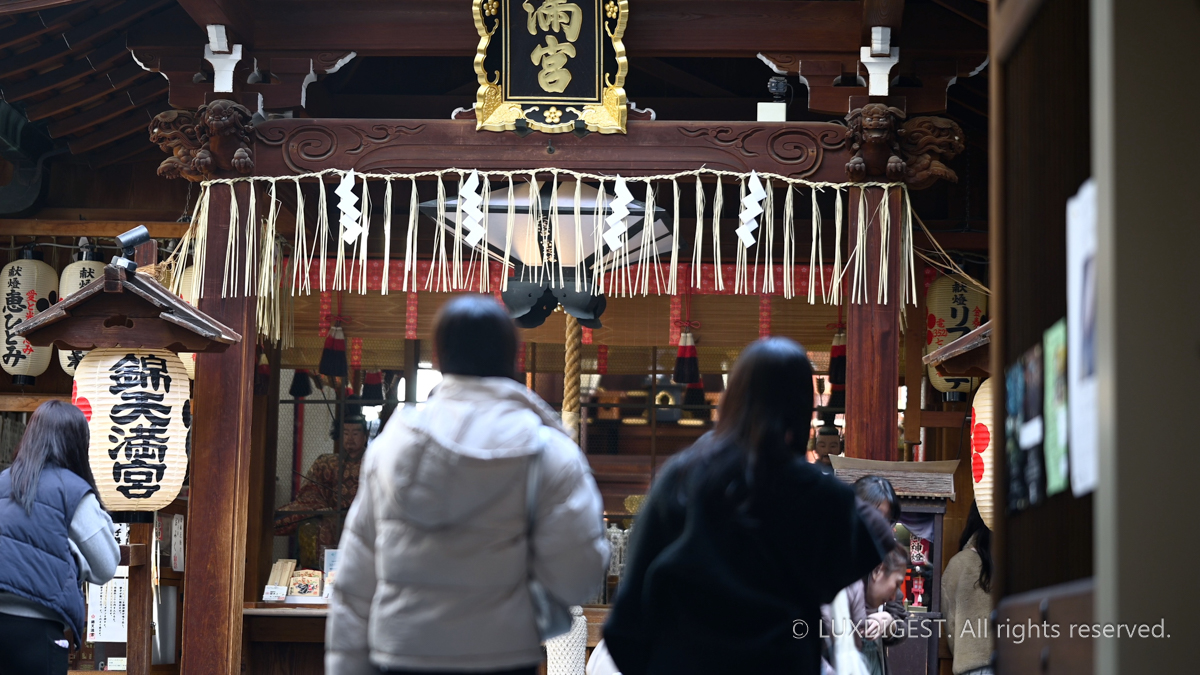
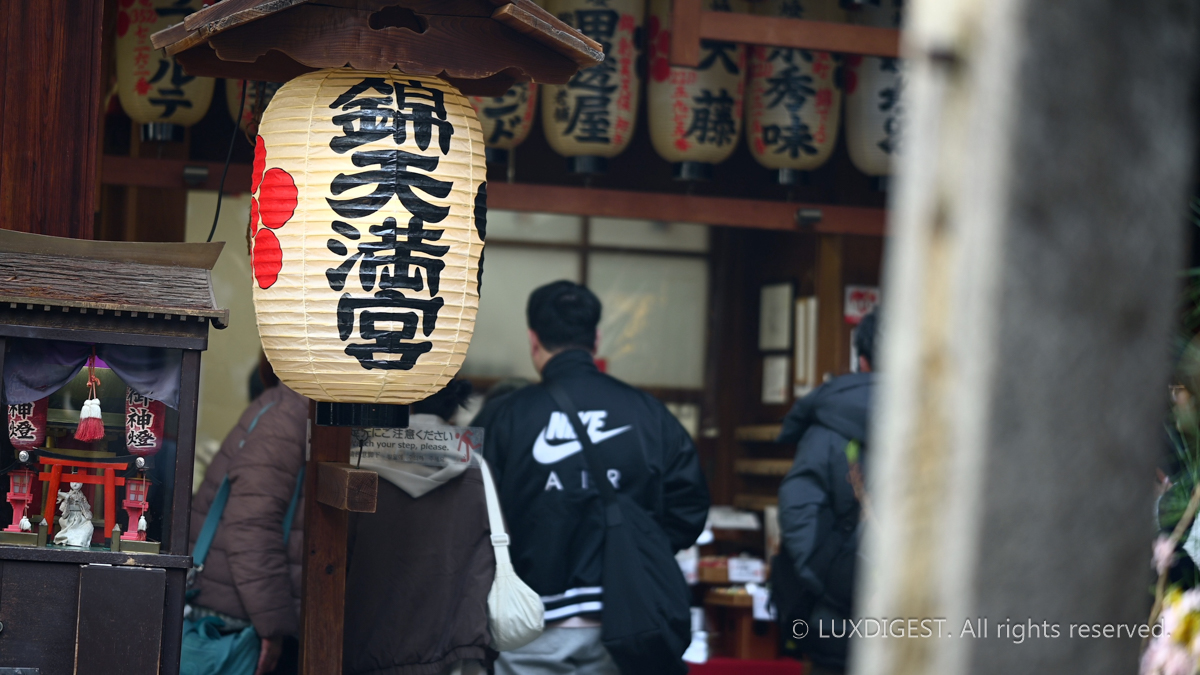
It must be quite a sight when the lanterns are lit at night.
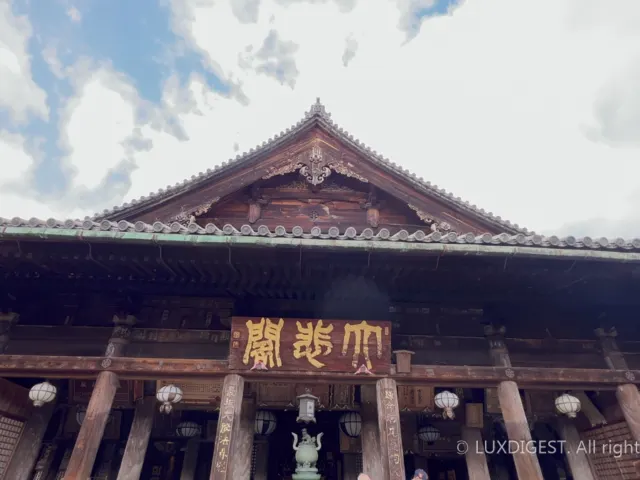
A shrine appearing out of nowhere in the middle of the market: Nishikitenmangu
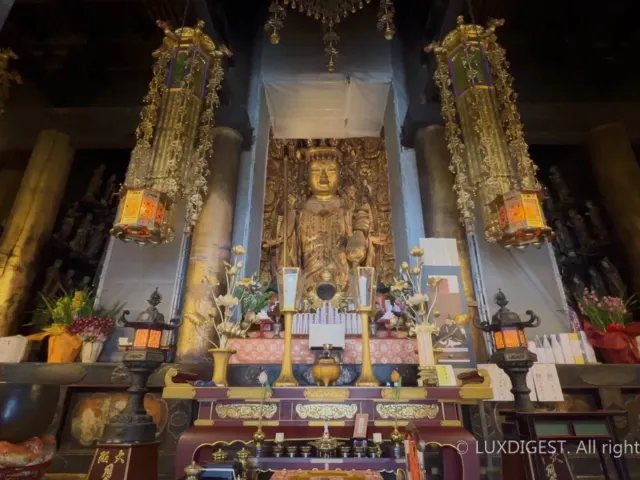
This shrine is dedicated to the deity of learning and the deity of commercial prosperity.
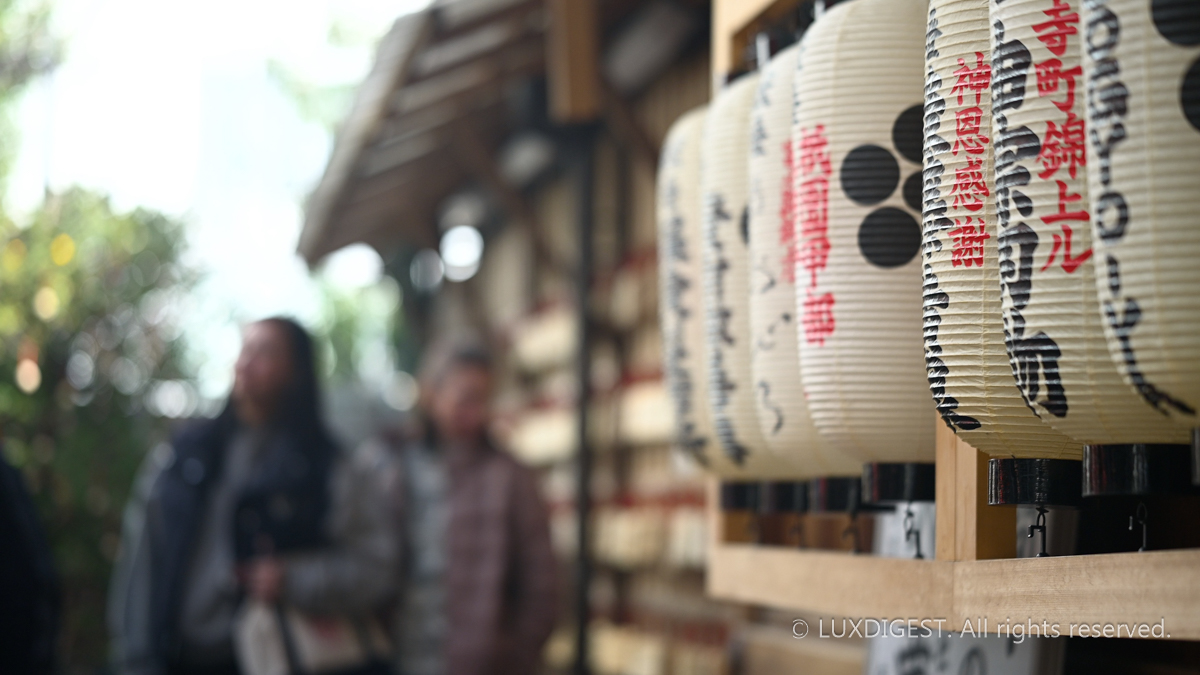
The lanterns at the entrance were put up by local merchants, who had their shop names written on them as they prayed for their businesses to prosper.
Because the shrine enshrines the deity of learning, many students from across Japan reportedly visit before the exams equivalent to the country’s university entrance exams, praying for admission to a good school.
The lanterns at the entrance were put up by local merchants, who had their shop names written on them as they prayed for their businesses to prosper.
Because the shrine enshrines the deity of learning, many students from across Japan reportedly visit before the exams equivalent to the country’s university entrance exams, praying for admission to a good school.
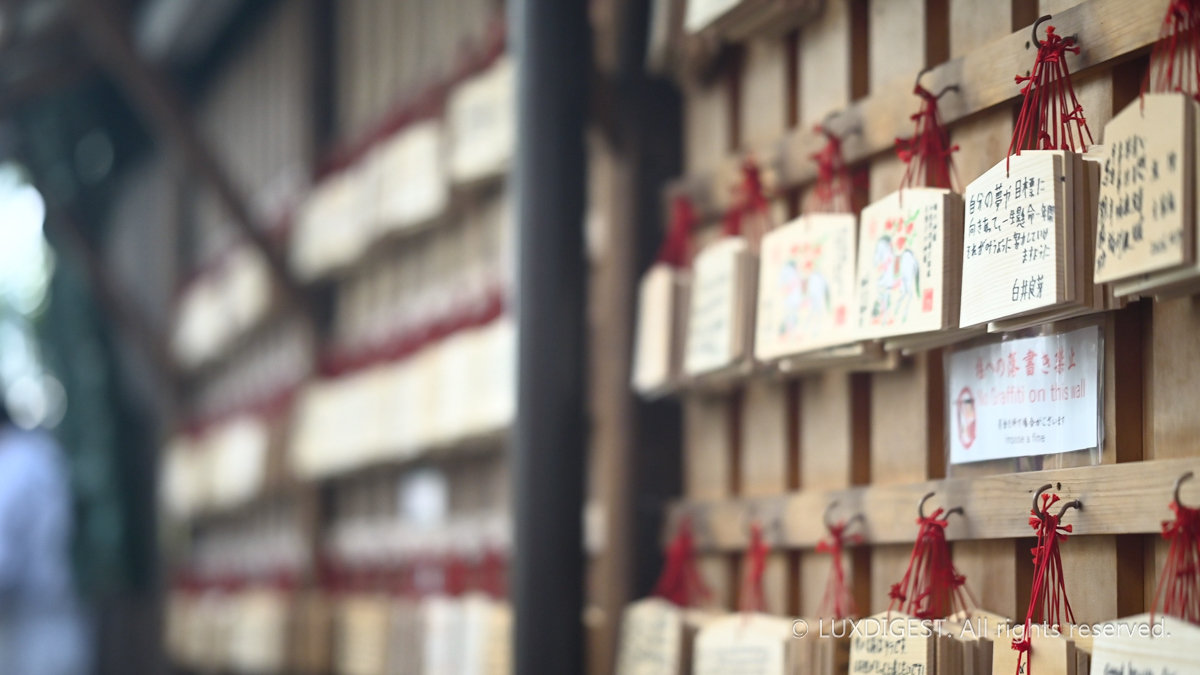
The area behind the shrine is filled with wooden plaques bearing visitors’ wishes.
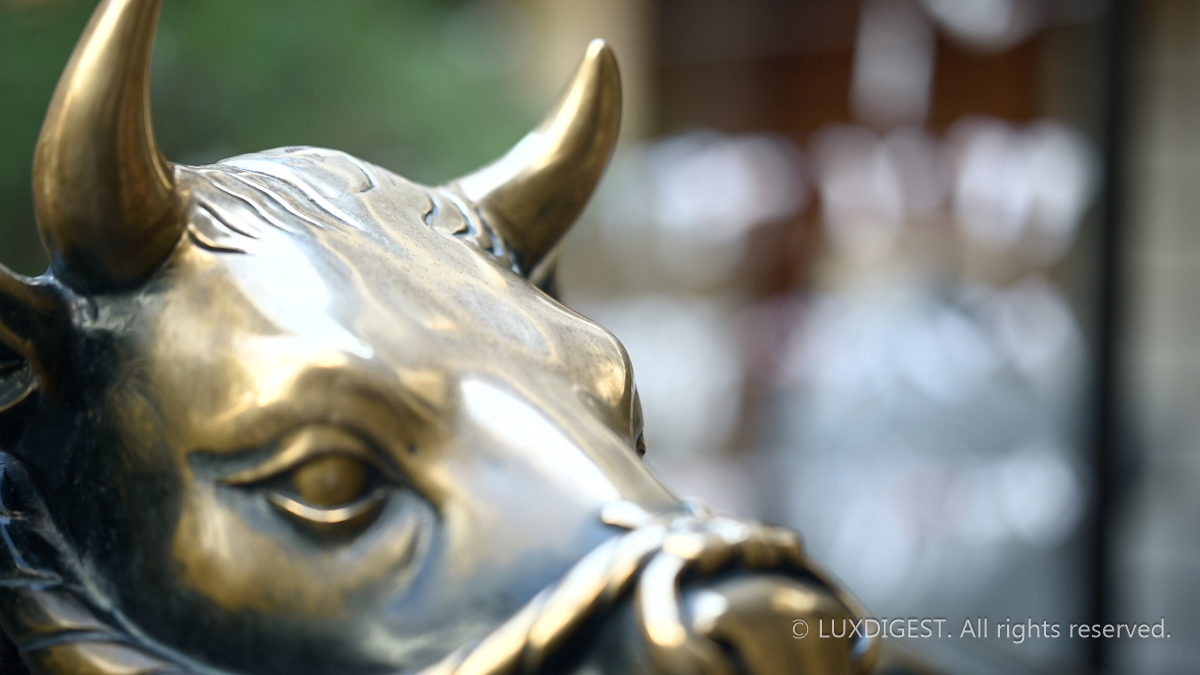
A small bronze ox statue stands at the entrance. It may be a welcome sight for those who visit and place their faith in the shrine, but as a Christian, I could not help thinking of the idolatry of Sodom and Gomorrah. To be honest, it made me uncomfortable.
From a Christian perspective, the worldview embodied by Japanese shrines can be deeply uncomfortable.
Still, as a traveler, I remind myself not to dismiss the values of another world, but to make an effort to observe them as they are.
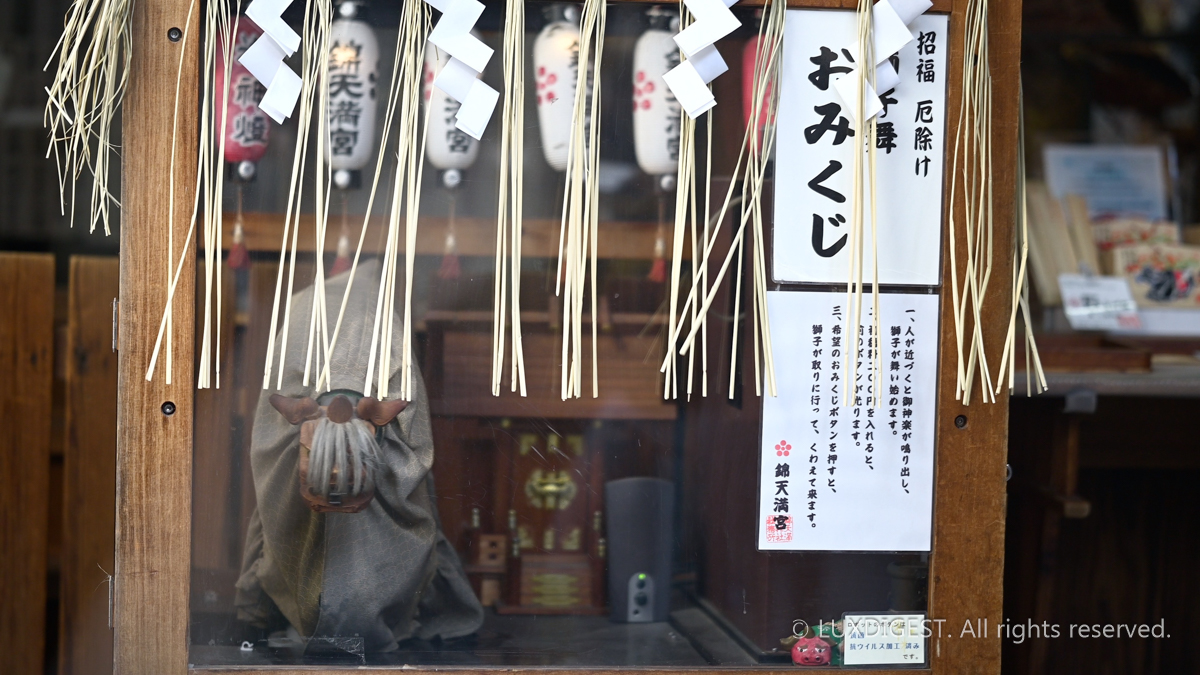
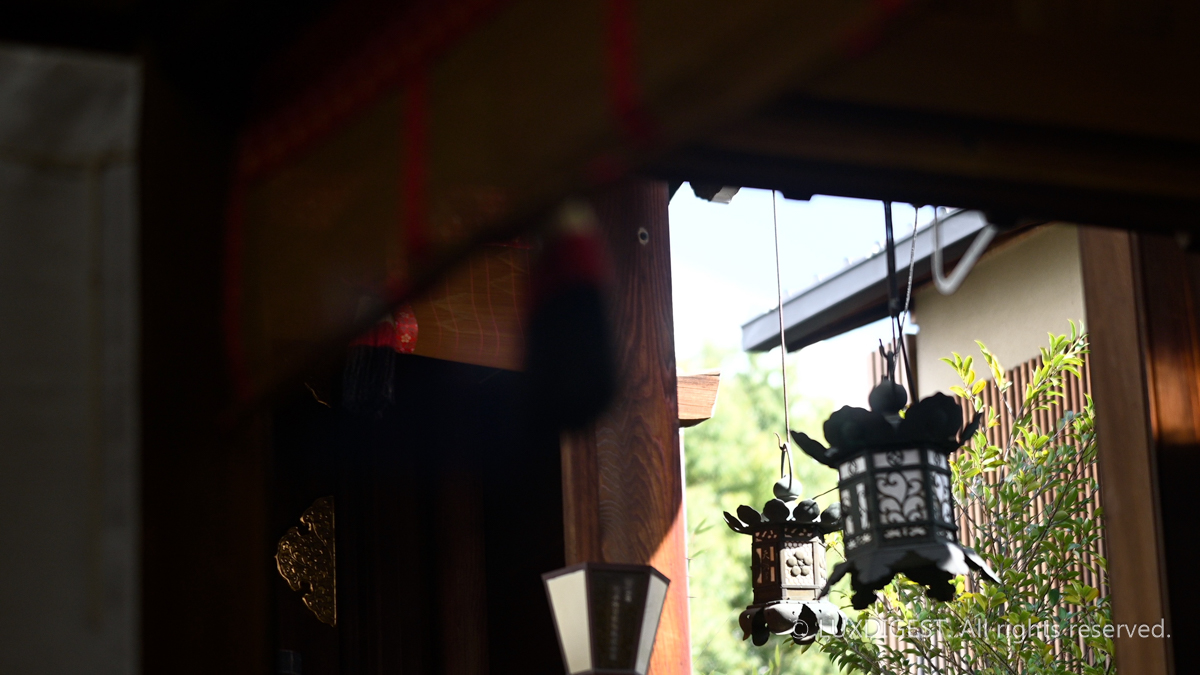
The shrine’s use of a robot to encourage visitors to offer grains may seem amusing, but there is also something undeniably eerie about it.
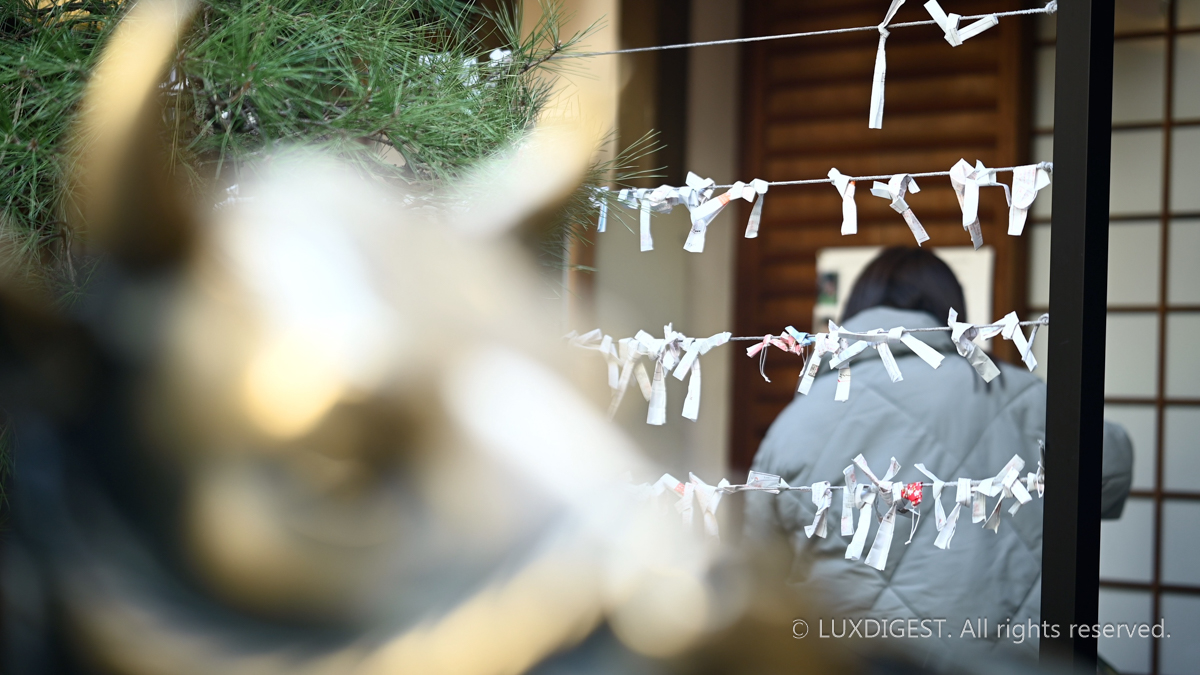
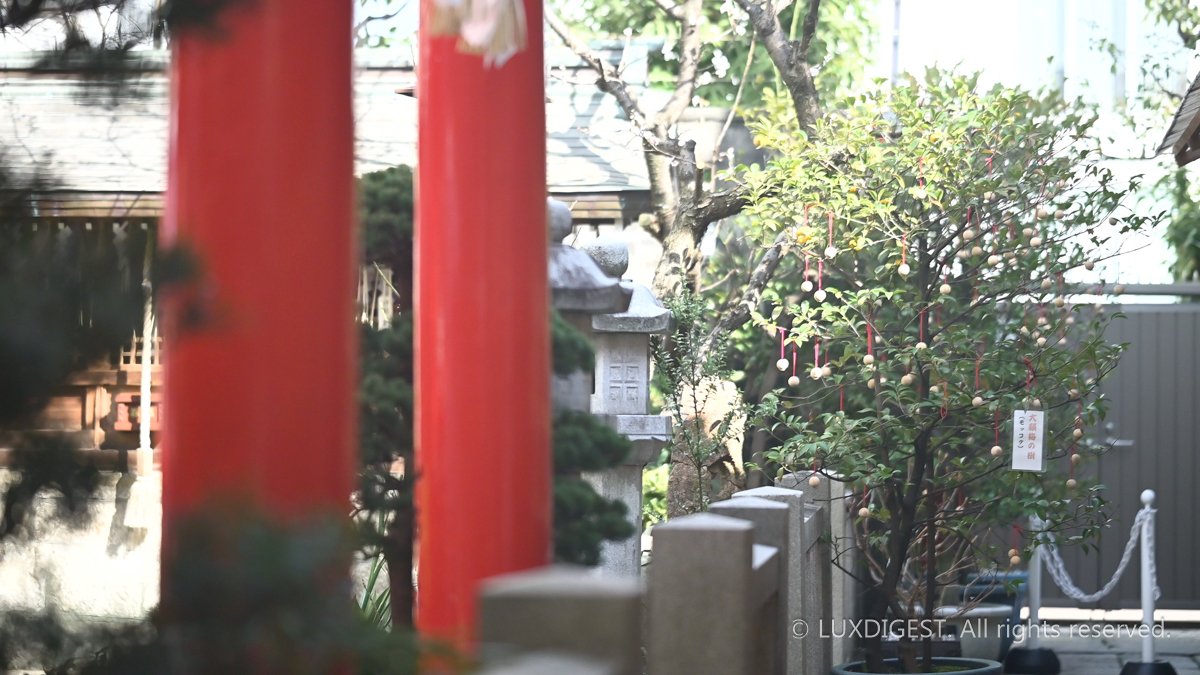
Many people bow at the shrine, make wishes and leave offerings.
But there is a significant difference between people who understand the shrine’s traditions and those who simply copy what everyone else is doing.
As an outsider, I am observing their religious practices rather than trying to share the same rituals or beliefs. So I quietly look around and leave.
Shrine visits are arguably an essential—yet not quite essential—part of traveling in Japan. They can be fascinating, but they also raise sensitive questions, so it is important to visit with care and respect.
Kyoto Travel Video