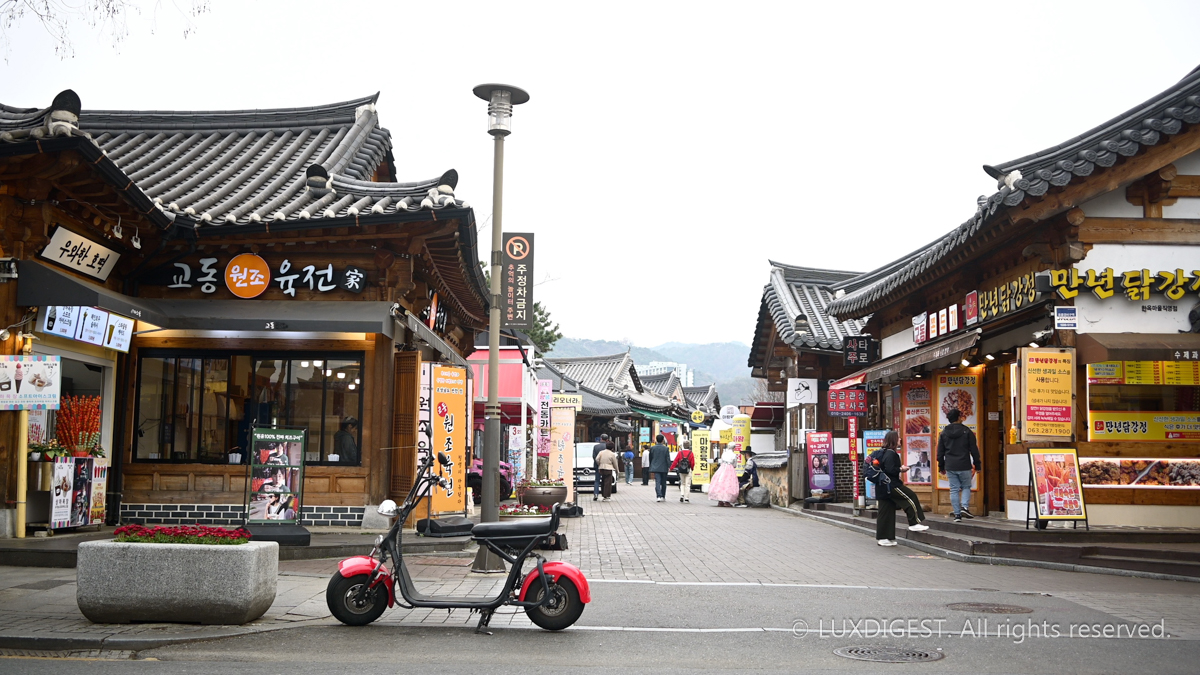
When it comes to the scale of a traditional hanok village, few places compare with Jeonju Hanok Village.
The village is home to around 700 hanok houses, laid out in a remarkably orderly, grid-like pattern.
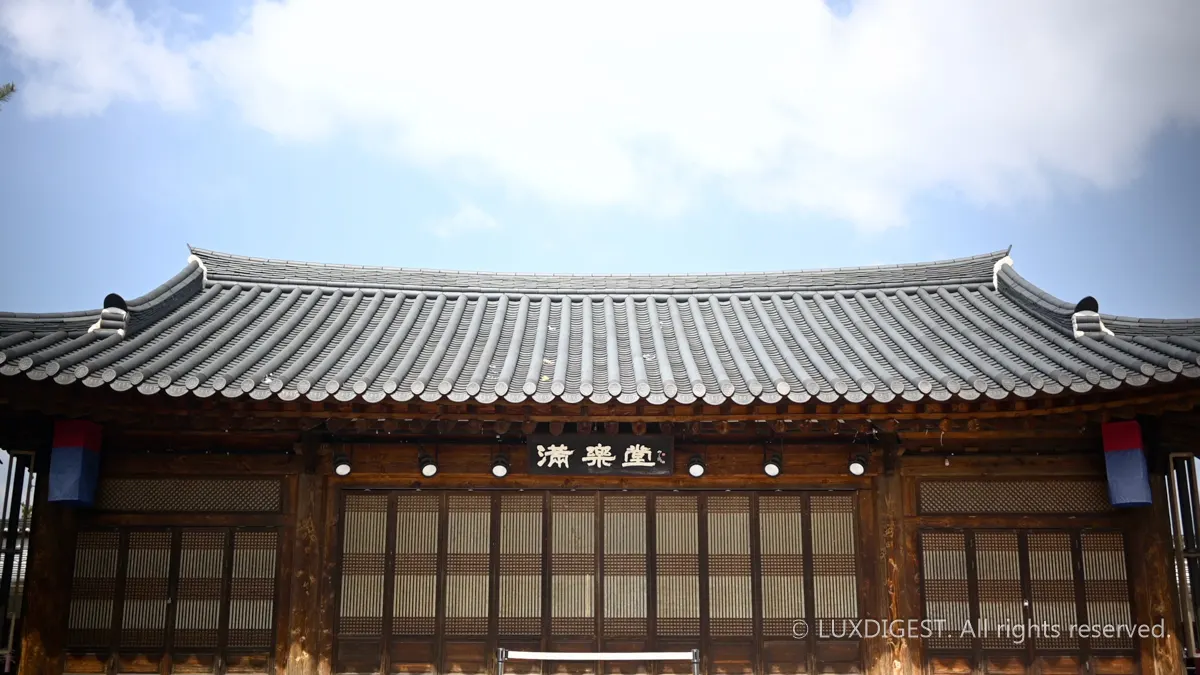
The building shown in the photo above is Jeonju Daesaseupcheong.
I noticed the attractive building while walking past and stepped inside, only to discover that it was a performance venue.
Jeonju Daesaseupcheong
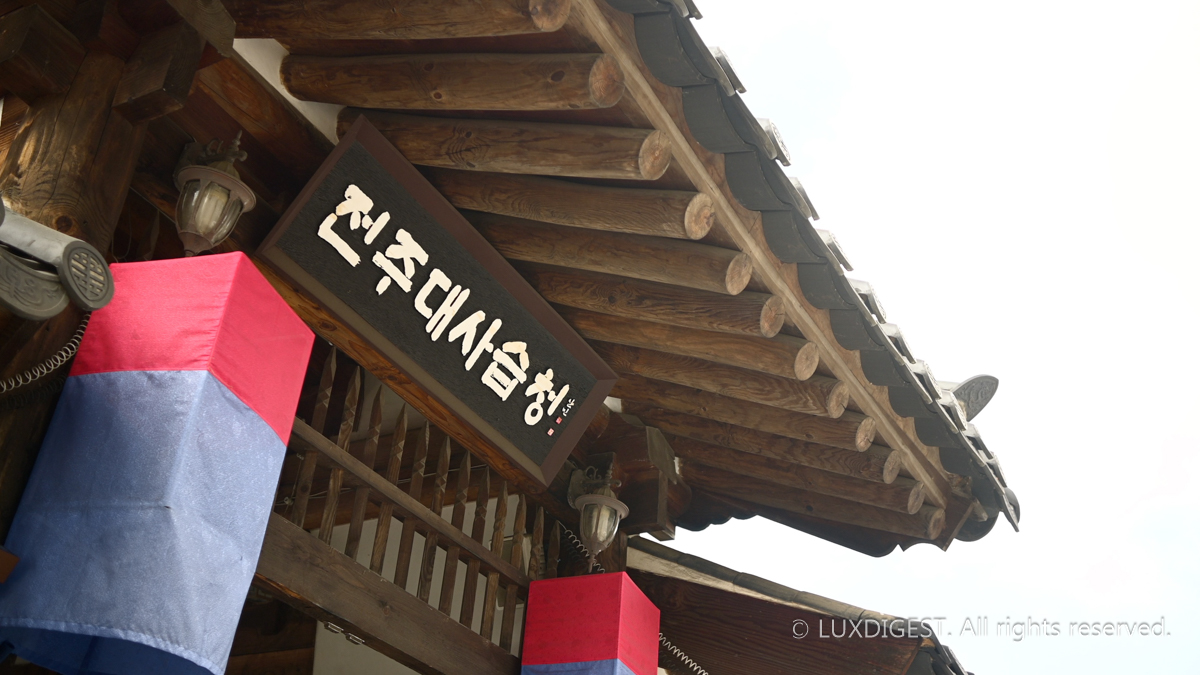
Location: 56 Hanji-gil, Wansan-gu, Jeonju, Jeollabuk-do (inside Jeonju Hanok Village)
Main programs: Traditional Korean music performances and hands-on traditional arts experiences
Historical exhibitions related to Jeonju Daesaseup Nori
Seasonal regular and special performances (see the official Jeonju Daesaseupcheong website for the schedule)
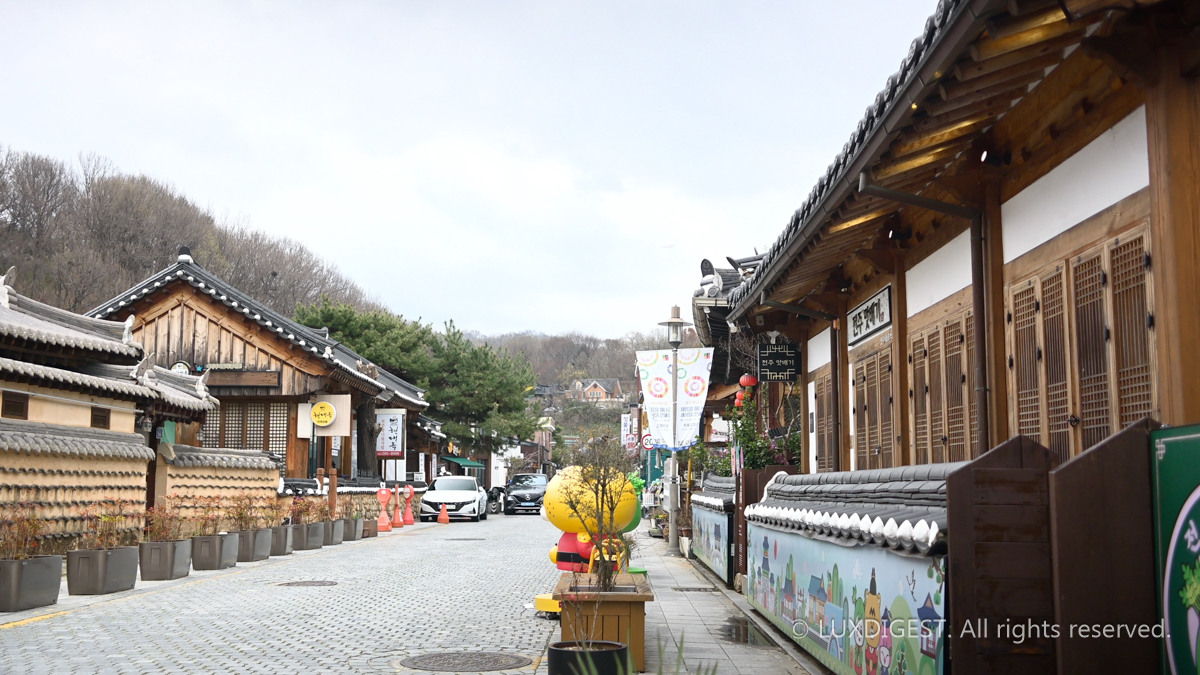
It had been a long time since I last visited Jeonju, so the city felt surprisingly unfamiliar. Yet the sight of international visitors strolling around in hanbok looked completely natural, a sign that the area has established itself as a popular new tourist destination.
There are plenty of places to eat, along with numerous hanbok rental shops, photo studios and other experience spaces.
I also found many shops and venues where visitors can view or purchase traditional handicrafts.
There are several free attractions as well. The Hanok Library was worth a visit, and the Traditional Liquor Museum was also enjoyable.
For a panoramic view of the village, you can climb Omokdae.
Although there are quieter corners, much of the village tends to be busy overall.
A good way to begin a trip to Jeonju is to explore Hanok Village first, then visit nearby sights such as Gyeonggijeon, Jeondong Cathedral, Pungnammun Gate and Jeonju Gamyeong, spreading them out over several walks.
I’ll cover those places in more detail in a future post.
That’s all for now.