Would you like to experience the time when winter migratory birds move between the reeds and the water surface, and to see the Gocheonam Reservoir at sunset and sunrise?
Gocheonam Reservoir is a place where you can see a vast expanse of reeds and a large flock of migrating ducks, specifically the Gyechang duck, performing their synchronized flight from December to February – all in one location. It is the largest of its kind in the country.
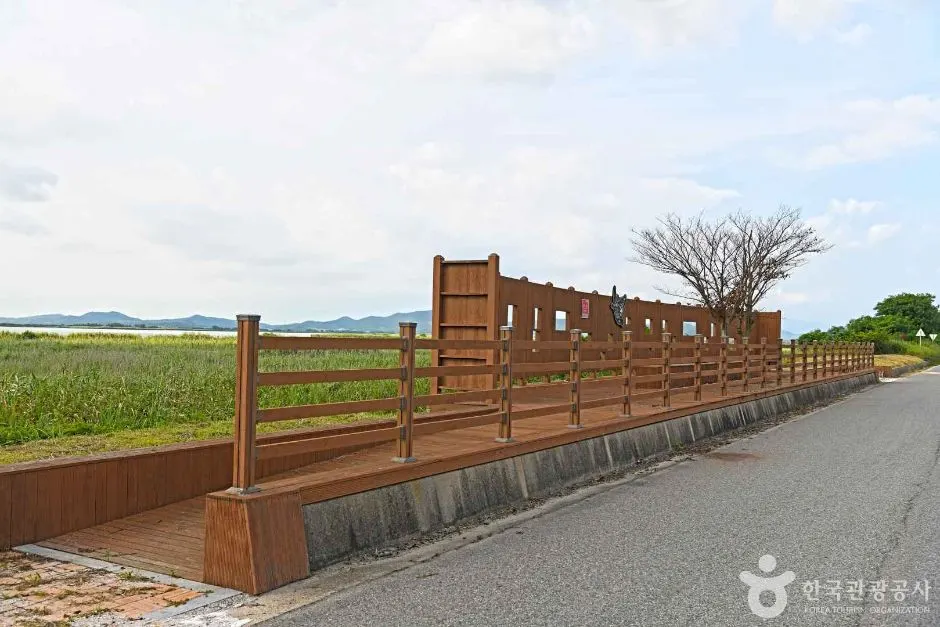
Jeonnam-Gwangju Metropolitan Area The artificial freshwater lake, Gocheonam Reservoir, located in Hwangsan-myeon, Haenam County, is a bird sanctuary where reeds, a vast water surface, and a dike road all appear in a single view. In particular, around sunset and sunrise, flocks of Baikal teal move between the sky and the water surface, suggesting that even ducks have a commute.
This is a scene of Gocheon Reservoir, created by the combination of reeds and a lake.
The Gocheonam Lake reed fields, located in the Buhori area of Haenam-eup to the Yeongok-ri area of Hwasan-myeon, are described as covering an area of approximately 500,000 pyeong (about 165 acres) over a distance of about 3 km. The area around the lake features approximately 14 km of reed fields, water surface, and an embankment road, offering the enjoyment of seeing changing scenery as one moves from one point to another.
This artificial lake was created by reclaiming the coastline on the west side of Haenam. The Gocheonam seawall and surrounding land reclamation projects transformed the sea and tidal flats into farmland and a freshwater lake, with the seawall being completed in October 1988. In 2004, two artificial wetlands, with a combined area of 10.76 hectares, were also created to improve water quality and conserve and maintain the ecosystem.
Rare birds such as the black stork and vultures have been observed, and according to official information from the Korea Tourism Organization, a total of 54 bird species have been recorded. The film and television dramas “Haeshin,” “Seopyeonje,” and “The General’s Son” were filmed against the backdrop of the reed fields, so you can enjoy the combination of natural scenery and film scenes.
While resembling Suncheon Bay, Gocheonamho is viewed from the road.
Suncheon Bay Wetland is similar to other wetlands in that it features extensive reed beds and migratory birds, but its main attractions are the black-necked cranes and the tidal flat and wetland exploration facilities. At the center of Gocheonam Reservoir, there is an artificial freshwater lake, a dike road, and the synchronized flight of Baikal teal.
The reed fields of Sinseong-ri and the migratory bird habitats at the mouth of the Geum River are characterized by the riverside reed landscape along the Geum River. Junnam Reservoir has distinct observation and educational facilities, including birdwatching platforms and the Ramsar Culture Center. Gocheonam Reservoir is known for its vast reed fields, lake, reclaimed land, and embankments, offering a scenic experience as one slowly drives along its perimeter.
This difference also changes the way one travels. Instead of staying in one viewpoint for a long time, the focus is on moving to find scenes where water, reeds, farmland, and low mountains overlap.
There are reasons for everyone to watch it, from parents to children.
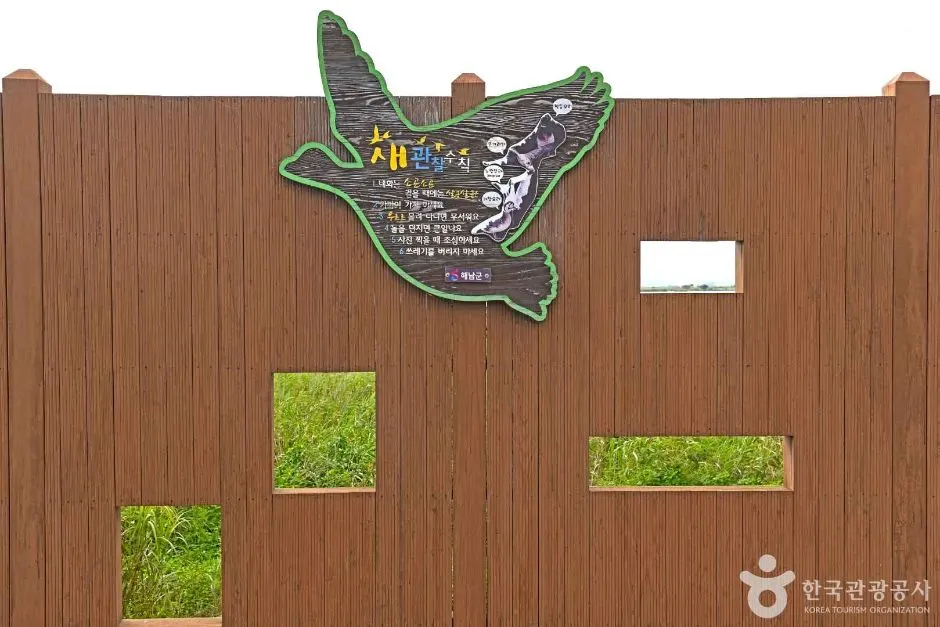
This is a place where those who love migratory birds and natural landscapes can find rare birds such as the black stork and vultures, as well as the synchronized flight of Baikal teal. By bringing binoculars or a camera with a telephoto lens, you can enjoy observing the birds without getting too close.
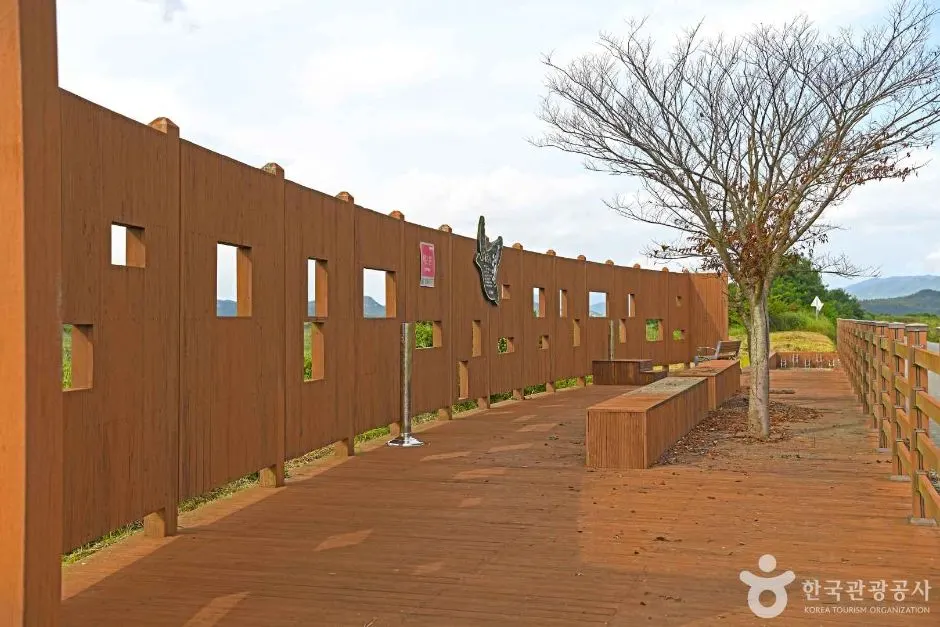
When traveling with parents, it is ideal to drive around the embankment and enjoy the vast expanse of water and the reed fields. Since you can see the scenery of the southern region without a long hike, it would be a good idea to take a break and rest for a while during the trip, which will make the overall experience more comfortable.
When you are with a child, observe the reeds and the water surface to see where the winter migratory birds are resting and moving. However, it is essential not to approach the birds too closely or make loud noises. The quieter nature observation is, the longer it can continue.
Before the sunset, read “A Day in Gocheon Fortress.”
If you go with a loved one or a friend who enjoys photography, before sunset, look for a spot along the roads surrounding the lake where you can see both the reeds and the water surface. There are plenty of opportunities to capture reeds, the water surface, and the silhouettes of migratory birds in a single frame, and you can also enjoy comparing the light during the day and in the evening from the same location.
If you enjoy observing migratory birds, whether you are alone or in a small group, it is best to visit between December and February, ideally during sunrise or sunset. This is because this is the peak time for the synchronized flight displays of the Greater Scaup. The location and size of the flock may vary each year, so while waiting for a specific sighting, also observe the changes in the reeds and the water surface.
If you enjoy movies and dramas, you might want to watch “Seopyeonje” and “The General’s Son” beforehand and then compare the scenery of the reeds and the embankment. For first-time visitors to Haenam, you can combine a visit to the Gosan Yun Seondo historical site and the Ttangkkeut Observatory, added as stops after Gocheonam Reservoir, to experience nature, history, and a panoramic view all in one trip.
The key is to not rush along the 14km path.
Gocheonam Observatory is best enjoyed not just by viewing from a single vantage point, but by slowly driving along the embankment and roads surrounding the lake, allowing you to observe the changing scenery. To take sunset photos, it is best to find a spot with an unobstructed view of the water surface before the sun sets. During sunset and dawn, it is advisable to avoid approaching migratory birds too closely.
When driving on the embankment road, please maintain a low speed and avoid making loud noises or drawing unnecessary attention. From late autumn to winter, you can enjoy the scenery of reeds, the water surface, and migratory birds. It is recommended to prepare for the cold weather. The peaceful movement of the birds is more important than taking impressive photos.
Behind the winter scenery of Gocheonam, it connects to other landscapes of Haenam.
From December to February, the Baikal teal spend the winter and perform synchronized flock formations. The best times for observation are at sunset and dawn, making it ideal to witness the beginning or end of the day at Gocheonam Observatory.
At the Gosan Yun Sun-do Historic Site, visitors can explore the literature and regional culture of Haenam during the Joseon Dynasty through Nokwudang and artifacts and museums related to Yun Sun-do. From the Ttangkkeut Observatory, one can enjoy a wide-ranging view of the South Sea and the Tangeup area. At Daeheungsa Temple, visitors can experience the forests on the slopes of Duryunsan Mountain and the Buddhist cultural landscape.
The address and navigation are straightforward when using a vehicle.
The address is 752-14, Gocheonam-ro, Hwangsan-myeon, Haenam-gun, Jeonnam-Gwangju Integrated Special City. You can reach it by car from Haenam-eup, using the Gocheonam Lake Loop Road and the roads around the embankment. Along the roads around the lake, you can easily see reed fields and the water surface.
Parking is available, and slow driving is recommended on the embankment road. Traveling around the lake by car is a good option for experiencing the expansive scenery, especially compared to using public transportation.
This is a migratory bird habitat that is open to the public free of charge and year-round.
Admission is free, and the space is open for use at all times. It is an outdoor natural space with no separate information on whether reservations are required or how to make them.
It operates year-round, and for inquiries, please call 061-532-1330. As for the Haenam County Culture and Tourism homepage, if you visit from December to February, please prepare for the cold weather and bring magnification equipment, and choose to observe the birds without approaching them closely or making loud noises.