- Does a black peel indicate that something is spoiled?
- Even after bananas are brought home, they continue to ripen.
- The answer is to change the storage method depending on the color.
- The rate of ripening is affected by ethylene and temperature.
- Refrigerators and plastic bags are not all-purpose solutions.
- First, decide whether you will eat it today or save it for later.
- Frequently Asked Questions.
- Recommended WordPress Plugins
The bananas were yellow until yesterday, but this morning, there are black spots on the peel. However, this does not necessarily mean they are rotten.
There are some questions I am genuinely curious about. How much should one trust this black peel? To preserve the taste and texture for a long time, which storage method should be chosen: room temperature, refrigeration, or freezing?
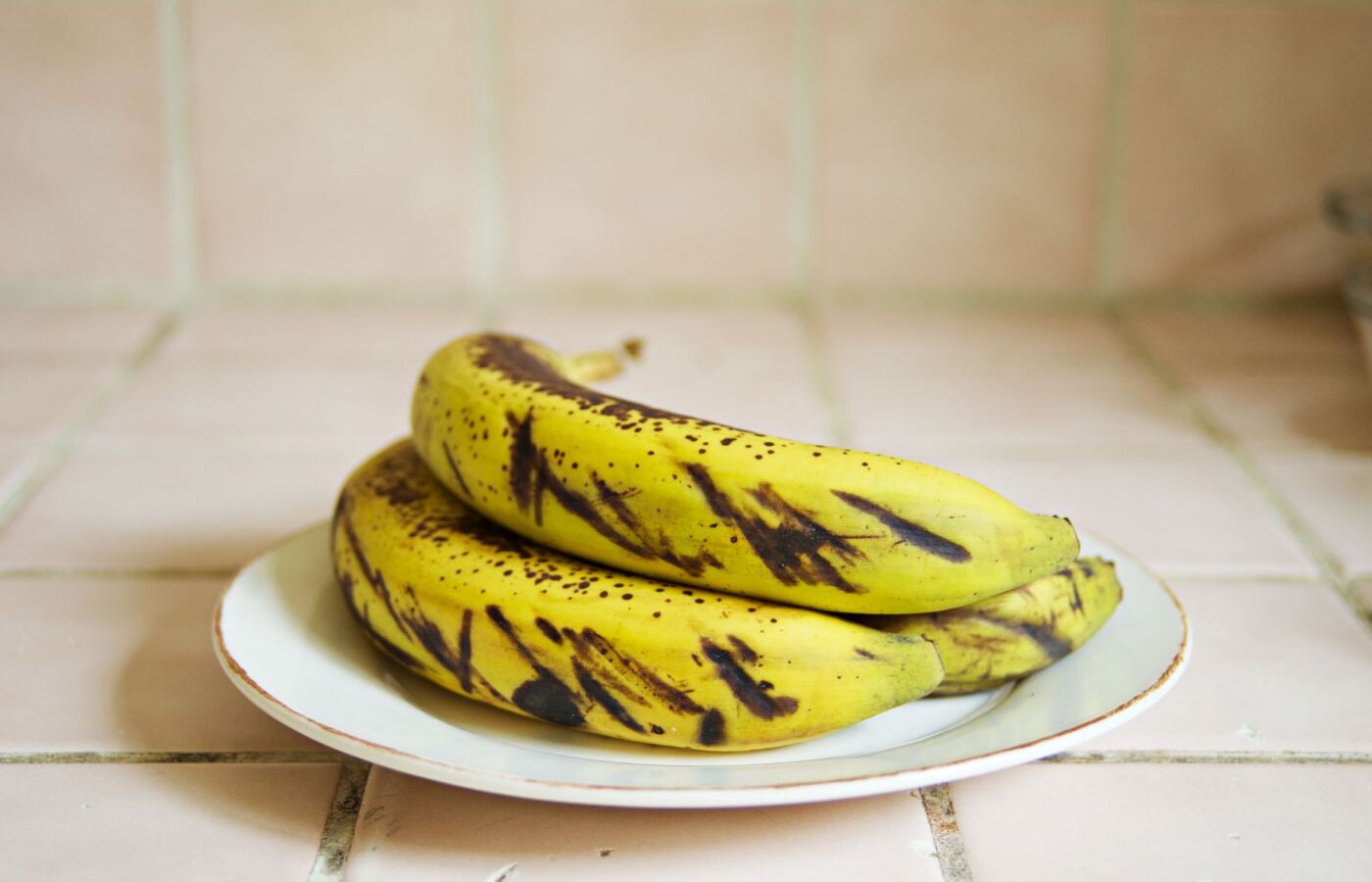
Does a black peel indicate that something is spoiled?
Bananas are a typical fruit that continues to ripen even after being harvested. Initially green, they turn yellow, develop brown spots, and the flesh gradually becomes softer.
During ripening, the starch inside the banana is converted into sugar. Therefore, a fully ripe banana is sweeter and has a stronger aroma than an unripe banana.
However, the peel and the flesh do not change at the same rate.
In particular, bananas stored in the refrigerator may have their peels turn brown or black first. If you assume that the entire banana is spoiled just by looking at the peel, you may end up discarding a perfectly good snack.
You cannot judge something based solely on its peel.
Even after bananas are brought home, they continue to ripen.
In supermarkets and wholesale stores, bananas are placed in ripening rooms to achieve the desired level of ripeness at the time of sale. This process involves controlling the temperature and ethylene gas to achieve the desired condition for sale.
Ethylene is a substance that acts when fruits ripen. The reason why bananas suddenly turn yellow and develop black spots at home is because this ripening process continues within the banana.
When you buy a bunch of bananas, it can easily pass its ideal eating point within a few days.
Therefore, the storage location is important.
Colorado State University Extension materials state that bananas typically ripen in 1 to 3 days at room temperature, and that they can be stored at room temperature for a few more days after ripening.
The answer is to change the storage method depending on the color.
Place the green bananas at room temperature. When displaying related content, such as storage instructions for room temperature, refrigeration, or freezing, you can group them together within a single solid box using DecoBlocks’ Section Box (Solid).
For bananas that are yellow and ready to eat, store them in the refrigerator to slow down the ripening process. For bananas that are overripe, freeze them.
- If it is green or still has a greenish tint, leave it at room temperature in a well-ventilated place.
- If it is yellow and in good condition for consumption, leave the amount needed at room temperature, and store the rest in the refrigerator.
- If the fruit has many black spots and will soon become difficult to eat, peel it and freeze it.
Bananas are recommended to be ripened at a temperature of 15 to 20 degrees Celsius. The United States Department of Agriculture also advises that bananas should not be refrigerated at home, but rather kept in a dry place with a temperature of approximately 16 to 21 degrees Celsius.
Do not put unripe bananas in the refrigerator from the beginning.
This is because the aging process can be disrupted before the flavors and aromas have fully developed.
The rate of ripening is affected by ethylene and temperature.
As bananas ripen, they naturally release ethylene. This substance causes the peel to change from green to yellow, the flesh to become softer, and the starch to convert into sugar.
Temperature also affects the rate of ripening. At temperatures of 20 to 30 degrees Celsius, ripening occurs more quickly, and the flesh may become excessively soft.
On the other hand, if kept at a temperature of 12 degrees Celsius or lower for an extended period, it can suffer from cold damage. Because normal maturation may be hindered, it is best to avoid placing it in the coldest part of the refrigerator or near the freezer.
The refrigerator slows down the ripening process, but it cannot restore the peel to its original yellow color if it has already changed.
Refrigeration does not have the magical ability to restore color.
It is only a way to temporarily maintain the current state.
Refrigerators and plastic bags are not all-purpose solutions.
Bananas that still have a greenish hue should be placed in a well-ventilated area at room temperature without being washed. Avoid placing them in direct sunlight, near a gas stove, or near a heater, as these are hot locations. Observe the color and condition of the bananas for 1 to 3 days.
If it is already yellow and ready to eat, leave only the amount you will eat at room temperature. The rest can be moved to the refrigerator, which will extend its shelf life for a few more days.
However, if you refrigerate unripe bananas too early, they may not develop their full sweetness and aroma.
Avoid sealing bananas in a plastic bag without any holes. A lack of oxygen and excess moisture can cause them to become mushy or develop an unusual odor.
In the experiment, the packaging with micro-holes was found to be more suitable than the packaging without holes. At home, it is safer to place the item in a well-ventilated area rather than tightly wrapping it.
Well-ventilated areas are safe.
Simply covering the stem with something does not stop the ripening process itself. The key to changing the condition of a banana ultimately depends on temperature and the time of storage.
First, decide whether you will eat it today or save it for later.
If you want to eat yellow bananas in a few days, choose ones that still have a greenish tint. Place them in a cool, well-ventilated room at room temperature, and when they turn yellow, which is when they are at their best, move them to the refrigerator.
Bananas that are already yellow and will be eaten today or tomorrow should be left at room temperature. If it is difficult to eat an entire bunch at once, you can divide them and store only the remaining ones in the refrigerator.
If a banana has many black spots and is not suitable for eating raw, do not attempt to “revive” it by putting it in the refrigerator.
First, peel the fruit and cut it into pieces 2 to 3 centimeters in size.
- Lay out the pieces without overlapping them.
- Place in the freezer for 1 to 2 hours beforehand.
- Once it solidifies, transfer it to an airtight container.
When frozen bananas are thawed, the flesh becomes soft.
When added to smoothies, banana bread, or pancake batter, the change in texture is not a disadvantage, but rather enhances the qualities of the ingredients.
Ultimately, the storage method is not a technology that keeps bananas fresh and young for a long time.
The process involves determining the optimal flavor profile and then adjusting the storage conditions – whether it’s at room temperature, in the refrigerator, or in the freezer – to maintain that flavor.
Frequently Asked Questions.
Q. Can bananas with blackened peels still be eaten?
A. You cannot determine whether the inside is spoiled based solely on the color of the peel. Peel the skin and check the condition of the flesh to see if it is in a good state to eat.
Q. Can green bananas be put directly into the refrigerator?
A. We do not recommend refrigerating it. Refrigerating it too early can interfere with normal ripening, which may prevent the full development of its flavor and aroma.
Q. How should overripe bananas be stored?
Peel the fruit, cut it into 2-3 centimeter pieces, and arrange them without overlapping. Freeze for 1-2 hours. Then, transfer them to an airtight container. After thawing, they are best used in smoothies or baking.