
7 Ways to Protect Your Eye Health — Practical, Evidence-Based Strategies
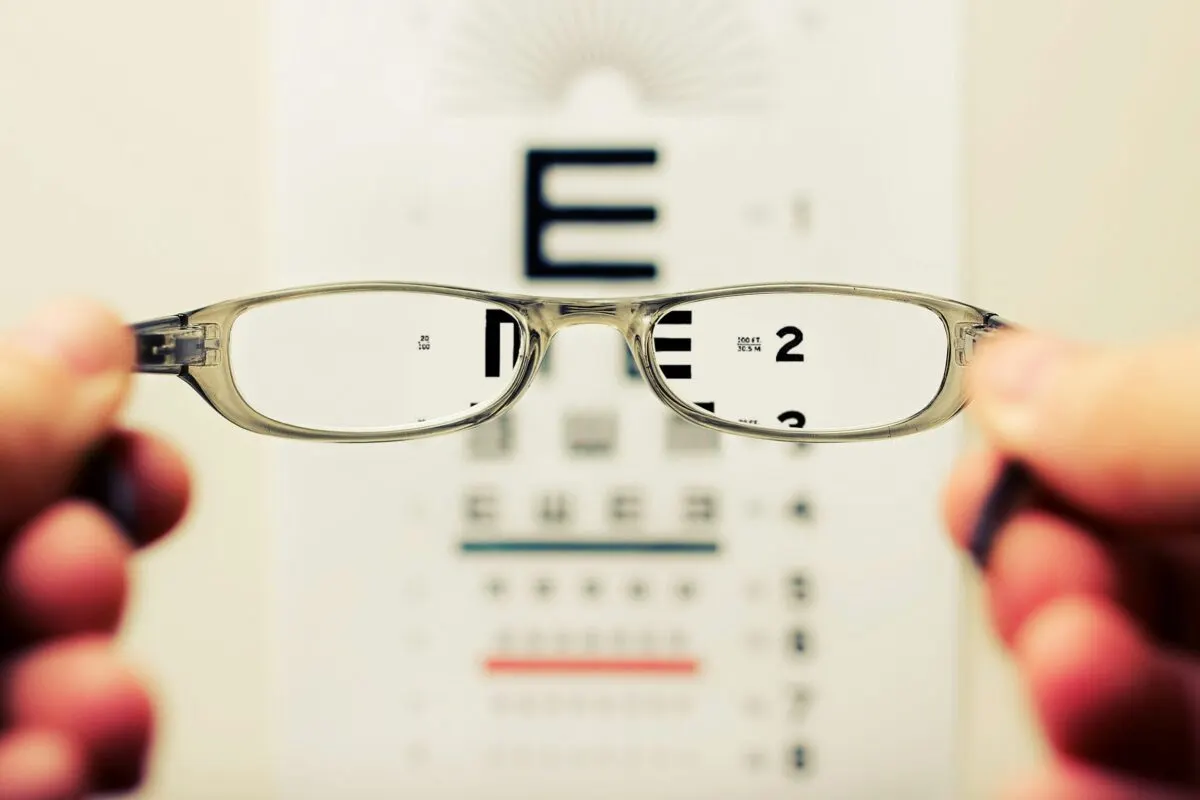
When you add up all the time you spend looking at your smartphone and computer screen each day, how many hours does it come to?
The eyes are among the hardest-working organs in the body, yet they are easy to neglect until they begin sending out warning signs.
The challenge is that eye tissue—particularly the optic nerve and retina—can be difficult to repair once it has been damaged. From a medical perspective, protecting your vision is less about finding a magic solution than consistently following a handful of habits backed by evidence.
Here are seven ways to protect your eye health, along with the science behind each one and practical tips for incorporating them into daily life.
1. Manage Digital Eye Strain with the 20-20-20 Rule
Why it matters
Staring at a computer monitor for long periods can damage the cornea, affect vision and interfere with the eye’s ability to produce enough tears to stay properly lubricated.
In fact, an estimated half of people who work in front of a computer every day experience digital eye strain.
The American Optometric Association recommends the 20-20-20 rule: Every 20 minutes, look at something about 20 feet—or roughly 6 metres—away for 20 seconds.
A study by researchers from Spain, Slovakia and the United Kingdom found that participants who followed the rule experienced noticeable reductions in symptoms including dry eyes, sensitivity and discomfort.
The principle is simple. Focusing on a nearby screen for extended periods keeps the ciliary muscles inside the eye under constant tension. Looking into the distance allows them to relax, while consciously blinking helps spread the tear film evenly across the eye.
How to put it into practice
Setting a smartphone timer or reminder app to alert you every 20 minutes can make the habit much easier to maintain.
Closing your eyes briefly can help by reducing visual stimulation, but the key to the 20-20-20 rule is allowing the focusing muscles to relax by looking at something in the distance. Whenever possible, actually look far away rather than simply shutting your eyes.
2. Get Antioxidant Nutrients Such as Lutein and Zeaxanthin
Why it matters
Lutein is an antioxidant pigment concentrated around the outer part of the macula, while zeaxanthin is concentrated in its centre. Both can help manage age-related eye conditions such as macular degeneration.
According to AREDS2, a large clinical trial conducted by the National Eye Institute, consistently taking these antioxidant nutrients was found to slow the progression of macular degeneration by about 25 per cent.
That does not mean, however, that everyone needs these nutrients in the same way.
Ophthalmologists say people without signs of macular degeneration do not necessarily need to take them. For people with diabetic retinopathy, controlling blood sugar is more important, while those with glaucoma should prioritise medication to lower eye pressure.
In other words, lutein and zeaxanthin may be more meaningful options for people who already show early signs of macular degeneration or are concerned about declining vision.
How to get enough
Lutein and zeaxanthin are fat-soluble, so taking them just after a meal containing some fat improves absorption compared with taking them on an empty stomach.
The recommended daily intake is roughly 10–20 milligrams combined, and both nutrients can also be obtained from leafy greens such as spinach and kale.
For smokers, however, some reports have linked high doses of carotenoids with an increased risk of lung cancer. Anyone considering supplements should therefore consult a healthcare professional.
3. Manage Dry Eyes with Omega-3 Fatty Acids
Why it matters
Omega-3 fatty acids—EPA and DHA—are best known for supporting cardiovascular health, but evidence also suggests they may help relieve dry eyes.
Tears have a three-layer structure consisting of a lipid layer, an aqueous layer and a mucous layer. Omega-3s are thought to improve the stability of the lipid layer, helping prevent tears from evaporating too quickly.
Accumulated eye strain can lead not only to dry eye disease, but also to tension headaches, eyelid spasms and pain triggered by bright light. Maintaining a stable tear film is therefore more than a way to ease discomfort—it is a foundation of overall eye care.
How to get enough
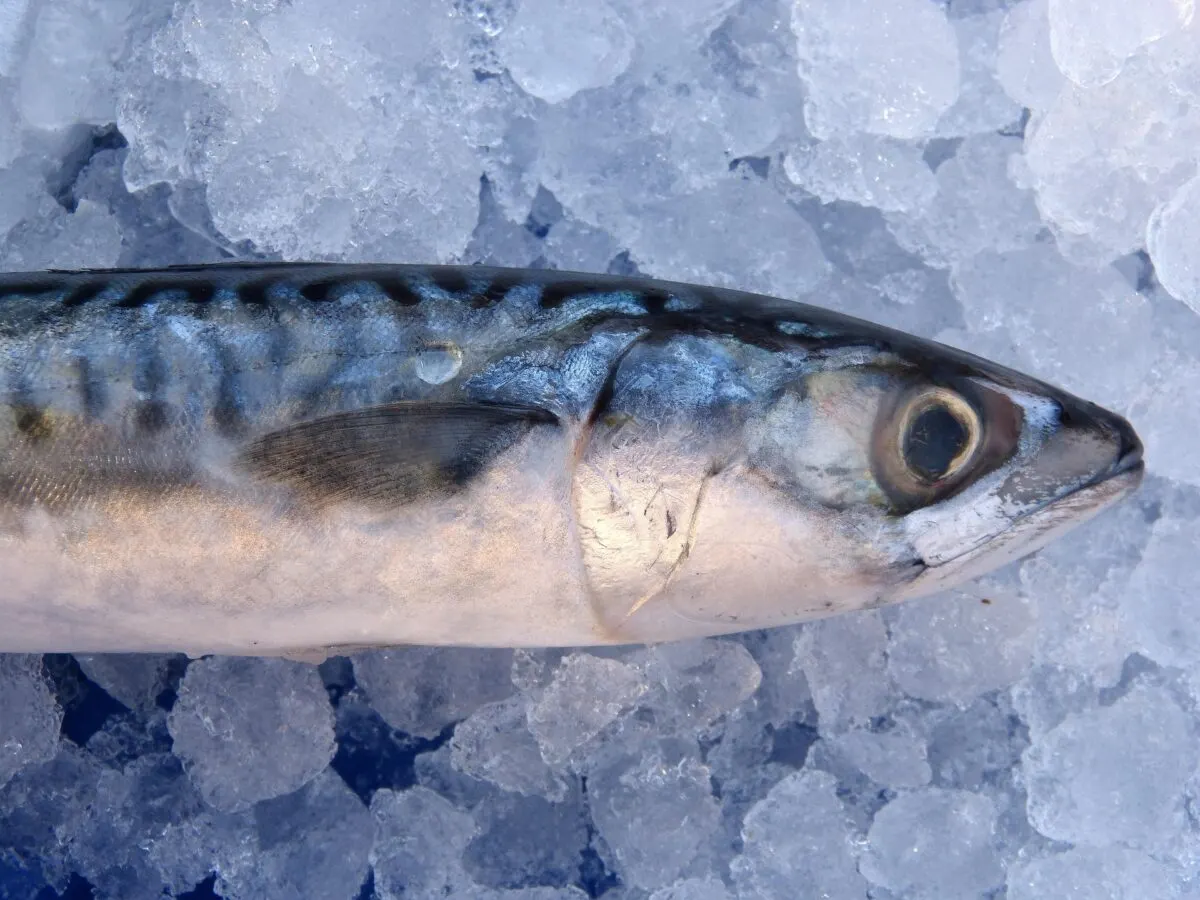
The most natural approach is to eat oily fish such as mackerel or salmon two to three times a week.
If it is difficult to get enough through your diet, an omega-3 supplement may be an option. If you have other medical conditions or take blood thinners, consult a healthcare professional first.
4. Wear Sunglasses That Block UV Rays
Why it matters
Long-term exposure to ultraviolet (UV) rays can oxidise proteins in the lens and cause them to degenerate, increasing the risk of cataracts.
UV rays and short-wavelength blue light are also known to cause oxidative stress in the retinal pigment epithelium, making them closely associated with macular degeneration. UV exposure has also been linked to pterygium and dry eye disease.
Brief exposure to intense UV rays can burn the cornea, causing photokeratitis and severe pain.
The important point is that this kind of UV damage is not limited to summer.
UV rays are present even on cloudy days and in winter, so sun protection should become part of your daily routine year-round.
How to put it into practice
When choosing sunglasses, check their UV protection before considering their style.
Products rated UV400 or higher, blocking 99 per cent of UV-B and at least 50 per cent of UV-A, are recommended.
Be wary of sunglasses that are merely darkened to block visible light without actually filtering UV rays. They can cause the pupils to dilate, allowing even more UV radiation to enter the eyes.
UV-protective coatings on lenses can deteriorate over time, so it is worth considering replacement after about four years.

5. Take Proper Care of Your Contact Lenses
Why it matters
Contact lenses can interfere with the flow of tears and cause tiny injuries to the corneal epithelium. Poor lens care can therefore lead to infectious keratitis.
Keratitis is the most common complication associated with contact lens use. If left untreated, it can cloud the cornea and cause vision loss or, in severe cases, blindness.
Washing lenses with tap water or wearing them in swimming pools or public baths is particularly risky because it can expose the eyes to organisms such as Acanthamoeba. These infections can progress quickly and are difficult to treat.
How to put it into practice
Always wash your hands with soap before and after handling lenses, then dry them completely. Avoid touching lenses with hands that still have alcohol-based sanitiser on them, as it can damage the corneal epithelium.
Replace the solution in the lens case every day and let the case dry completely before reusing it. The case itself should be replaced every three to six months.
As a general daily limit, wear rigid lenses for about 10 hours, soft lenses for about eight hours and cosmetic coloured lenses for about four hours. Remove lenses before swimming, bathing or showering.
Never share or swap lenses with another person, as this can directly transmit bacterial infections.
6. Quit Smoking
Why it matters
Smoking is widely known to damage the lungs and cardiovascular system, but its effects on the eyes are less widely recognised.
Harmful substances in cigarette smoke can damage the retina and optic nerve, trigger inflammation and interfere with blood flow to the retina.
As a result, smoking is thought to raise the risk of serious eye conditions—including macular degeneration, glaucoma and retinal vein occlusion—by two- to fourfold. Reports also suggest that smoking may be linked to as many as 20 per cent of blindness cases after age 50.
Compounds in cigarette smoke have also been found to cause iron accumulation, which can damage corneal epithelial cells.
Korea’s National Health Information Portal lists smoking as a major risk factor for age-related macular degeneration and recommends quitting as a preventive measure.
How to put it into practice
Quitting completely is the most reliable approach, but if that feels difficult right away, even cutting down can help lower the risk.
Smokers who have already been diagnosed with macular degeneration should also be careful when choosing antioxidant supplements. Products containing beta-carotene may increase the risk of lung cancer in smokers, so it is safest to choose supplements after consulting a healthcare professional.
7. Have Regular Eye Exams
Why it matters
Glaucoma gradually damages the optic nerve, making it especially dangerous because damage to the nerve cannot be reversed with treatment.
Most glaucoma produces no obvious symptoms until it has reached an advanced stage. That is why regular screening is considered essentially the only way to detect it early.
One study in South Korea found that about one-third of people suspected of having glaucoma during comprehensive health screenings were ultimately diagnosed with glaucoma or classified as glaucoma suspects.
The risk of developing glaucoma rises sharply from the 40s, when age-related vision changes typically begin, making regular eye exams particularly important from this point onward.
How to put it into practice
Adults aged 40 and over are advised to have an eye examination every year, including an eye-pressure measurement and a dilated retinal examination.
People with a family history of glaucoma, severe myopia, diabetes or high blood pressure should be especially proactive about screening.
Contact lens wearers should also schedule a separate eye examination once or twice a year, given the risk of corneal damage.
If straight lines appear bent or the centre of your field of vision becomes difficult to see, visit an ophthalmologist immediately, even if it is not yet time for your routine examination.
Seven Strategies, One Guiding Principle
From the 20-20-20 rule and antioxidant nutrients to omega-3s, UV protection, lens hygiene, quitting smoking and regular check-ups, these seven strategies take different approaches but share one principle: protect your eyes before they are damaged.
Damage to the cornea, optic nerve or macula is often extremely difficult—or impossible—to reverse. That makes consistent care before symptoms appear far more effective than waiting until something goes wrong.
You do not have to adopt all seven habits perfectly at once.
If you spend a lot of time on digital devices, start with the 20-20-20 rule. If you are over 40, begin with regular eye exams. If you smoke, make quitting your first priority. Choosing the most relevant starting point and building from there is the most realistic approach.
Frequently Asked Questions (FAQ)
Q1. Should I take lutein supplements as a preventive measure even if I have no vision problems?
Not necessarily. Ophthalmologists say that lutein and zeaxanthin supplements are not essential for people without signs of macular degeneration. A healthy diet centred on leafy greens, UV protection and quitting smoking should come first. If you are particularly concerned about your vision or have early signs of macular degeneration, consider supplements after speaking with an eye specialist.
Q2. Do I need to wear sunglasses on cloudy days?
Yes. UV rays pass through clouds to a significant extent and can still reach your eyes on overcast days. UV protection should not be limited to bright summer weather; using it year-round, regardless of the season or forecast, is more effective for helping prevent cataracts and macular degeneration.
Q3. Is it dangerous to take a short nap while wearing contact lenses?
Recommended wearing times vary by lens type, and exceeding them reduces the amount of oxygen reaching the cornea. Even a short nap can become risky if sleeping in lenses becomes a repeated habit, increasing the risk of corneal hypoxia and infection. Whenever possible, remove your lenses before resting.
Q4. Can quitting smoking restore eye health that has already deteriorated?
Quitting cannot reverse existing macular degeneration or damage caused by glaucoma. It can, however, clearly help slow the progression of disease and prevent further damage. Anyone with a history of smoking should be especially diligent about regular eye exams to understand and manage their current condition.
Q5. I’m in my 20s. Do I really need regular eye exams already?
Glaucoma screening becomes particularly important after age 40, but people under 40 with severe myopia or a family history of glaucoma are also advised to have regular exams. Younger people who spend a great deal of time on digital devices should not put off seeing an eye specialist if they develop symptoms of digital eye strain or dry eye disease. Regardless of age, blurred vision or lines that appear bent should be assessed immediately.