1. What Is LIV Golf—and Why Was It Created?
🇸🇦 The Saudi PIF’s Deep Pockets and Greg Norman’s Ambition
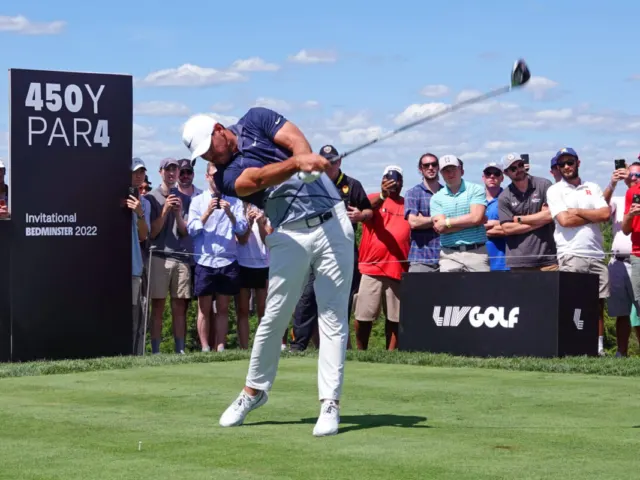
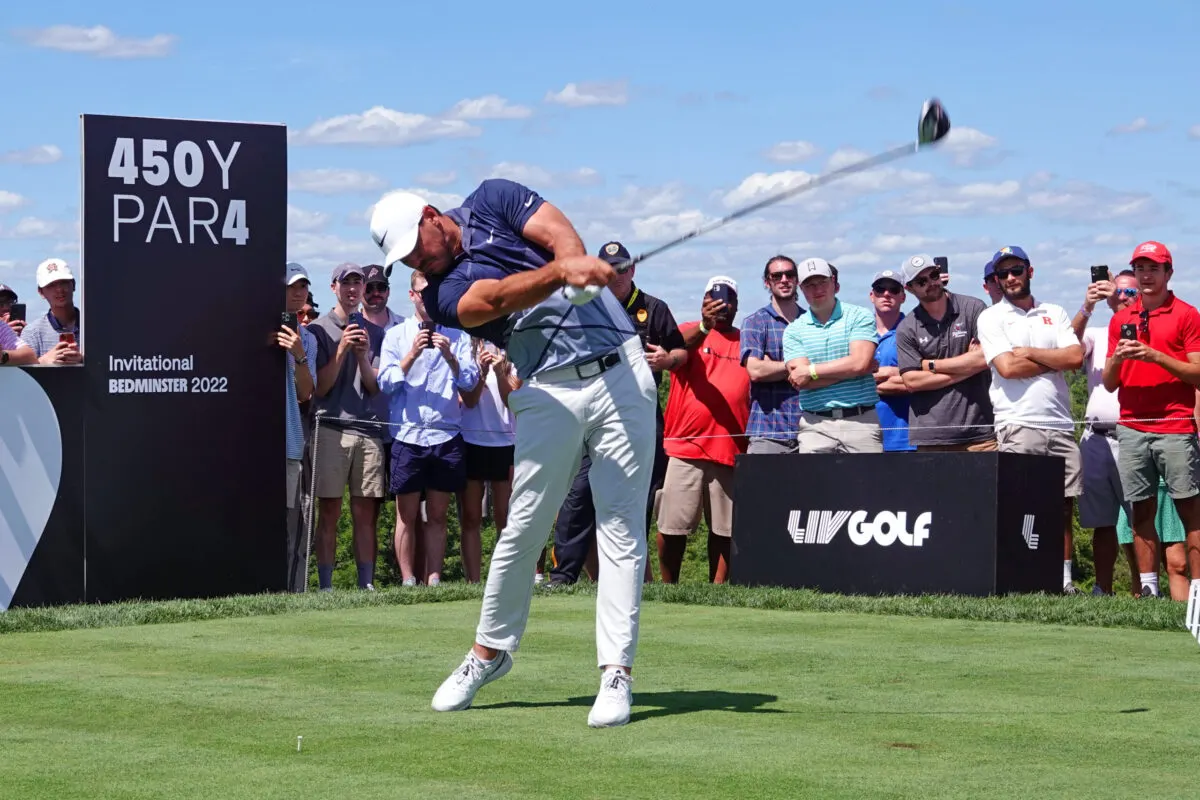
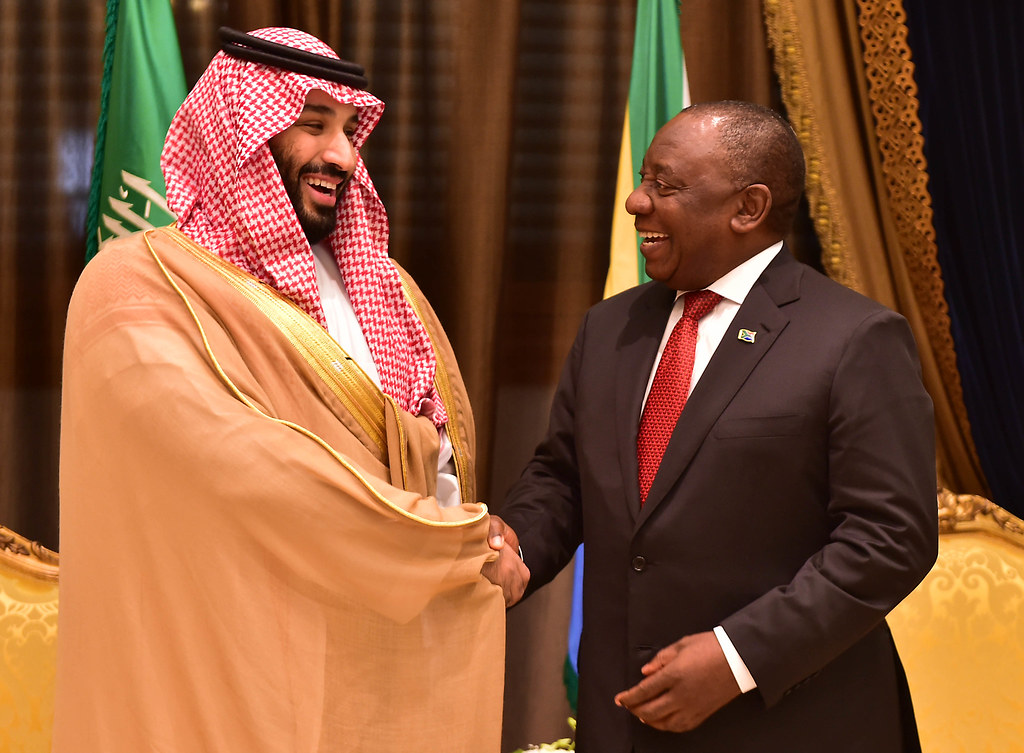
LIV Golf is a new professional golf tour launched in 2022 with the seemingly unlimited financial backing of the Public Investment Fund of Saudi Arabia (PIF). The name “LIV” is the Roman numeral for 54, reflecting the tour’s defining format: players compete over 54 holes across three rounds, rather than the 72-hole format traditionally used on the PGA Tour. The tour is led by legendary golfer Greg Norman, the former “Great White Shark,” who serves as its chief executive officer.
💡 Why Was It Created? A Challenge to the Existing System
- Turning golf into entertainment: In response to criticism from younger audiences that traditional golf is too formal and dull, LIV has embraced a festival-like atmosphere, complete with loud music and permission for players to wear shorts.
- A player-first compensation model: Although the PGA Tour generates enormous broadcasting revenues, players who missed the cut traditionally received no prize money. LIV Golf, by contrast, offered guaranteed payouts worth hundreds of millions of Korean won simply for taking part.
- Saudi sportswashing: While LIV publicly promotes the globalization and modernization of golf, it was fundamentally created as part of Saudi Arabia’s effort to pour astronomical sums into sport and launder the image of a regime widely condemned for human-rights abuses.
2. The Conflict With the PGA Tour—and the Problems It Created
From the moment LIV Golf launched, the PGA Tour branded it a “hostile invasion,” setting the stage for a bitter battle between the two organizations. The main points of conflict included the following.
Suspensions, Bans and Legal Battles
The PGA Tour imposed severe penalties on players who joined LIV Golf, including “a ban from PGA Tour events and suspension of their membership.” LIV players responded by filing an antitrust lawsuit against the PGA Tour, which countersued, turning the rivalry into a courtroom battle.
A Billion-Dollar Bidding War for Players
LIV Golf lured some of the PGA Tour’s biggest stars—including Phil Mickelson, Dustin Johnson, Brooks Koepka and Jon Rahm—with signing bonuses worth hundreds of billions of Korean won. Alarmed by the threat, the PGA Tour hastily responded by sharply increasing purses and introducing a system of elevated “Designated Events” with bonuses for top players.
The Dispute Over Official World Golf Ranking Points
Because LIV events have no cut and feature a limited field of just 48 to 54 players, the Official World Golf Ranking (OWGR) did not award them official ranking points. As a result, the world rankings of players who joined LIV plunged, threatening their eligibility for major championships such as the Masters and the U.S. Open. The issue remains a major point of contention.
The Twist: A Shock Merger Announcement and the Current Situation
After fighting as if they were determined to destroy each other, the two organizations stunned the world in June 2023 by suddenly announcing a “surprise merger and the creation of a jointly owned for-profit company.” Yet as of 2026, negotiations for a full integration remain unresolved. Antitrust investigations by the U.S. government—including the Justice Department and the Senate—as well as players’ fierce sense of betrayal have kept the process bogged down in detailed negotiations and uncertainty.
3. What the Players Really Think: “Money vs. Tradition”
Players have largely split into two camps—those who left and those who stayed—creating deep rifts among longtime colleagues and friends.
The LIV Golf Camp (Phil Mickelson, Jon Rahm, Brooks Koepka and Others)
- Pragmatism and quality of life: Their argument is simple: “Why wouldn’t I go? I can play fewer tournaments, spend more time with my family and secure an enormous guaranteed payday.”
- Support for change: They criticize the PGA Tour’s bureaucracy and monopoly-like structure, arguing that LIV’s team-based format represents the future of golf.
The PGA Tour Loyalists (Rory McIlroy, Tiger Woods, Scottie Scheffler and Others)
- Protecting honor and history: They defended the PGA Tour’s values, insisting that “history and tradition cannot be bought with money.”
- A sense of betrayal: Players who rejected Saudi Arabia’s enormous offers and remained loyal were furious when the PGA Tour leadership later moved to merge with the Saudi-backed PIF. Rory McIlroy, who had taken on the role of one of LIV’s most outspoken critics, was particularly disillusioned and has recently shifted toward a more neutral position.
4. How the Media Has Judged LIV Golf
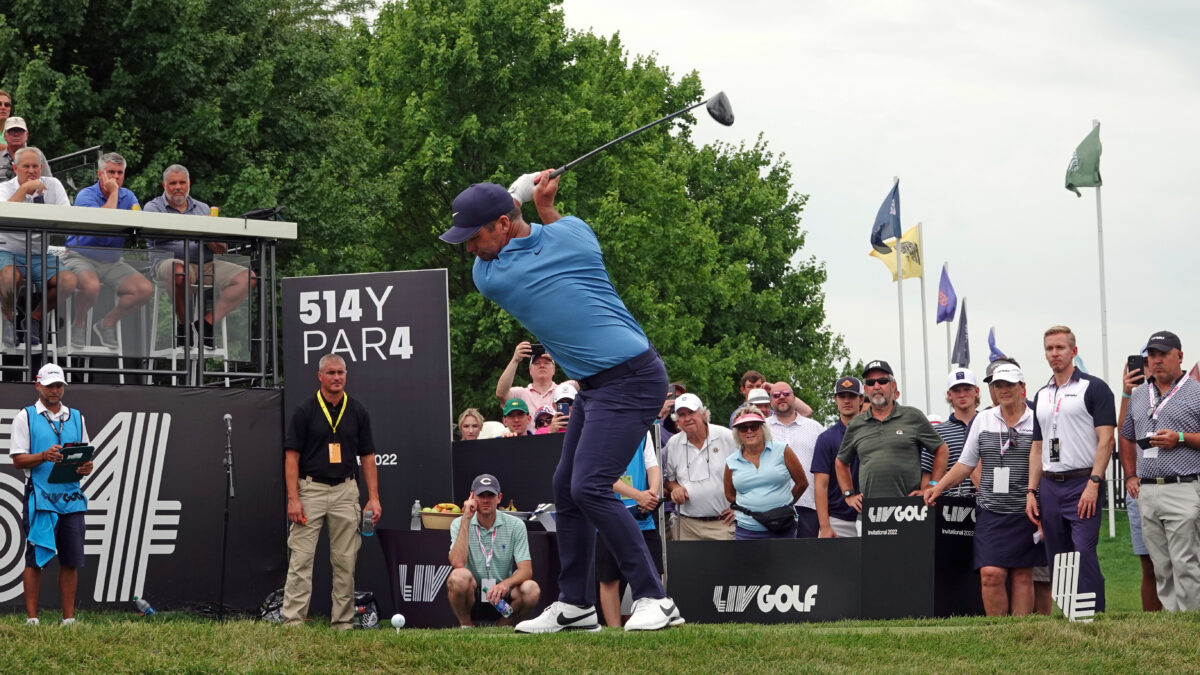
Media coverage has evolved from fierce early criticism toward a more nuanced assessment that acknowledges LIV’s role in reshaping the market and forcing change.
- “Blood-stained money: the textbook example of sportswashing” (the critical view)
- The New York Times, The Washington Post and other major international outlets: These publications have strongly condemned LIV as a classic sportswashing project intended to obscure the human-rights abuses associated with Saudi Crown Prince Mohammed bin Salman. They argue that golf, once seen as a pure sport, has been warped by the excesses of capitalism.
- “The catfish that woke up a sleepy golf world” (the pragmatic and positive view)
- Golf Digest, The Sporting News and other sports publications: These outlets acknowledge that LIV pushed the PGA Tour to challenge its own monopoly and improve player compensation, including payments to players who miss the cut and larger purses. Some also credit LIV with offering consumers and fans a new kind of spectacle.
- “In the end, Saudi Arabia’s capital is the winner” (the market analysis)
- The Wall Street Journal and other business publications: They see the saga as an example of capitalism in practice—no matter how strongly golf traditionalists objected, the PGA Tour ultimately had little choice but to bow to the power of massive capital and come to the negotiating table.
📌 Summary and What Comes Next
LIV Golf began with a question—“Can money buy golf’s history and honor?”—and ultimately transformed the sport’s entire ecosystem.
The two sides have now moved beyond simply trading accusations. They are engaged in a sophisticated business war over how to accept Saudi money while preserving the PGA Tour’s traditions—and how to bring players from both sides back together in the same tournaments.