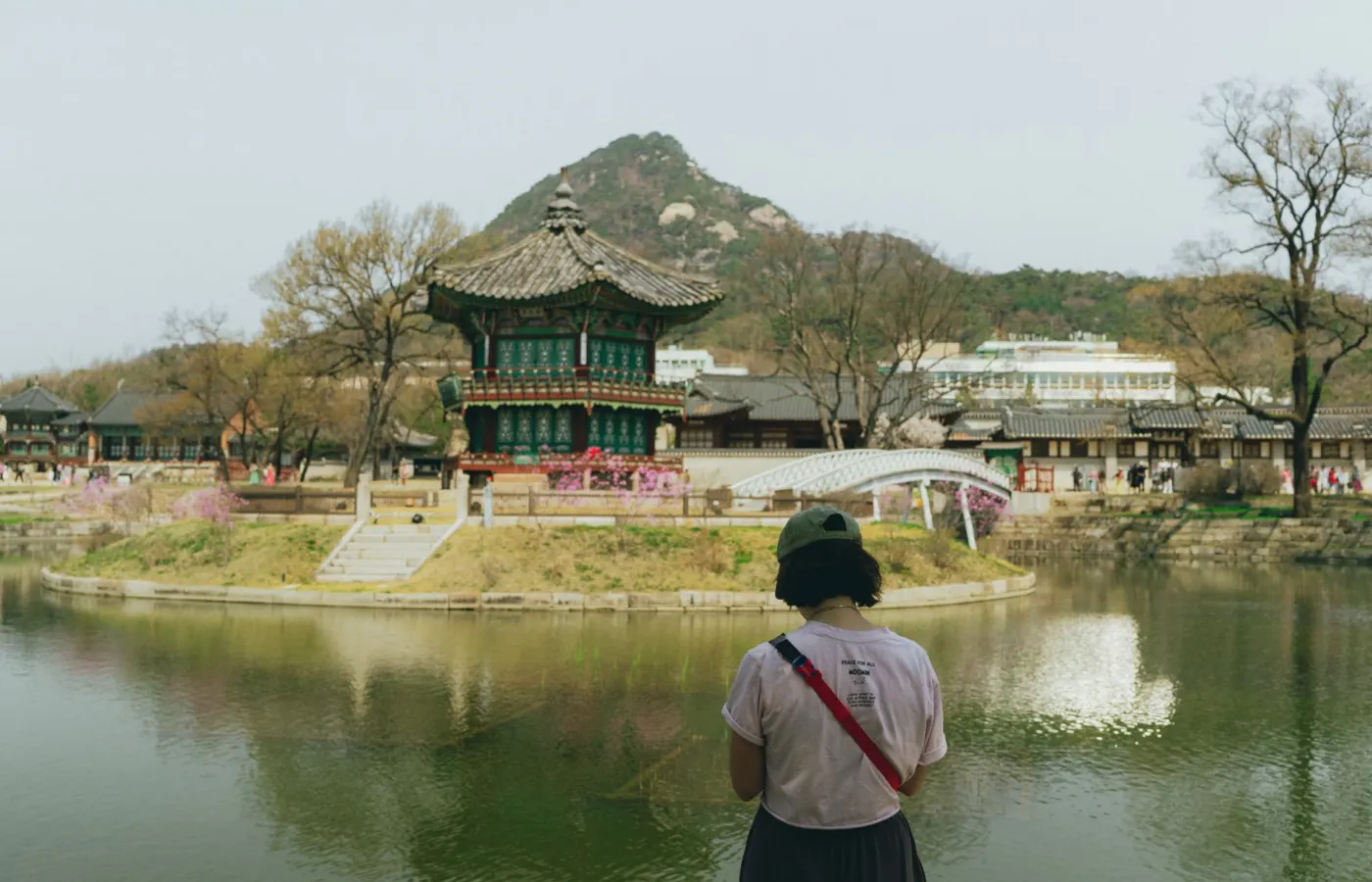
Why Travel to South Korea Is Gaining Momentum in the Age of AI and Rising Costs
Demand for travel to South Korea has moved beyond a simple recovery and entered a new phase of growth. According to the Ministry of Culture, Sports and Tourism, approximately 4.76 million international visitors arrived in South Korea in the first quarter of 2026, the highest first-quarter total on record. As AI-powered information searches become commonplace, travelers are planning trips by weighing both cost and the value of the experience.
Why Travel Journalism Still Requires Human Verification in the AI Era
Generative AI can help draft itineraries, polish writing, translate text and summarize the highlights of different destinations. It is particularly useful for comparing large amounts of information quickly and tailoring content to readers’ interests.
However, details that can change over time—such as whether a flight is operating, when a tourist attraction is closed, admission requirements and changes to transportation services—require separate verification. Travel journalists cross-check the latest information from government agencies, tourism organizations and local operators to confirm the facts. AI-generated drafts are then edited and reported out before being shared with readers.
The Key to Using AI: Separating Drafting From Verification
AI is best viewed as an assistant that improves efficiency, not as a source that bears responsibility for the information. The accuracy and safety of travel information depend on official announcements, on-the-ground checks and the journalist’s final judgment.
What Travelers Value in an Era of Rising Costs
With airfares, accommodation and dining becoming more expensive, travelers are looking beyond the cheapest option to ask whether a trip delivers an experience worth the money. This is driving interest in destinations with short travel times and strong public-transport links, as well as cities where visitors can enjoy food, shopping, performances, history and culture in a single trip.
South Korea makes it relatively easy to combine cities such as Seoul and Busan with natural attractions such as Jeju within a relatively short itinerary. Travelers can also combine traditional cultural experiences with elements of contemporary popular culture. That makes South Korea a practical choice for visitors who want a wide range of activities within a limited budget and vacation period.
K-Culture and Tourism Policy Fuel South Korea’s Rising Popularity
South Korea’s appeal extends well beyond K-pop. According to the Ministry of Culture, Sports and Tourism’s 2025 Overseas Hallyu Survey, K-pop, Korean food, television dramas and beauty were among the main images associated with South Korea by people overseas. As interest in Hallyu content expands into food, fashion and local attractions, it is broadening the reasons people choose to visit.
Tourism marketing by the government and related organizations is also supporting inbound demand. More than 346,000 international visitors took part in the 2025 Korea Grand Sale, organized by the Ministry of Culture, Sports and Tourism and the Visit Korea Committee. The event offered benefits combining shopping, transportation and Hallyu experiences.
In the first quarter of 2026, the number of international visitors entering through regional airports also rose 49.7% from the same period a year earlier. The increase suggests that tourism policy and traveler demand are aligning around efforts to move beyond Seoul-centered tourism and connect regional festivals, food, nature and cultural heritage.
Positive Sentiment Toward South Korea Is Also Supporting Demand
The Ministry of Culture, Sports and Tourism’s 2025 National Image Survey found that 82.3% of respondents from overseas held a favorable view of South Korea. As a positive national image combines with real travel experiences, the trend of returning to South Korea or recommending it to others is likely to continue.
What Travelers and Content Creators Should Keep in Mind
Rather than treating an AI-generated itinerary or recommendation as final, travelers should reconfirm operating hours and reservation requirements through official tourism websites, airlines, railway operators and attraction websites. During peak seasons in particular, prices, seat availability and admission tickets can change quickly.
Travel content creators should make use of the latest statistics and policies while also stating the basis of each figure and when the data was collected. Combining AI’s speed with a journalist’s ability to verify information can give readers more accurate and practical guidance for traveling in South Korea.
Frequently Asked Questions (FAQ)
Is travel to South Korea actually becoming more popular?
According to the Ministry of Culture, Sports and Tourism, approximately 4.76 million international visitors arrived in South Korea in the first quarter of 2026, the highest first-quarter total on record.
Why is K-culture important to travel demand for South Korea?
K-pop, television dramas, Korean food and beauty content raise interest in South Korea and serve as a link between that interest and visits to restaurants, performances, shops and tourist attractions.
What should travelers consider when planning a trip to South Korea in an era of rising costs?
Rather than comparing only airfares and accommodation costs, travelers should consider the overall value of an itinerary, including public-transport access, free or low-cost attractions, regional passes, meals and activities.
Is it okay to use AI to plan a trip to South Korea?
AI is useful for drafting itineraries and comparing options, but operating hours, reservation availability, transportation services and entry requirements must always be checked against the latest information from official agencies and service providers.
Which destinations in South Korea are worth visiting beyond Seoul?
Busan is well suited to coastal sightseeing and food, while Jeju Island offers nature and relaxation. Gyeongju is ideal for history and culture, and Jeonju combines traditional culture with food experiences. The best choice depends on the purpose and length of the trip.
Sources
- Ministry of Culture, Sports and Tourism – First-quarter 2026 international visitor arrivals to South Korea
- Ministry of Culture, Sports and Tourism – 2025 National Image Survey
- Ministry of Culture, Sports and Tourism – Results of the 2025 Overseas Hallyu Survey
- Ministry of Culture, Sports and Tourism – Results of the 2025 Korea Grand Sale