
5 Foods That Support Weight Loss — Practical Choices Backed by Evidence

When people start a diet, the first question that often comes to mind is, “What do I need to stop eating?”
But successful weight management is not about simply eating as little as possible. It depends on making smart use of foods that keep you feeling full for longer without loading you up with calories.
Research consistently points to a common feature among people who lose weight successfully: rather than cutting out one particular food, they rebuild their diets around foods rich in protein and dietary fiber.
From a medical analyst’s perspective, the criteria for choosing diet-friendly foods are straightforward: how long they keep you satisfied for the same number of calories, and how efficiently they provide the nutrients needed to preserve muscle mass.
Here, we take a closer look at five foods that meet those criteria—chicken breast, eggs, Greek yogurt, avocados and konjac—along with the evidence behind their benefits and practical ways to include them in your everyday diet.

1. Chicken Breast
What are the benefits?
There is a reason chicken breast is considered the quintessential diet food.
It contains roughly 23–28 grams of protein per 100 grams, while containing almost no fat or carbohydrates. It is difficult to find another food that delivers as much satiety for the same number of calories.
Chicken breast also contains all eight essential amino acids, which the body cannot produce on its own and must obtain from food. That makes it especially useful for people who want to lose weight while preserving muscle mass.
Nutrition experts note that the very process of chewing, digesting and passing whole food through the body contributes to a feeling of fullness and satisfaction. For that reason, getting protein from natural foods such as chicken breast can be more effective than relying solely on protein supplements.
Unlike meats such as beef sirloin, which can be high in both protein and fat, chicken breast offers the low-fat, high-protein combination that makes it particularly well suited to a weight-loss diet.
How should you eat it?
If the dry texture is unappealing, try boiling or steaming the chicken and serving it with a sauce, or shredding it over vegetables to make a salad.
Deep-frying it or adding too much oily seasoning can erase its low-fat advantage, so keep the preparation as simple as possible. Portioning frozen chicken breasts in advance also makes them easy to cook in the microwave on busy days.

2. Eggs
What are the benefits?
Eggs are considered a complete-protein food because they contain all nine essential amino acids.
Dietitians often describe eggs as “one of the most balanced protein foods.” That is not simply because they are high in protein, but because the protein they contain is of excellent quality.
Reviews of multiple studies suggest that eggs can help maintain fullness and reduce total food intake over the course of a day. Some research has also found that eating eggs for breakfast may reduce the number of calories consumed throughout the day.
One medium egg, weighing about 50 grams, contains roughly 6 grams of protein, making eggs an efficient way to work toward your daily protein target when eaten as part of a meal.
How should you eat them?
Boiling or steaming is ideal, and soft-boiled eggs are often considered easier to digest and absorb.
Eating eggs in the morning may help you stay full throughout the morning, making them a particularly good breakfast option.
Rather than eating protein on its own, pair eggs with vegetables or a small serving of carbohydrates for a more balanced meal.
3. Greek Yogurt
What are the benefits?
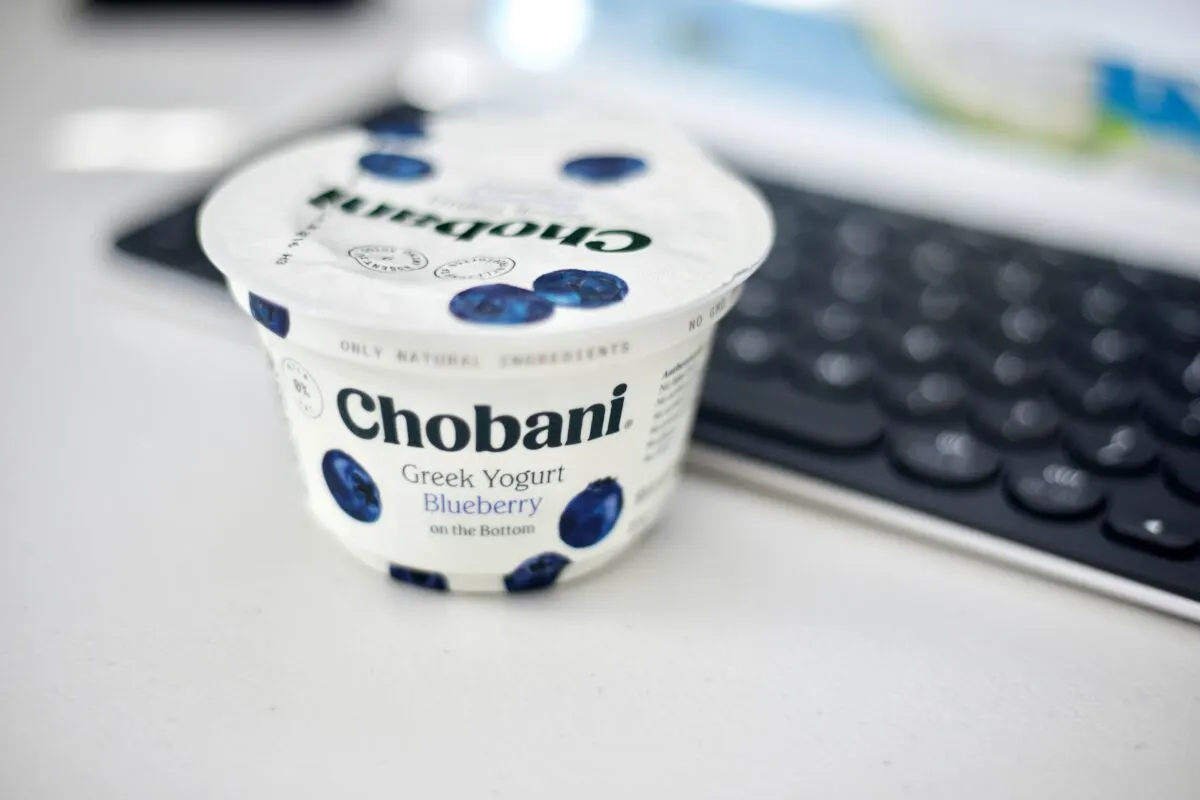
Greek yogurt is made by straining regular yogurt to remove the whey. This process more than doubles its protein content, helping you stay full longer and reducing the risk of snacking or overeating.
It contains more than 10 grams of protein per 100 grams—roughly two to three times as much as regular yogurt.
It is also rich in beneficial bacteria known as probiotics, which support gut health, as well as calcium, magnesium and phosphorus, all of which contribute to bone health.
A 2017 study published in a nutrition journal found that the probiotics abundant in Greek yogurt may also help prevent type 2 diabetes.
How should you eat it?
For adults, the recommended daily amount is 150 to 300 grams. Eating too much can push your calorie intake higher and potentially lead to weight gain, so moderation is important.
Many products on the market contain added sugar or syrup for flavor, so choose unsweetened or low-sugar varieties. Pairing them with fresh fruit or oatmeal can add both natural sweetness and extra fullness.
4. Avocados
What are the benefits?
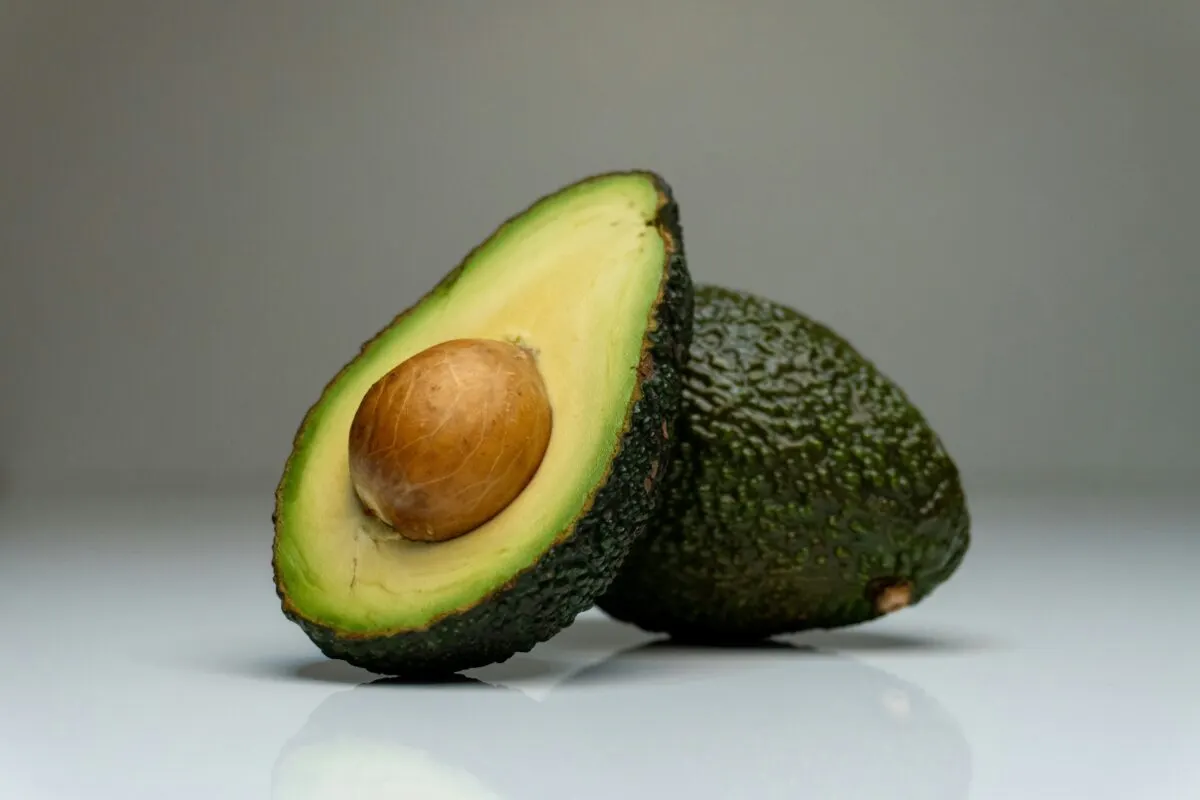
At 160 calories per 100 grams, avocados are relatively high in calories compared with other fruits. What sets them apart is that most of their fat comes from heart-healthy monounsaturated fatty acids.
Research from Harvard University and Pennsylvania State University found that people who frequently eat avocados tend to have lower levels of LDL, the “bad” cholesterol, and higher levels of HDL, the “good” cholesterol.
Most importantly, one avocado contains about 10 grams of dietary fiber—roughly 40 percent of the recommended daily amount. The combination of fat and fiber slows the rise in blood sugar, which may help reduce overeating and snacking after meals.
One U.S. study found that participants who included avocado with lunch remained satisfied for 23 percent longer during the three hours after the meal than those in the comparison group.
How should you eat it?
Because avocados are relatively high in calories, it is best to limit your intake to about half an avocado a day.
Common options include spreading mashed avocado on toast instead of butter or jam, or adding diced avocado to a salad.
The fat-soluble vitamins A, D, E and K found in avocados are absorbed more effectively when eaten with fat, making avocado and vegetables a nutritionally sound combination.
5. Konjac
What are the benefits?
Konjac is made up of 97 percent water and is essentially a near-zero-calorie food, containing only about 6 calories per 100 grams.
Its key component, a dietary fiber called glucomannan, can expand up to 30 times its size when it absorbs water and remain in the stomach for an extended period. This helps you stay full for longer even after eating a relatively small amount.
In a study of 175 adults conducted by the Institute of Clinical Medicine in Tromsø, Norway, noticeable weight loss was observed only among the overweight participants who consumed glucomannan.
Glucomannan also passes through the stomach without being absorbed immediately. As it moves into the intestines, it binds with food and slows the body’s absorption of carbohydrates. This may help prevent sharp spikes in blood sugar after meals.
A study published in the American Journal of Nutrition also found that glucomannan increased stool volume by 30 percent in adults with constipation, suggesting potential benefits for gut health as well.
How should you eat it?
Common approaches include replacing part of a serving of white rice with konjac rice, or using konjac noodles in place of regular noodles or pasta.
However, eating too much konjac as a dietary staple simply because it is nearly calorie-free can cause digestive side effects such as bloating, stomach gurgling and mild diarrhea.
Because it is rich in insoluble dietary fiber, failing to drink enough water can actually lead to constipation. The practical approach is to drink plenty of fluids and use konjac as a supporting food in moderate portions, rather than as the centerpiece of your diet.
Five Foods, One Essential Principle
Chicken breast, eggs, Greek yogurt, avocados and konjac work in different ways, but they all support one underlying principle: getting fuller for longer and more reliably from the same number of calories.
The protein-rich foods—chicken breast, eggs and Greek yogurt—support satiety and muscle maintenance. Avocados help stabilize blood sugar through their healthy fats, while konjac adds bulk with very few calories.
The key is not to rely exclusively on any one of these foods, but to incorporate them throughout your overall diet.
Research has consistently shown that eating enough protein regularly and from a variety of sources is more important to successful weight loss than insisting on one particular protein source.
Frequently Asked Questions (FAQ)
Q1. I’m tired of chicken breast. Do I really have to eat it every day?
Not at all. Research suggests that animal- and plant-based proteins can have similar effects on weight loss and appetite control. Getting enough high-quality protein consistently—from eggs, Greek yogurt, fish, nuts, beans and lentils, for example—is more important than sticking to one food.
Q2. Avocados are high in calories. Can I eat them while dieting?
Yes—in fact, they can be a good choice. Most of the fat in avocados consists of heart-healthy monounsaturated fatty acids, and their high fiber content helps you stay full longer, which may reduce your overall calorie intake. Because they are not low in calories, however, it is best to limit your portion to about half an avocado a day.
Q3. Will I lose weight quickly if I eat only konjac?
No. Konjac is a very low-calorie food that can help you feel full, but it is not a nutritionally complete staple. It contains very little protein or other essential nutrients, so replacing meals with konjac alone could lead to muscle loss or nutritional imbalances. A safer approach is to replace part of your rice or noodles with konjac.
Q4. Which is better for weight loss: Greek yogurt or regular yogurt?
Greek yogurt is generally more helpful for weight loss because it contains two to three times as much protein and tends to keep you full longer. However, it may also contain more calories and fat than regular yogurt. The most important factor is not the type but whether sugar has been added, so choose an unsweetened product either way.
Q5. How can I fit all five foods into my daily diet?
A practical approach is to start the day with eggs and avocado toast, add protein at lunch with a chicken breast salad, and replace part of your rice with konjac at dinner to reduce the carbohydrate load. Greek yogurt can serve as a between-meal snack or a post-workout recovery food, helping you spread out both your protein intake and feelings of fullness throughout the day.