Israel Ultimately Loses to Iran

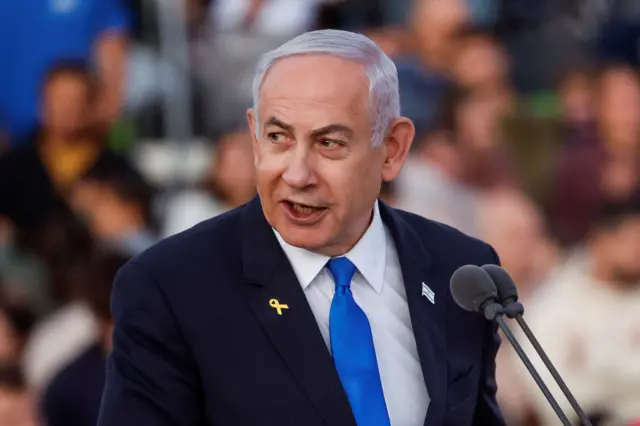
The recently concluded U.S.–Iran peace deal, reached in June 2026, exposes the harshest realities of international politics facing Israeli Prime Minister Benjamin Netanyahu’s government.
After the two countries jointly pressured Iran through coordinated military operations—the United States’ “Epic Fury” and Israel’s “Roaring Lion”—the Donald Trump administration struck a compromise with Tehran while leaving Israel out of the process. Washington ultimately buckled under the global economic crisis triggered by the closure of the Strait of Hormuz and the burden of a full-scale war.
Trump’s “America First” and Israel’s Abandonment
As many predicted, the war began with Israel’s sweet-talking persuasion.
Few would dispute that Netanyahu needed the war to continue in order to preserve his government, and that he lured the famously ambitious Trump with flattery: “If you take on Iran, you’ll become the greatest king in history.”
But when the war failed to unfold as planned, analysts say President Trump abandoned Israel’s long-standing security objectives in an effort to contain the economic fallout at home, including soaring oil prices and inflation.
- Media analysis: The Guardian criticized Trump for pulling out first in pursuit of the short-term achievement of reopening the Strait of Hormuz, arguing that the war had returned to square one without resolving anything.
- Alliance fractures: When Israeli airstrikes on Lebanon interfered with negotiations, President Trump completely discarded his once-close personal relationship with Prime Minister Netanyahu, reportedly lashing out that Netanyahu had “no judgment whatsoever” and would have gone to prison if not for Trump.
Reaction from Israel’s Media and Political Establishment: “We Were Slapped in the Face”
Inside Israel, anger and a sense of betrayal have reached fever pitch, with many feeling that the country was thoroughly used and then discarded by the United States.
- Recognition of a strategic defeat: The Times of Israel and Haaretz described the agreement as “the most shocking failure in Israel’s diplomatic and security history” and a “strategic defeat.”
- An incomplete agreement: Critics have condemned the deal because it does not include the dismantling of Iran’s ballistic-missile program or an end to its support for proxy groups such as Hezbollah—measures Israel had demanded. The result, they argue, is that Israel alone has been left exposed to security threats. Former Prime Minister Ehud Barak lamented the agreement as “the worst deal” in an interview with CBC News.
Netanyahu’s Political Bankruptcy and Isolation
Prime Minister Netanyahu’s gamble—using the war to delay his corruption trial and remain in power—has come back to haunt him.
- International isolation: The Forward reported that, following the war in Gaza and now the confrontation with Iran, Israel is facing an unprecedented degree of isolation.
- Falling support at home: BBC reported that, with fall elections approaching, Netanyahu is under relentless attack from opposition figures including Yair Lapid as the “myth of the alliance with the United States” has begun to unravel, leaving his government at risk.
Iran’s Victory on Points and the Future of the Middle East
- Iran survives: The New York Times analyzed the outcome as a victory for Iran at the negotiating table. Despite suffering massive military damage, Tehran not only preserved its regime but also secured the return of tens of billions of dollars in frozen assets and sanctions relief.
- A move toward going it alone: Having lost faith in the United States and Trump, Israel has signaled that it will not be bound by the U.S.-led peace agreement, warning that it may maintain forces in Lebanon and conduct independent military operations. Experts broadly agree that this makes the peace a ticking time bomb, with the potential for tensions to flare up again at any moment.

There Are No Permanent Enemies or Permanent Allies
Israel is America’s most important country. Much of Washington’s political and business establishment operates under the influence of the Israeli lobby, and the Middle East policies given the highest priority are largely shaped around Israel.
Yet Trump cast Israel aside to save himself. Whatever the circumstances that led to it, this fact carries an important lesson.
Here in South Korea, the so-called conservative People Power Party—an extreme self-interest group in all but name—repeatedly acts as if the United States and Japan were its guardian angels. Whenever anything happens, its members habitually say things like, “If you keep acting up, we’ll go to America and report you to big brother Trump.”
Even the person serving as party leader has not hesitated to put on an elaborate performance, lying to the public and exaggerating his conduct to make it appear as though he had returned from the United States after striking some enormous deal.
It would be embarrassing enough to visit a deputy minister, but the leader of the main opposition party went all the way there only to get humiliated by an assistant secretary’s aide. No wonder the first thing that comes to mind is a deep sigh. No wonder everything these people do ultimately becomes a source of national embarrassment.
This should be an opportunity to reflect once again on why self-reliant national defense matters, and why unity and patriotism among the people are so important.
FAQ
Q1. Why is the U.S.–Iran peace agreement being viewed as unfavorable to Israel?
A. Critics argue that the agreement does not sufficiently address Israel’s core objectives, including limiting Iran’s missile capabilities, cutting off its support for armed proxy groups, and fully dismantling its nuclear program. As a result, many Israelis believe the deal failed to deliver the security gains they had expected.
Q2. Why are relations between the Trump and Netanyahu governments considered to have deteriorated?
A. Although the two governments appeared to cooperate closely at the outset of the war, analysts say their interests diverged as the economic costs of a prolonged conflict and international pressure mounted. The rift became particularly apparent when the United States began negotiating directly with Iran.
Q3. What was Iran’s biggest achievement in the negotiations?
A. Iran entered the talks while preserving its government and state system, and is believed to have secured some sanctions relief and the economic breathing room needed to stabilize its position. Maintaining its influence in international negotiations is also regarded as a significant achievement.
Q4. How could this crisis affect the Middle East?
A. The risk of a full-scale war may decline in the short term, but many observers warn that the underlying sources of conflict have not been resolved. Tensions could flare again because the rivalry between Iran and Israel, the proxy-group issue, and the contest for regional dominance all remain.
Q5. What is the most important lesson this episode offers about international politics?
A. It shows that national interests often take precedence over values or friendship in international affairs. As the familiar saying goes, there are “no permanent enemies or permanent allies.” Countries can cooperate or clash as circumstances change, and alliances can shift according to each nation’s interests.