Seoul’s Escalating Dispute With MBC
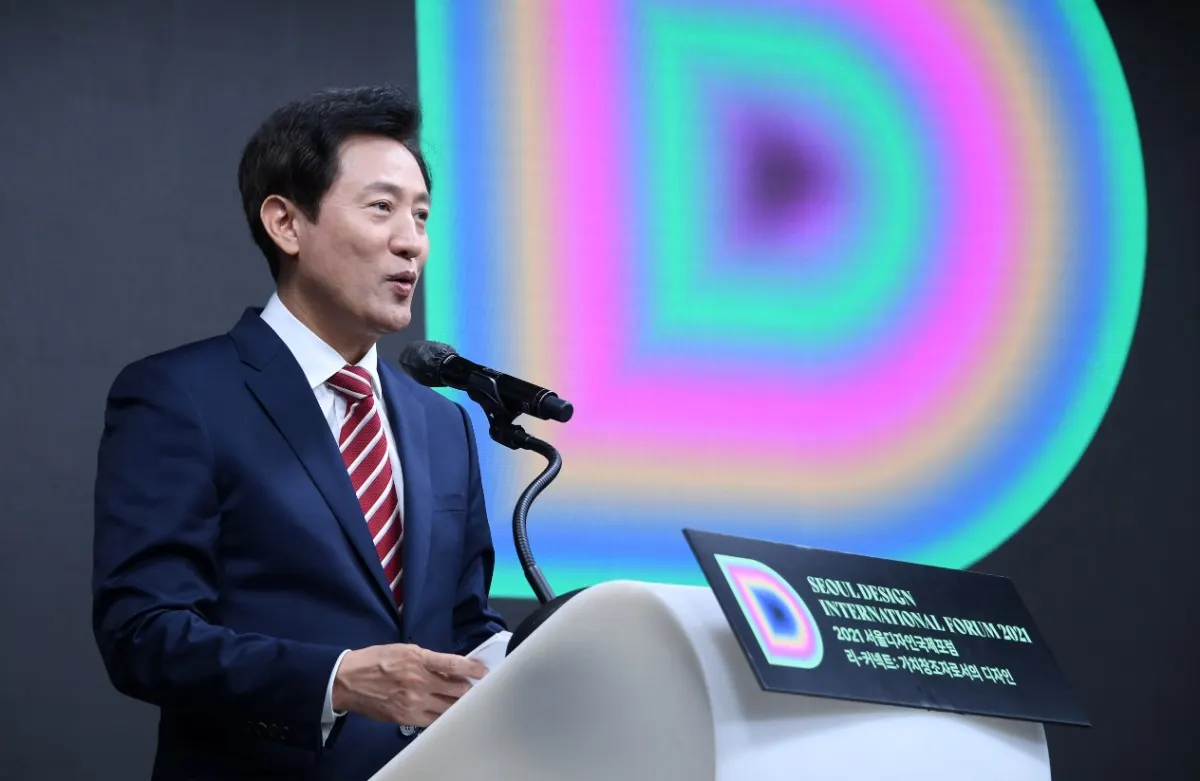
The Seoul Metropolitan Government has labeled certain MBC reports “biased and distorted” and removed them from its internal news briefings. Mayor Oh Se-hoon’s office has gone so far as to file a criminal complaint, maintaining its hard-line stance.
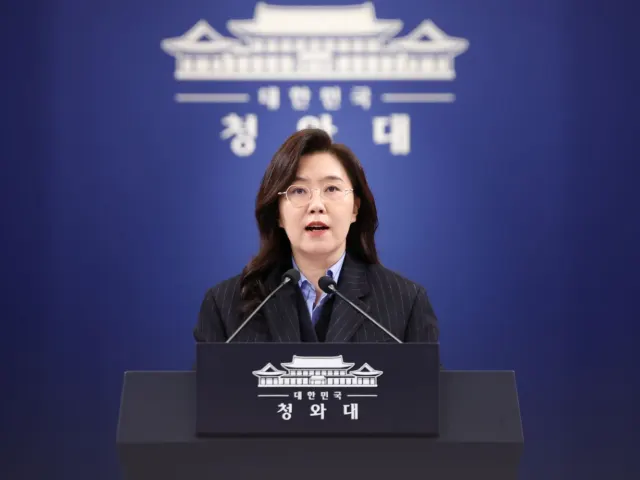
Does this scene look familiar? The incident in which MBC reporters were barred from covering Yoon Geon-hee’s overseas trip—effectively a foreign junket—was widely reported. Yoon Geon-hee’s hostility toward MBC appears to have been passed on intact to Seoul Mayor Oh Se-hoon.
Leaders who exclude particular news outlets are so consumed by a sense of privilege, and so unwilling to face scrutiny of their opaque administration or government activities, that they resort to coercive measures to avoid critical reporting. In the end, this creates a system in which corruption is bound to emerge.
What Happened and How the Dispute Unfolded
The latest conflict was triggered by reports alleging substandard construction and lax safety management at major infrastructure projects across Seoul.
Rather than humbly apologizing for, or acknowledging, failures within an organization under his oversight, the mayor is attacking the news outlet that reported them. Is that really acceptable?
- What sparked the dispute: Beginning in May, MBC ran a series of reports focusing on allegations of missing reinforcing steel on the Samsung Station section of the GTX-A line and safety concerns involving the Seosomun overpass. The reports strongly suggested that the Seoul city government had either delayed reporting the problems to the Ministry of Land, Infrastructure and Transport after becoming aware of them, or attempted to conceal them.
- Legal action by Mayor Oh’s side: On May 20, during the election period, Mayor Oh’s campaign and members of the ruling party filed a complaint with police against three MBC reporters and four newsroom executives, alleging violations of the Public Official Election Act, including the publication of false information and interference with voters’ freedom of choice.
- Administrative action by the Seoul government: On June 15, the Seoul city government’s spokesperson’s office took the unprecedented step of excluding all MBC reports from the internal media briefings distributed daily to the mayor and working-level officials. The cover of the briefing explicitly stated that “media outlets producing biased and distorted reports” were excluded and named MBC.
Comparing the Positions of Both Sides
The Seoul government and the media industry remain completely at odds over the substance of the dispute.
| Issue | The position of the Seoul government and Mayor Oh Se-hoon | The position of MBC and media organizations |
|---|---|---|
| Character of the reporting | “Collusion between politics and the media” driven by political motives – The Ministry of Land, Infrastructure and Transport had determined that there was no safety problem, yet the issue was reported more than 70 times during the election period alone, amounting to improper interference in the election. |
Public-interest reporting intended to protect public safety – The reports were legitimate journalism based on multiple internal documents, on-site verification and testimony from relevant parties. Criticism is a core responsibility of the press. |
| Legitimacy of the action | An issue concerning the operation of internal reference materials – The briefing is merely an internal document for officials’ reference, and outlets were excluded because their reporting was considered factually unclear and lacking in balance. |
“Retaliatory suppression of the press” using administrative power – Instead of using legal procedures such as mediation through the Press Arbitration Commission, the local government arbitrarily labeled and excluded a news organization. |
Analysis and Key Issues
① Turning a Safety Issue Into a Political Battle—and the Alleged Three-Way Connection
Mayor Oh has characterized the reports as the product of a “political triangle” linking MBC, the Democratic Party of Korea and the campaign of Jung Won-oh, his opponent in the election. His view is that internal information from the transport ministry was leaked to the opposition and exploited as an election-time attack. The opposition and media organizations, however, accuse the Seoul government of shifting the focus to a political conspiracy in an effort to obscure the underlying issue of substandard construction and evade administrative responsibility.
② Labeling Media Outlets Through Administrative Power and the “Shutting Them Up” Controversy
The city has previously taken financial measures against broadcasters involved in partisan controversies, including the ordinance to end funding for TBS traffic broadcasting. But it is highly unusual for a public institution to officially brand a general terrestrial broadcaster as a “biased outlet” in an official document because of its reporting. The Seoul City Press Corps has also formally expressed regret, saying that excluding a particular outlet without clear standards could create direct or indirect pressure on other news organizations in their reporting.
③ Bypassing Institutional Procedures
||||Organizations such as the Citizens’ Coalition for Democratic Media point out that when a report contains errors, formal remedies are available—including requests for corrections, complaints to the Press Arbitration Commission and civil or criminal lawsuits. By skipping those procedures and imposing administrative penalties directly, the local government is acting against the democratic process, they argue.
The Politics of Arrogance Is Destined to Fall Like Yoon Geon-hee
Mayor Oh’s hard-line response has drawn criticism from many citizens. The conservative outlets commonly known as the “Cho-Joong-Dong” press frequently publish inaccurate reports. As many people know, they have misled the public with one-sided and narrow standards, routinely publishing rumors and fake news on an “deny it if challenged” basis. Even so, no one has excluded or sanctioned them.
A government can be considered legitimate only when it accepts all media, verifies criticism and recognizes that differing views are part of the public’s right to know.
If MBC, JTBC or any other outlet that publishes an unfavorable report is automatically branded corrupt media allied with political forces, how is that any different from dictatorship? The facts can be sorted out through verification—whether in court or through public debate.
People with something to hide tend to give themselves away through their awkward behavior. If he is truly confident and believes he has acted justly under the law, he should not try to suppress the press. Instead, he should stand before the public, acknowledge what must be acknowledged—including the matter involving Myung Tae-kyun and the Seoul administration as a whole—reflect on his mistakes and accept responsibility where it is due.
FAQ
Q1. Why did the Seoul government exclude MBC reports from its internal media briefings?
The Seoul government determined that MBC’s reports on alleged missing reinforcing steel on the Samsung Station section of the GTX-A line and safety concerns involving the Seosomun overpass lacked sufficient fact-checking and were politically biased. It therefore excluded MBC reports from the internal media briefings distributed to officials.
Q2. How do MBC and media organizations view the measure?
MBC and media organizations argue that the measure amounts to retaliation against, or suppression of, the press. They say that if there were problems with the reports, the matter could have been taken to the Press Arbitration Commission or addressed through legal procedures. Directly excluding a particular news organization through administrative action was inappropriate, they maintain.
Q3. What is the central issue in the controversy?
The central question is whether the Seoul government has the authority to designate a particular news organization as a “biased and distorted outlet” and exclude it administratively. The city says the measure concerns only the management of internal reference materials, while critics see it as pressure on the press through the use of public power.
Q4. What procedures are normally available when news coverage is problematic?
When reporting is believed to contain false information or defame someone, the usual institutional options include requesting a correction, seeking a right-of-reply report, filing a complaint with the Press Arbitration Commission, or pursuing civil litigation or a criminal complaint. In a democratic country, these procedures are generally regarded as the appropriate way to establish the facts and determine responsibility.
Q5. How could this incident affect relations between the Seoul government and the media?
The controversy is being viewed as a new example of conflict between a local government and the media. Depending on future legal rulings and the outcome of fact-checking, the Seoul government’s action could be judged a legitimate response—or the controversy over infringement of press freedom could intensify. The case could also fuel a broader social debate over public institutions’ standards for dealing with the media and the boundaries of press freedom.