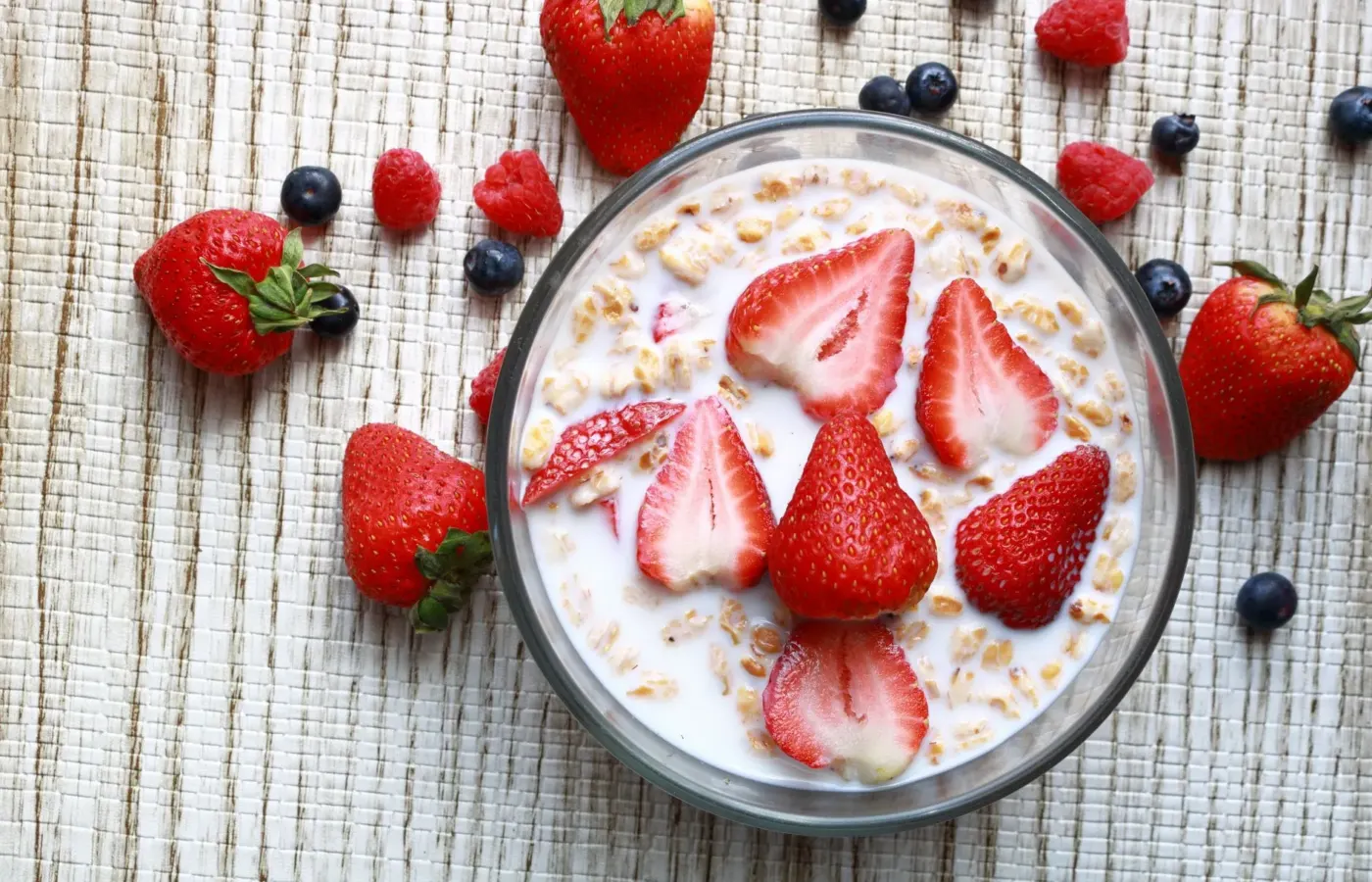
- What is the oatmeal diet, and how does it work?
- Why was oatmeal suddenly referred to as a u0022medicineu0022?
- The reason for weight loss is not due to oatmeal itself, but rather the feeling of fullness it provides.
- Feeling full does not necessarily mean that you are losing weight.
- So, how should oatmeal be eaten?
- Frequently Asked Questions.
- Recommended WordPress Plugins
Will eating only oatmeal help you lose weight? There’s a rumor that drinking a mixture of oatmeal, water, and lime will make you thin, almost like a medicine. This makes the true nature of a bowl of oatmeal seem quite suspicious.
To put it simply, oatmeal can be a useful supporting element in a diet, but it is not suitable as the main focus. This is because it is not oatmeal itself, but the total daily food intake and the composition of the diet that determine weight changes.
Oatmeal can be helpful.
What is the oatmeal diet, and how does it work?
The oatmeal diet involves consuming oatmeal as a staple food for breakfast or multiple meals throughout the day. It is typically adopted with the aim of reducing calorie intake and promoting a feeling of fullness for an extended period.
Oatmeal contains beta-glucan, a type of dietary fiber that dissolves easily in water. The U.S. Food and Drug Administration (FDA) recognizes health claims related to lowering cholesterol when consuming beta-glucan from oats and barley at a level of 3 grams or more per day.
The beta-glucan content in whole oats is approximately 5% on average. Consuming 50 grams of dry oats provides approximately 2.5 grams of beta-glucan.
However, a single number cannot automatically reduce weight.
Why was oatmeal suddenly referred to as a u0022medicineu0022?
Oatmeal has recently gained renewed attention, in part due to the influence of social media. In April 2024, a beverage called “Oatzempic,” made by blending oats, water, and lime juice, became popular on TikTok and Instagram.
Some users claimed that after drinking this beverage, they lost up to 40 pounds, or approximately 18 kilograms, in 8 weeks. The drink, which borrowed its name from an obesity medication, suddenly appeared to be a remarkable secret weapon, even though it was just a regular oat drink.
However, there is no evidence to support the claim that Oatzempic works in the same way as prescription drugs. There is no reason to believe that blending oats and water will produce a weight loss effect comparable to that of medication.
The video is short, but changes in weight are always a result of the entire diet.
It is a story much longer than a cup of oatmeal.
The reason for weight loss is not due to oatmeal itself, but rather the feeling of fullness it provides.
The most compelling reason why oatmeal can aid in weight loss is its ability to promote satiety. The texture, created by cooking it with beta-glucan and water, can keep you feeling full for a longer period.
In a 2016 randomized crossover study, 48 adults consumed instant oatmeal and oat-based breakfast cereal with the same caloric content. After consuming the oatmeal, participants reported greater feelings of fullness, and experienced lower hunger levels and smaller lunch portions.
The researchers explained that the amount of beta-glucan and the texture of the food can affect satiety. There is one important condition to consider.
It was cooked in a way that involved adding sufficient water.
If you eat oatmeal and consume fewer calories in your subsequent meals, your total daily calorie intake may decrease. It is at this point that oatmeal aids in weight management.
A comprehensive literature review published in 2024 examined several randomized controlled trials and concluded that oat consumption was associated with results showing a reduction in body weight and body fat in overweight adults.
However, this result does not mean that a diet consisting only of oatmeal is particularly effective. It is more likely a result of the effects seen when hunger is reduced and overall calorie intake is lowered.
Feeling full is a means to an end, not a guarantee of weight loss.
Feeling full does not necessarily mean that you are losing weight.
The most common misconception is the belief that “feeling full will immediately lead to weight loss.” In fact, a 4-week randomized trial showed that while the group that consumed oatmeal experienced less hunger, their average weight increased by approximately 0.26 kg.
Conversely, the control group that did not eat breakfast lost approximately 1.18 kg. While this result does not mean that people should skip breakfast, it clearly demonstrates that weight loss cannot be guaranteed solely through feelings of fullness.
Oatmeal may appear to be a healthy food, but it is easy for the toppings to become excessive. Adding a lot of sugar, syrup, chocolate, or nut butter can significantly increase the calorie content of a serving, which can negate any potential weight loss benefits.
Even with healthy ingredients, the calorie content increases if you use a lot of them.
The practice of eating only oatmeal also has problems. Relying on a single food can easily lead to an unbalanced diet, and it is difficult to maintain for a long time.
If you have celiac disease, you should also be cautious of regular oats. Oats can be contaminated by contact with wheat, barley, and rye, so you should choose products labeled as gluten-free. Additionally, some individuals may react to avenin, a protein found in oats.
Oats are a healthy food, but being healthy does not give you a license to consume it without limit.
So, how should oatmeal be eaten?
The most realistic approach is to use oatmeal as the carbohydrate option for one meal a day. Rather than adding oatmeal to an existing meal, replace bread or sugary cereals with oatmeal to reduce overall calorie intake.
It is generally better not to rely solely on oatmeal for a single meal. Combining it with protein sources like unsweetened milk or yogurt, eggs, or tofu, along with fruits, can help balance the nutritional profile of an oatmeal-based meal.
- If you frequently snack or overeat in the morning, consider incorporating a serving of oatmeal.
- Do not add oatmeal to your existing meals; instead, replace other breakfast items with it.
- Avoid methods that use a lot of sugar and syrup.
- If you have celiac disease, choose products labeled as gluten-free.
If you enjoy oatmeal and tend to feel hungry soon after breakfast, then choosing plain oatmeal and pairing it with protein sources and fruit is a good option.
Conversely, it is better to avoid eating only oatmeal or choosing beverages like “Otsuempic” that promise significant weight loss in a short period.
If you experience gastrointestinal symptoms after consuming oats, do not continue to consume them and consult with a medical professional or a registered dietitian.
The correct approach to oatmeal is not “eat a lot every day,” but rather “a balanced portion for one meal.” To make it easier to navigate articles divided into multiple sections, DecoBlocks’ Auto Table of Contents can create a table of contents and links based on H2 and H3 headings.
Frequently Asked Questions.
Q. Does eating only oatmeal lead to faster weight loss?
A. There is insufficient evidence to prove the unique weight loss effects claimed by diets consisting solely of oatmeal. Such diets are prone to being unbalanced, so it is more practical to use oatmeal as a carbohydrate option for one meal.
Q. What is a good food to eat with oatmeal?
A. Place unsweetened milk or yogurt together with protein foods such as eggs or tofu and fruit. It is best not to add too much sugar, syrup, chocolate, or nut butter.
Q. Is it okay to eat oatmeal if you have celiac disease?
A. Because products can be contaminated through contact with wheat, barley, and rye, it is important to choose products labeled as “gluten-free.” If symptoms appear after consuming oats, consult with a medical professional or a registered dietitian.