JASDF Global Hawk Crashes off Tottori Prefecture
An unmanned reconnaissance aircraft operated by Japan’s Air Self-Defense Force (JASDF), an RQ-4B Global Hawk, crashed in waters about 50 kilometers north of Tottori Prefecture in western Japan on Sept. 15, 2026. The JASDF officially announced the crash on Sept. 16 after examining debris found at sea and photographs of the wreckage.
The accident claimed one of the three Global Hawks operated by Japan. The cause remains under investigation, with Japanese defense authorities focusing on the aircraft’s communications equipment and flight path.
Radar Track Disappeared After Communications Failure
According to Japan’s Defense Ministry, the aircraft took off from Misawa Air Base in Aomori Prefecture at around 10:20 a.m. on Sept. 15. At approximately 12:55 p.m., it began experiencing problems connecting to its communications equipment. Its radar track disappeared at around 12:58 p.m. over waters off Tottori Prefecture.
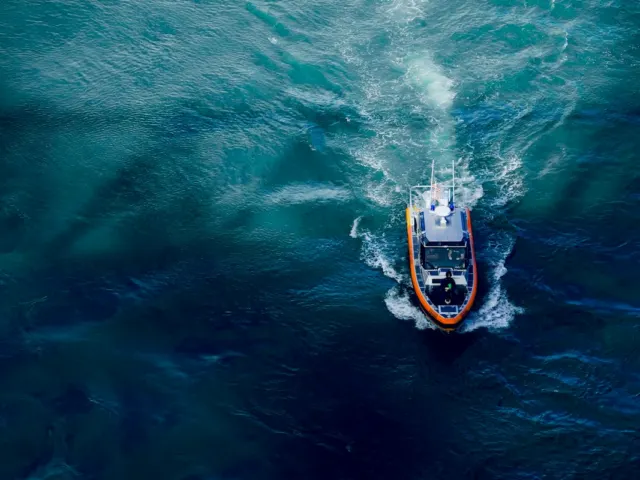
The JASDF, the Japan Maritime Self-Defense Force and the Japan Coast Guard immediately launched search operations. Japan Coast Guard helicopters and JASDF fighter and rescue aircraft found floating debris, while photographs taken by a JMSDF missile boat confirmed that it was wreckage from the aircraft involved in the accident.
Japanese authorities said no damage to nearby areas or vessels had been reported so far.
The Global Hawk’s Mission and Operations in Japan
The Global Hawk is an unmanned reconnaissance aircraft designed to monitor wide areas while flying at high altitudes for extended periods. According to official JASDF materials, the RQ-4B can remain airborne for up to approximately 36 hours and operates at altitudes of around 60,000 feet.
Japan introduced the Global Hawk to strengthen its ability to maintain continuous surveillance of surrounding waters and airspace. The JASDF formed a Global Hawk operating unit at Misawa Air Base in December 2022 and established a three-aircraft fleet with the deployment of its third aircraft in June 2023.
The Global Hawk is primarily focused on reconnaissance and intelligence gathering rather than direct attack missions. Its long endurance allows it to monitor maritime activity and developments in surrounding areas while complementing other surveillance and reconnaissance assets.
Investigation and the Impact on Japan’s Surveillance Posture
Japan’s Defense Ministry is investigating the cause of the accident and has not identified any specific factor, such as an aircraft malfunction or weather conditions, at this stage. Communications equipment, the ground control system, flight data and analysis of the wreckage are expected to be central to the investigation.
The loss of one Global Hawk will not bring Japan’s overall surveillance system to a halt. Japan also operates manned reconnaissance aircraft, airborne early-warning aircraft, and surveillance assets belonging to the JMSDF and Japan Coast Guard.
However, the loss of one of the three high-altitude, long-endurance unmanned aircraft could put pressure on the remaining Global Hawks’ availability and mission allocation. Based on the findings of the investigation, Japan’s defense authorities are likely to conduct safety inspections of the remaining aircraft and review their operating procedures.
Key Issues for Japan’s Future Drone Operations
The accident has once again highlighted the importance of safety and maintenance systems as Japan expands its use of unmanned aircraft. High-altitude, long-endurance drones are particularly dependent on communications networks and ground-control equipment, making it necessary to review the entire operating system as well as the aircraft themselves.
After determining the cause of the accident and measures to prevent a recurrence, the Japanese government is expected to decide when to resume Global Hawk missions, how the aircraft should be operated and whether additional surveillance assets are needed. The central issue is not simply the loss of one aircraft, but how Japan can maintain its ability to conduct continuous surveillance.
Frequently Asked Questions (FAQ)
Where did Japan’s Global Hawk crash?
It crashed on Sept. 15, 2026, in waters about 50 kilometers north of Tottori Prefecture, Japan. The crash site was reportedly in international waters in the Sea of Japan.
Has the cause of the Global Hawk crash been determined?
No official cause has been announced. Japanese defense authorities are investigating the communications equipment, flight data and aircraft wreckage.
How many Global Hawks did Japan operate?
The JASDF had operated three RQ-4B Global Hawks, primarily from Misawa Air Base. Following the accident, two operational aircraft remain.
What missions does the Global Hawk perform?
It flies at high altitudes for extended periods to survey and monitor wide areas, supporting surveillance, reconnaissance and intelligence gathering around Japan.
How will the accident affect Japan’s defense capabilities?
Japan’s overall surveillance system will not be disrupted, but the reduced number of Global Hawks could place pressure on reconnaissance mission planning and operational availability.