5 Summer Foods That Help Restore Your Energy
As the three sambok days—Chobok, Jungbok and Malbok—approach, many Koreans naturally start craving a steaming bowl of soup.
There is a long-standing reason people eat hot food in the middle of summer. The Korean expression iyeolchiyeol—fighting heat with heat—reflects a tradition rooted in the belief that a hot meal can help the body cope with hot weather.
During summer, heavy sweating causes the body to lose both fluids and electrolytes. The heat can also suppress the appetite, leading to smaller meals and an increased risk of nutritional imbalances.
The idea of a restorative summer meal is not simply tradition or superstition. It reflects the practical wisdom of earlier generations, who used certain foods to replenish protein, vitamins and minerals that are especially easy to lack in hot weather. Here is a closer look at five classic Korean summer dishes—samgyetang, eel, abalone, loach soup and kongguksu—with a focus on how their nutrients work and how to enjoy them in everyday life.
1. Samgyetang
What are the benefits?
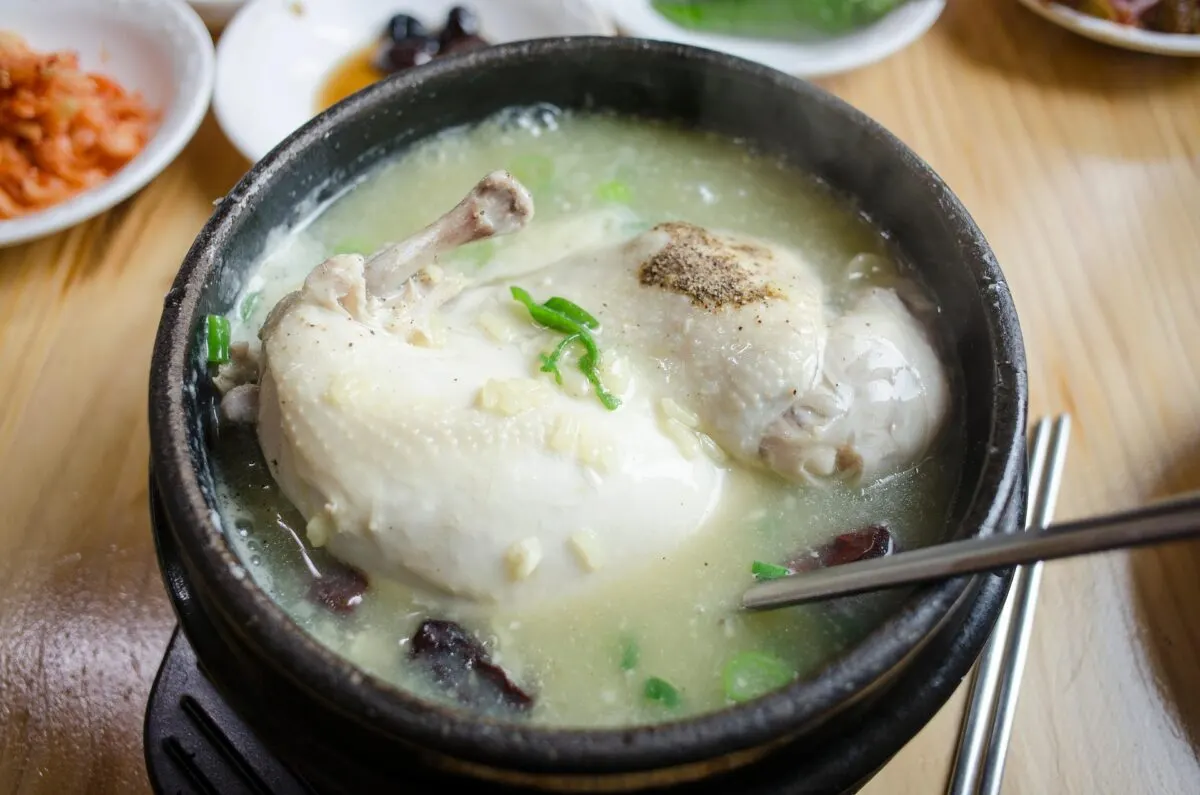
The chicken at the heart of samgyetang is rich in high-quality protein.
Protein is essential for building muscle, immune cells and enzymes. Because hot weather can reduce appetite and make it harder to consume enough protein, it may also leave people feeling fatigued more easily.
Chicken is relatively lean and mild in flavor, with fine muscle fibers that make it easy to digest and absorb. It is also rich in essential amino acids, which can support recovery and help restore strength.
Ginseng, another key ingredient, contains compounds called ginsenosides. These are known to help the body adapt to environmental changes such as heat and stress, while also supporting recovery from fatigue and immune function.
Chicken is also a good source of B vitamins, which are needed to convert carbohydrates and fat into energy and support the body’s energy metabolism.
Why eat hot food, and how should you enjoy it?
Many people wonder why anyone would eat hot food in hot weather. Eating a hot dish can temporarily increase sweating, and the evaporation of sweat may help cool the body.
Warm food may also stimulate digestion and encourage the appetite. Still, the temperature of the dish matters less than getting enough nutrients overall.
A bowl of samgyetang contains around 1,000 calories, so it is not a low-calorie meal. Rather than eating it frequently, a balanced approach is to enjoy it on days when you feel you need an extra boost, such as one of the sambok days.
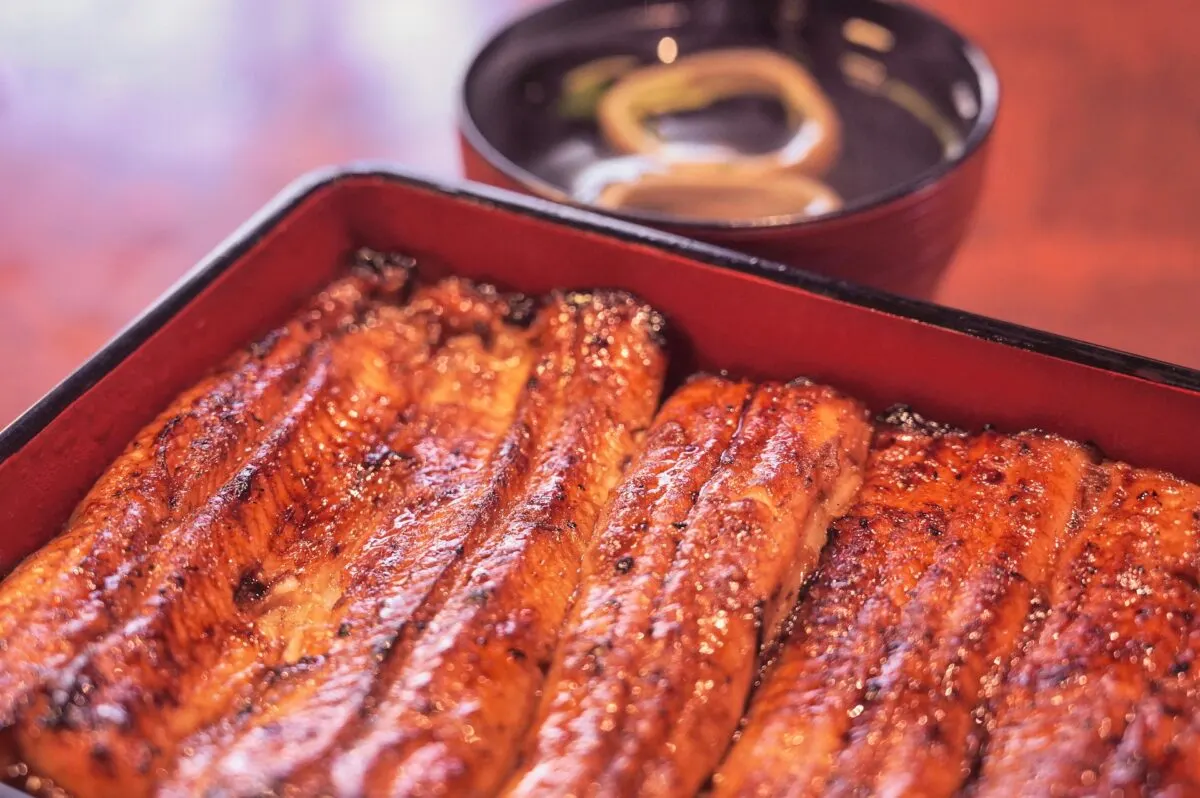
2. Eel
What are the benefits?
Eel is a high-quality protein food containing all the essential amino acids. Compared with many other fish, it is exceptionally rich in vitamin A, which is known to help neutralize free radicals, protect vision, and support growth and reproductive function.
Japanese eel in particular contains more than twice the recommended daily intake for adults of the omega-3 fatty acids DHA and EPA. These fats may help prevent circulatory conditions such as atherosclerosis and stroke, while also helping lower levels of harmful cholesterol and triglycerides in the bloodstream.
The arginine in eel is known to help widen blood vessels and promote blood flow. Vitamin E and collagen may also help protect the skin from the effects of aging.
How should you enjoy it?
Eel’s rich, oily flavor often makes people worry about calories, but at around 110 calories per 100 grams, it is not as high in calories as many assume.
Calories can rise considerably when eel is grilled with a sweet or savory sauce, so lightly salted grilled eel or poached eel is a less heavy option.
There has long been a belief that eating peaches after eel can cause diarrhea, so it may be worth keeping that traditional caution in mind when choosing dessert.
3. Abalone
What are the benefits?
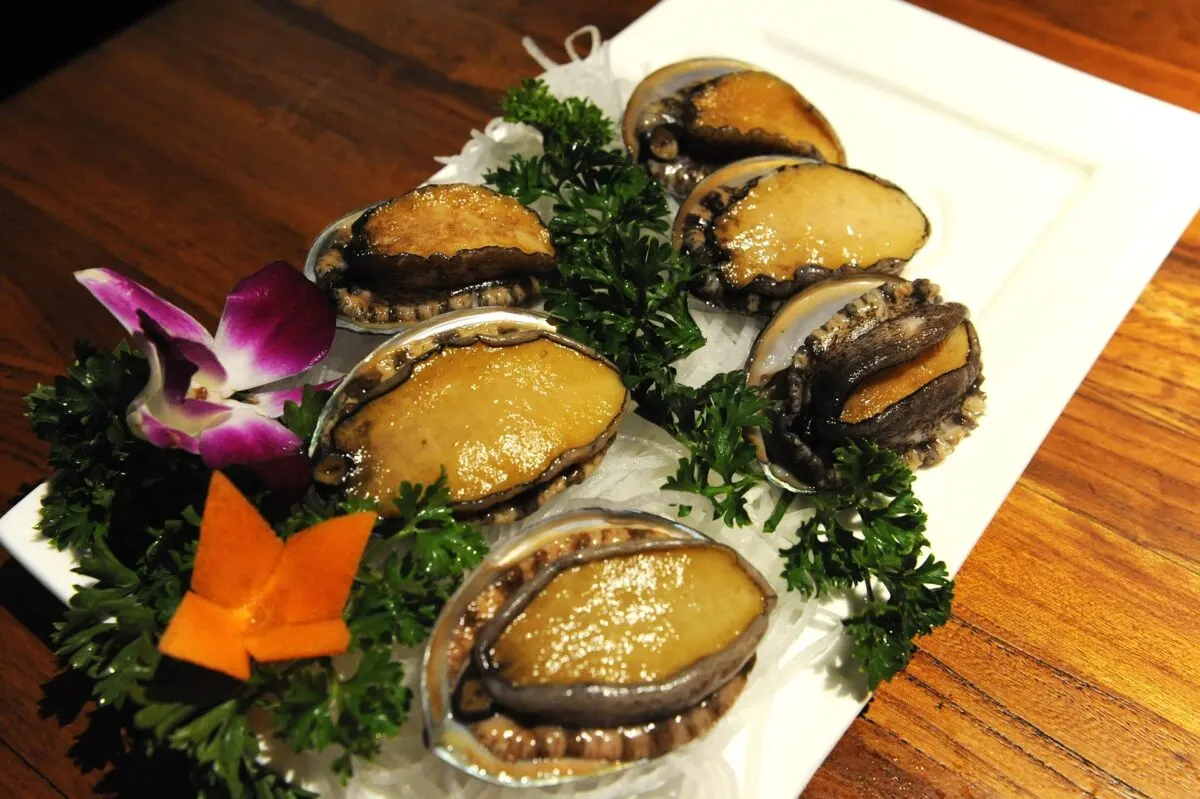
Often called the king of shellfish, abalone is rich in protein as well as vitamins A, B1, B2 and C. It also contains minerals such as iron, phosphorus, iodine and zinc.
The white powder that forms on the surface of steamed and dried abalone is taurine. This compound may help lower cholesterol levels and support vision and healthy blood pressure.
The zinc in abalone is essential for growth and reproductive development and is also known to support the immune system. Low in fat and high in protein, abalone is easily absorbed by the body and is often served as a restorative food for people recovering from illness, older adults and new mothers.
How should you enjoy it?
For people who feel run-down or have a sensitive digestive system, softly cooked dishes such as abalone porridge offer an easy way to get nutrients without putting too much strain on the stomach.
However, a typical 70-gram serving of abalone contains around 19 percent of the recommended daily intake of cholesterol. Anyone with hyperlipidemia or a need to manage cholesterol should therefore keep an eye on portion sizes.
4. Loach Soup
What are the benefits?
Loach, the main ingredient in loach soup, is a traditional restorative food rich in high-quality protein and calcium.
Loach contains around 736 milligrams of calcium per 100 grams—roughly 50 percent more than anchovies, which are widely recognized as a calcium-rich food.
A bowl of loach soup is said to contain about as much calcium as two glasses of milk, making it beneficial for bone health and potentially helpful in preventing osteoporosis.
Loach is also rich in unsaturated fatty acids such as EPA and DHA. These can help lower cholesterol in the blood and contribute to preventing conditions such as high blood pressure and atherosclerosis. Vitamin B1 helps convert carbohydrates into energy, giving a tired body a useful boost during summer.
With around 2.8 grams of fat per 100 grams, loach is lower in fat than chicken. That makes it a relatively easy way to add protein when the summer heat has diminished your appetite.
How should you enjoy it?
Loach soup was traditionally enjoyed from late summer into early autumn, when the fish were at their plumpest. Thanks to modern aquaculture, however, it is now available year-round.
A small amount of Japanese pepper can add a pleasantly sharp aroma, aid digestion and help mask the soup’s fishy flavor. Loach soup is generally lower in calories than other restorative dishes, making it a relatively light choice for people watching their weight or avoiding rich foods.
5. Kongguksu
What are the benefits?
Soybeans, sometimes called “the beef of the fields,” are a leading plant-based protein food, consisting of roughly 40 percent protein.
They are also rich in micronutrients such as calcium, iron and magnesium, which can help restore strength and relieve fatigue. The isoflavones in soybeans are known for potential anticancer effects, while lecithin and dietary fiber can help lower cholesterol and contribute to preventing high blood pressure and atherosclerosis.
Soy milk made by boiling and grinding soybeans can be more nutrient-rich than the raw beans themselves, because the amount of the essential amino acid tryptophan increases during the cooking process.
During the hottest days of summer, when hot food may feel too heavy, kongguksu offers a refreshing way to enjoy a filling, protein-rich meal.
How should you enjoy it?
Kongguksu is a good source of protein but is relatively low in dietary fiber and vitamin C. Adding cucumber, tomatoes or a boiled egg can help fill those nutritional gaps.
Cucumbers are about 95 percent water, which helps with hydration and temperature regulation. Lycopene in tomatoes can help reduce free radicals and limit damage to blood vessels.
A boiled egg is a good pairing because it supplies methionine, an essential amino acid that soybeans contain in relatively small amounts. Kongguksu can spoil quickly at room temperature and is classified by Korea’s Ministry of Food and Drug Safety as a food with a relatively high risk of food poisoning. Eat it immediately after preparation and do not leave it at room temperature for more than two hours.
Five Restorative Foods, One Common Purpose
Samgyetang, eel, abalone, loach soup and kongguksu differ in both ingredients and preparation, but they share one basic purpose: replenishing the fluids and electrolytes lost through summer sweating, along with the protein and vitamins that can be lacking when the heat suppresses the appetite.
Most of these restorative dishes are not particularly low in calories, so rather than eating them every day, a balanced approach is to enjoy them as a special meal when you feel especially exhausted, such as on one of the sambok days.
Ultimately, what matters most is not the type or temperature of a particular dish, but your overall eating pattern throughout the summer—one that consistently provides enough protein, fluids and electrolytes.
Instead of relying on a single bowl of restorative food, the more fundamental way to stay healthy through the heat is to pay attention to nutritional balance in your everyday meals as well.
Frequently Asked Questions (FAQ)
Q1. Do you really need to eat hot food in summer? Can’t cold foods help too?
There is no need to insist on eating only hot food. Hot dishes can encourage sweating, which may temporarily lower body temperature, and they may also stimulate the appetite. But a cool, protein-rich dish such as kongguksu can be an excellent restorative meal too. The important thing is not the temperature of the food, but getting enough protein, fluids and electrolytes—nutrients that are especially easy to lack in summer.
Q2. If you are concerned about cholesterol, should you avoid samgyetang, eel or abalone?
Abalone is low in fat and high in protein, but a typical serving contains around 19 percent of the recommended daily intake of cholesterol. Anyone who already has hyperlipidemia should therefore moderate their intake. Eel and loach soup, on the other hand, are rich in omega-3 unsaturated fatty acids, which may actually support cholesterol management. Still, the calorie and fat content of any restorative dish can vary considerably depending on how it is prepared, so lightly steamed, grilled or poached versions are preferable to fried or heavily sauced dishes.
Q3. How often should you eat restorative foods?
Restorative dishes such as samgyetang and grilled eel are not particularly low in calories, so it is more realistic to eat them on occasions when you need an extra boost, such as the sambok days, rather than every day. For long-term summer stamina, it is more important to make a habit of getting enough protein and fluids in your regular meals.
Q4. I have never tried loach soup and am worried about its fishy flavor. Is there a way to reduce it?
Adding a small amount of Japanese pepper can help mask the fishy flavor with its distinctive sharp aroma. Namwon-style loach soup, in which the loach is ground whole with the bones before cooking, has a relatively smooth texture and is also considered easier to digest and absorb in terms of its protein and calcium. It can be a good version to try first.
Q5. What summer restorative foods can people with a soy allergy eat instead of kongguksu?
If you have a soy allergy, it is safer to choose an animal-protein-based restorative dish such as loach soup or samgyetang instead of kongguksu. Both can help replenish the protein and minerals that are easy to lack in summer. If you want something cool and refreshing, buckwheat noodles or naengmyeon served with a boiled egg and cucumber can also provide a useful combination of protein and fluids.