7 Foods That Support Cleaner Blood and Healthier Blood Vessels
I was genuinely shocked when I recently looked at the results of my health screening. I knew my cholesterol levels were not ideal, but they had gotten worse.
Have you ever received a health-screening report and noticed arrows pointing upward next to your cholesterol or triglyceride levels?
When the numbers keep creeping up even though nothing in particular hurts, it is easy to become anxious.
People often talk about foods that “clean the blood.” In medical terms, that generally means improving cholesterol and triglyceride levels, reducing the likelihood of blood clots, and helping blood flow smoothly through the vessels.
From a medical analyst’s perspective, however, these changes do not come dramatically from any single food.
That said, some foods can provide meaningful, evidence-based support for improving blood lipid levels and helping prevent blood clots when eaten consistently.
Here are seven foods that support blood and vascular health, along with an explanation of how their key components work and practical ways to include them in your everyday diet.
1. Oily Fish (Mackerel, Salmon and Tuna)
What are the benefits?
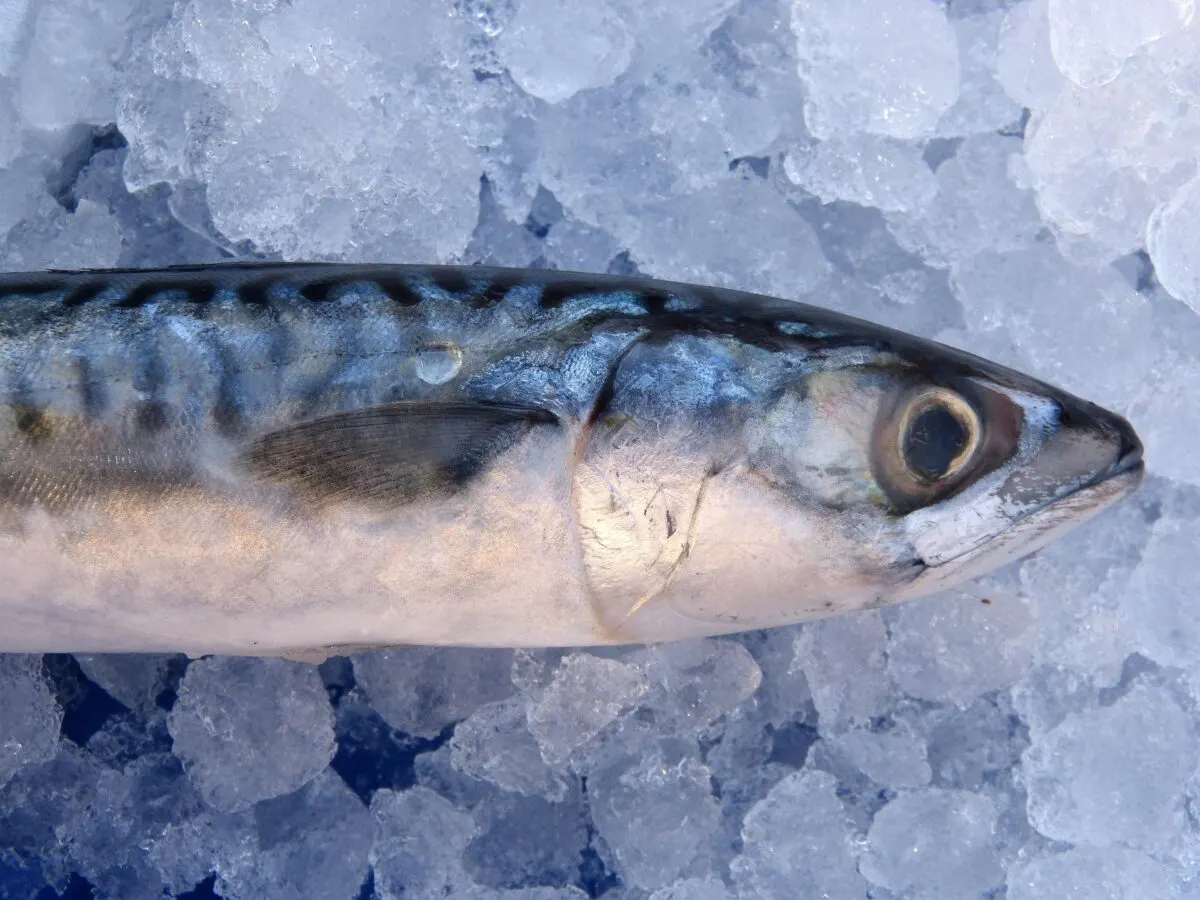
Oily fish such as mackerel, salmon and tuna are rich in the omega-3 fatty acids EPA and DHA. These nutrients can help lower blood cholesterol and triglyceride levels, support healthy blood pressure and reduce the formation of clots in the blood vessels, making them beneficial for cardiovascular health.
Omega-3s may also help raise levels of HDL, or good cholesterol, which helps transport fats out of the bloodstream.
In one study that followed around 160,000 adults aged 37 to 73 for 10 years, the group that took omega-3 supplements over the long term showed a noticeably lower risk of developing type 2 diabetes.
How can you include it in your diet?
A practical approach is to eat mackerel or salmon two or three times a week, grilled or braised.
Larger fish such as tuna can contain higher levels of mercury, so it is best to stick to recommended amounts. Frying can also add unnecessary fat, making grilling or steaming the better choices for vascular health.
2. Garlic
What are the benefits?
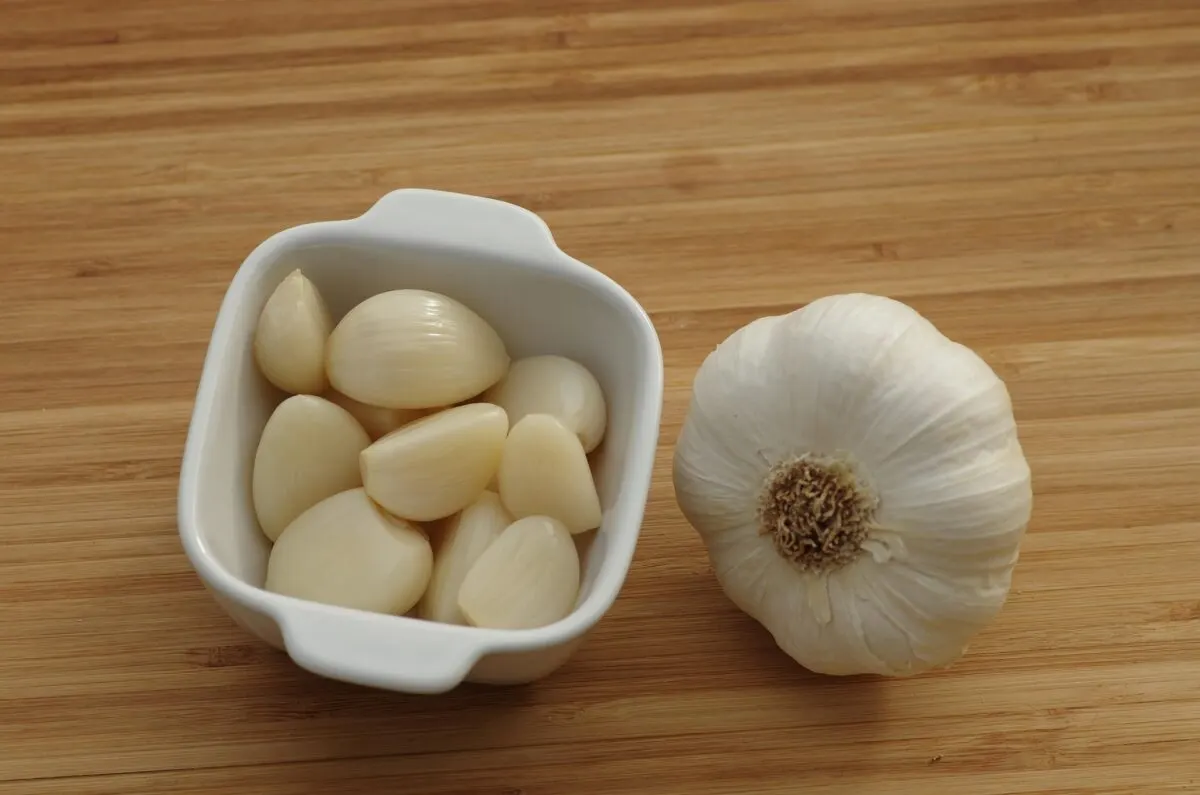
Allicin, the compound responsible for garlic’s distinctive sharp taste and aroma, is so closely associated with vascular health that garlic is sometimes described as a natural blood-vessel cleanser.
Allicin can help lower cholesterol, inhibit clot formation and reduce the stiffening of blood vessels, which may also help lower blood pressure.
Researchers at the University of Exeter in the UK analyzed garlic’s effects in patients with high cholesterol and found that garlic consumption lowered total cholesterol levels.
How can you include it in your diet?
One of the simplest ways to use garlic is to serve it alongside meat. It may help limit the buildup of saturated fat and cholesterol from meat in the blood vessels.
Raw or minced garlic added toward the end of cooking is generally considered a better way to preserve more of its allicin than fully cooking it.
3. Onions
What are the benefits?
Onions are rich in flavonoid antioxidants, which can help widen arteries and veins, support circulation and reduce inflammatory responses in the blood vessels.
Quercetin, found in particularly high concentrations in onion skins, may help improve blood flow and reduce the risk of clots.
Onions are also rich in inulin, a soluble fiber that supports digestion and has been linked to lower cholesterol levels.
Research published in academic journals has also found that onions may help inhibit inflammatory responses associated with high blood sugar.
How can you include it in your diet?
Add onions to soups, stews and stir-fries, or slice them thinly and serve them raw in a salad.
As with garlic, serving onions alongside meat may help limit the buildup of saturated fat. Adding onions when eating pork belly or other grilled meats can therefore become a practical everyday habit.
4. Oats (Oatmeal)
What are the benefits?
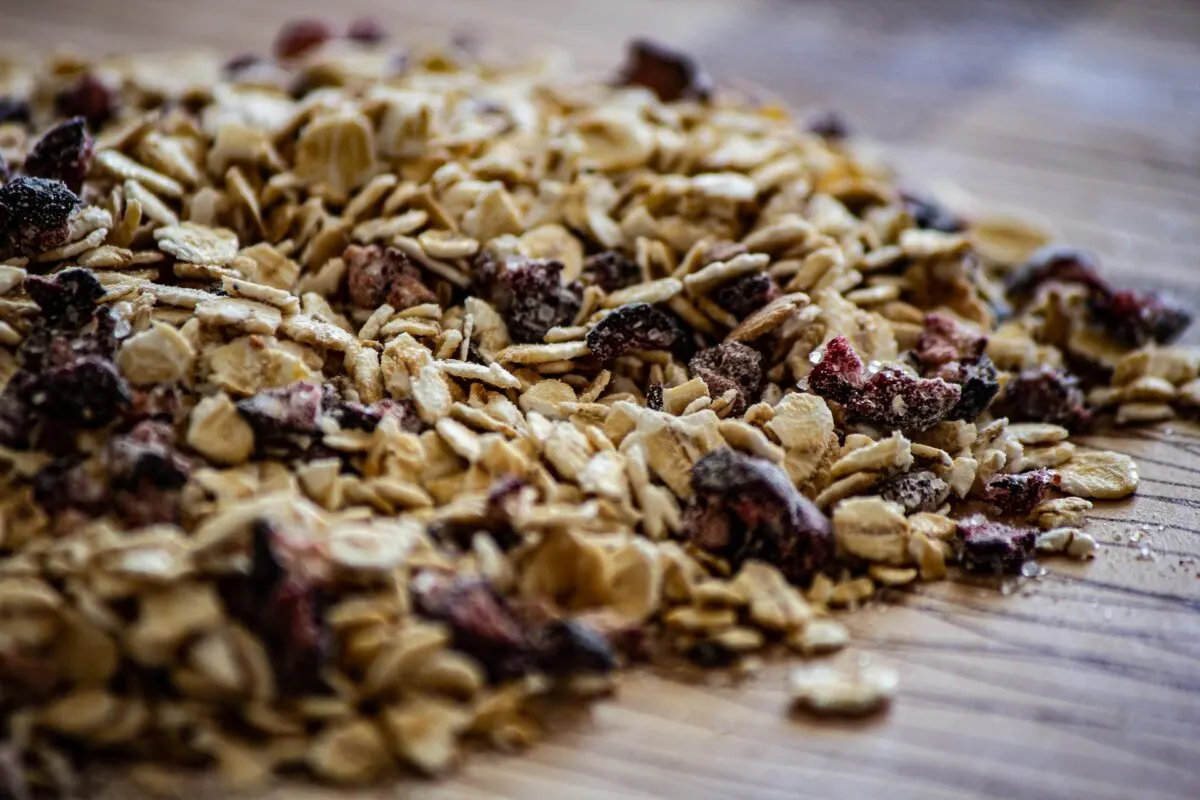
Oats are rich in beta-glucan, a type of soluble dietary fiber.
In the digestive tract, beta-glucan forms a gel that binds to bile acids and carries them out of the body. This process can lower levels of LDL, or bad cholesterol, while helping maintain HDL, or good cholesterol.
A study published in an international academic journal found that people who consumed 3 grams of beta-glucan a day experienced a significant reduction in LDL cholesterol.
A review of 14 clinical trials involving 615 people, conducted at the University of Toronto in Canada, likewise found that oat-derived beta-glucan can help lower LDL cholesterol.
Some studies have found that consistent consumption may reduce LDL levels by 5 to 10 percent within a few weeks.
How can you include it in your diet?
A realistic place to start is by mixing a small amount of oats into white rice.
Oatmeal soaked in milk or water also makes a good breakfast. Experts emphasize, however, that while oats can clearly help with cholesterol management, they are not a complete solution on their own.
To sustain the benefits, you also need to reduce saturated fat and exercise regularly.
5. Nuts (Walnuts, Almonds and Pistachios)
What are the benefits?
Nuts such as walnuts, almonds and pistachios are rich in unsaturated fats, dietary fiber and antioxidant nutrients such as vitamin E. They can help lower LDL, or bad cholesterol, and reduce the risk of cardiovascular disease.
A comparison of diets containing various nuts by a Korean research team found that pistachios and walnuts were particularly effective at lowering triglycerides and bad cholesterol. Contrary to concerns, the diets did not lead to weight gain.
The researchers nevertheless stressed that the improvement in blood lipid levels associated with nuts is generally modest—around 3 to 10 percent—and that nuts cannot replace prescription cholesterol-lowering drugs such as statins.
How can you include it in your diet?
Because nuts are relatively high in calories, a small handful—roughly 20 to 30 grams—makes an appropriate snack.
For vascular health, choose unsalted and unsweetened nuts rather than products coated with salt or sugar.
Nuts can be part of an everyday routine that supports cardiovascular disease prevention. If you have already been diagnosed with high cholesterol or are taking medication, however, consult a healthcare professional before making major dietary changes.
6. Tomatoes
What are the benefits?
Lycopene, the compound that gives tomatoes their red color, is a powerful antioxidant. It helps prevent bad cholesterol from oxidizing in the body and clears reactive oxygen species, which may help protect against atherosclerosis.
Tomatoes may also support healthy circulation, while rutin, another compound they contain, can help lower blood pressure and strengthen the walls of blood vessels.
How can you include it in your diet?
Lycopene is absorbed more efficiently when tomatoes are cooked with oil. Rather than eating them only raw, try sautéing or cooking them with a little olive oil.
Cherry tomatoes make a convenient snack, but adding cooked tomatoes in pasta sauces or soups can also help increase lycopene intake.
7. Natto and Cheonggukjang
What are the benefits?
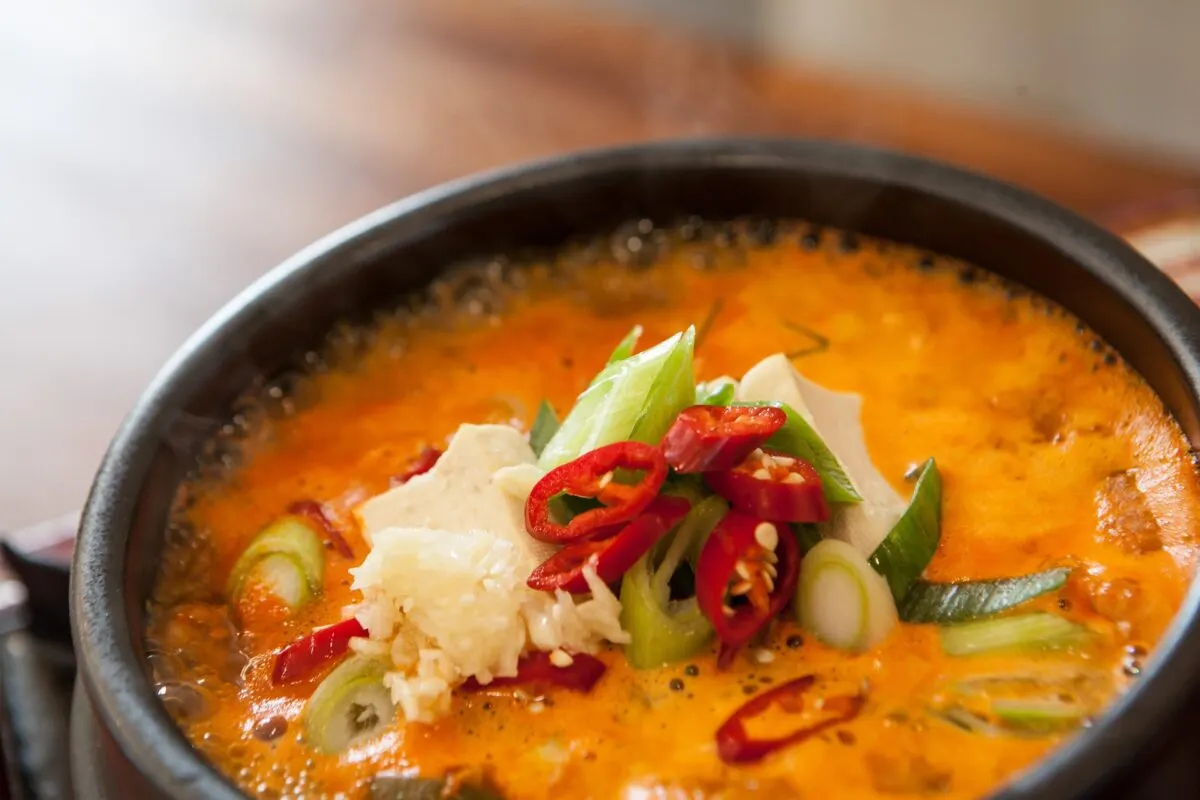
Natto and cheonggukjang, both made by fermenting soybeans, contain an enzyme called nattokinase.
This enzyme is believed to help break down fibrin, the main component of blood clots, while also supporting the production of the body’s clot-dissolving enzymes urokinase and plasmin.
Blood clots are masses of coagulated blood that form inside blood vessels and interfere with circulation. Nattokinase may help dissolve these clots and improve blood flow.
Nattokinase is not as powerful as urokinase, a clot-busting drug used to treat cerebral infarction and myocardial infarction, but it is considered less likely to cause side effects and is easy to consume as part of an everyday diet.
Bacillus subtilis, the bacterium involved in fermenting cheonggukjang, is also believed to suppress harmful substances in the gut and help dissolve blood clots.
How can you include it in your diet?
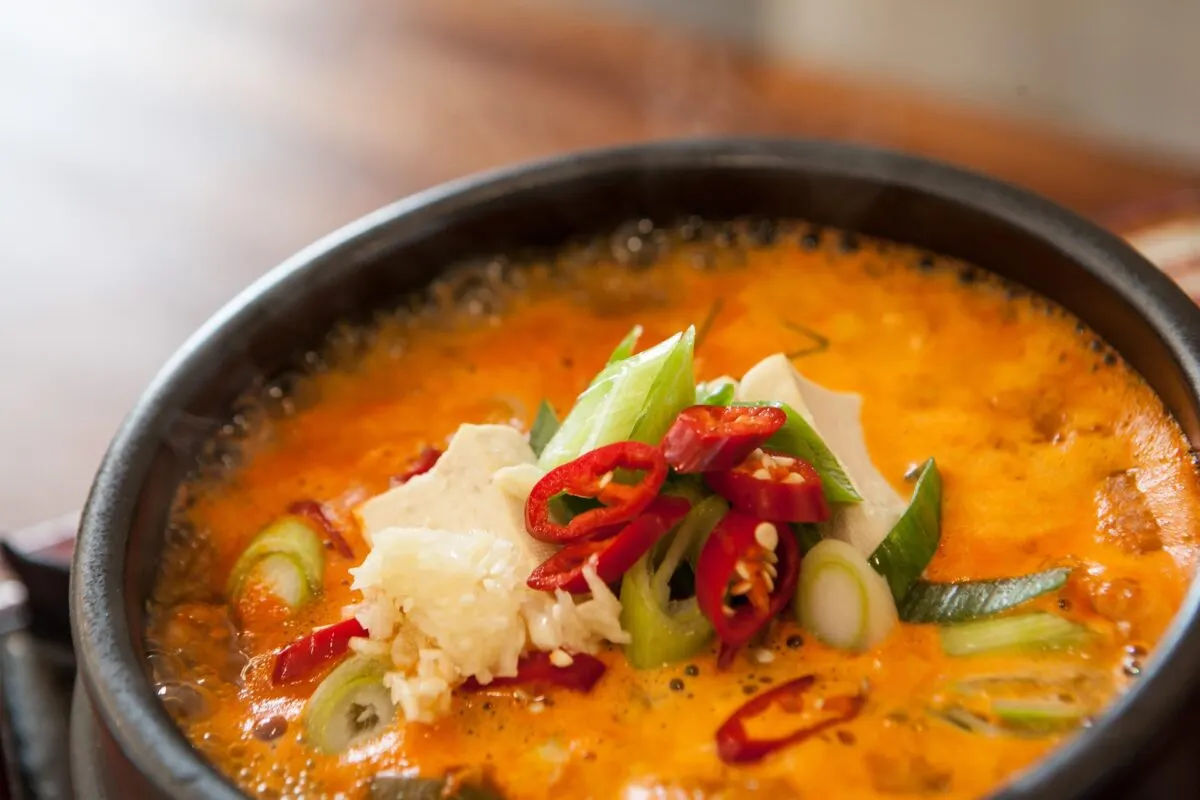
Natto is commonly mixed with rice and eaten as is, often with a soy-based sauce. Cheonggukjang is most often eaten as a stew.
Nattokinase may increase the risk of bleeding in people taking anticoagulants or antiplatelet drugs. Caution is also necessary before surgery or in cases of low blood pressure.
If you are considering taking a separate nattokinase supplement, consult a healthcare professional first to make sure it will not interact with any medications you are taking.
Seven Foods, One Common Goal
Oily fish, garlic, onions, oats, nuts, tomatoes, natto and cheonggukjang work through different nutrients and mechanisms, but they all point in the same general direction: lowering bad cholesterol and triglycerides, limiting clot formation and helping keep blood vessels flexible.
Still, eating one of these foods as though it were a miracle cure will not produce dramatic results. Studies generally find that the improvements in blood lipid levels achieved through diet are modest. If you have already been diagnosed with high cholesterol or cardiovascular disease, dietary changes cannot replace medication.
The most practical approach is to incorporate these foods naturally into your regular meals while also building habits that reduce saturated fat and include regular exercise.
If your health-screening results have changed, the more fundamental solution is to review your overall eating habits and lifestyle rather than relying on any single food.
Frequently Asked Questions (FAQ)
Q1. If I eat these foods, can I stop taking my cholesterol medication?
No. As studies on nuts have shown, the improvement in blood lipid levels achieved through food is generally modest, usually around 3 to 10 percent. If you have been diagnosed with high cholesterol and are taking medication, do not stop on your own. It is safest to discuss dietary changes with your doctor and make them alongside your prescribed treatment.
Q2. Which is better for preventing blood clots, natto or cheonggukjang?
Both are fermented soybean foods, but natto is fermented with a specific natto bacterium, so its nattokinase content is relatively consistent and it has been more extensively studied. Cheonggukjang is fermented by several types of bacteria, and the clot-dissolving effects of Bacillus subtilis have also been reported. Rather than one being definitively superior, the more important choice is the one you enjoy enough to eat consistently.
Q3. Do garlic and onions retain their benefits when cooked?
Heating can reduce the activity of some compounds. If you want to preserve as much allicin as possible, eating garlic raw or adding it near the end of cooking may be preferable. Still, consistently eating cooked garlic and onions is more useful in practice than avoiding them altogether, so making them a regular part of your diet matters more than becoming overly focused on one cooking method.
Q4. How many nuts should I eat each day?
A small handful—roughly 20 to 30 grams—is generally recommended. Nuts are rich in healthy fats but also relatively high in calories, so eating too many can lead to weight gain. Choose unsalted or unsweetened products and portion them out in advance.
Q5. Is there anything besides food I should focus on for blood health?
Yes. Even a healthy diet can have limited impact if you regularly eat greasy or heavily seasoned foods and get little exercise. Regular aerobic activity, not smoking, maintaining a healthy weight and cutting back on spicy and salty foods all support better vascular health. Regular health screenings to monitor cholesterol and triglyceride levels are also important.